
Beautiful Plants For Your Interior
Beautiful Plants For Your Interior
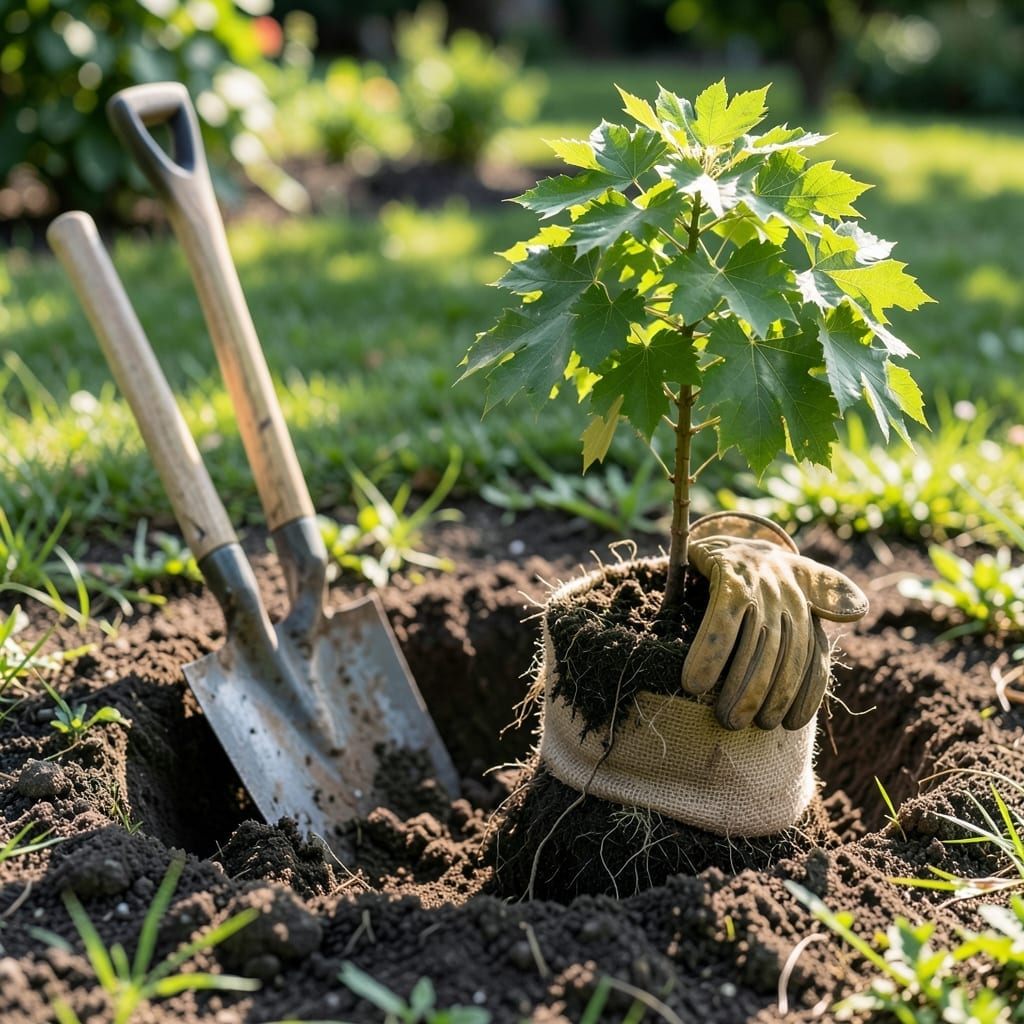
A root ball is the mass of soil and roots that holds a plant together when dug up, preserving most of its underground structure for successful transplanting.
I think of it as nature’s way of keeping a plant’s foundation intact during big moves. This soil-root cluster acts like a protective cocoon, shielding delicate roots from damage and transplant shock. Gardeners rely on this for everything from relocating shrubs to repotting houseplants, as it maintains the moisture balance roots need to thrive in new environments. 💫
💡 In This Article
The soil-root matrix acts as a natural shock absorber during relocation. The roots remain embedded in familiar soil, which maintains their mycorrhizal fungi relationships—microscopic partners that help plants absorb water and nutrients. This connection prevents root desiccation and damage that occurs when exposed to air. 🌟
Moisture retention is another critical function. A well-formed root ball can hold 30-50% of its weight in water, acting like a portable reservoir. This is especially vital for plants with fine root systems, like azaleas or Japanese maples, which can’t tolerate dry conditions for more than 2-3 hours during transplanting.
Scientifically, the root ball preserves the rhizosphere—the soil zone directly influenced by root secretions. This area contains beneficial bacteria that produce growth hormones and protect against pathogens. Without this intact zone, plants lose up to 70% of their nutrient-absorbing capacity temporarily. ✨
Temperature regulation also plays a role. The soil mass insulates roots from sudden temperature swings during transport. For tropical plants, this means protection from cold shocks below 50°F, while for temperate species, it prevents heat stress above 85°F. The soil’s thermal mass absorbs and releases heat slowly.
In practice, a good root ball should maintain its shape when gently squeezed, indicating proper soil cohesion. This physical integrity prevents root tearing, which can take 2-4 weeks to heal. The ideal size typically matches the plant’s canopy spread—about 12-18 inches wide for a 3-foot tall shrub. 💫
It protects delicate roots from air exposure and damage during transplanting. An intact ball maintains the rhizosphere and mycorrhizal fungi, which are vital for nutrient absorption and plant health.
The ideal size matches the plant’s canopy spread—about 12-18 inches wide for a 3-foot tall shrub. This ensures enough roots and soil are preserved to minimize transplant shock.
Yes, roots can dry out in as little as 30 minutes if exposed. Always keep the ball wrapped in burlap or a container, and avoid leaving it in direct sun or wind.
Broken root balls expose roots to air, increasing the risk of desiccation and damage. This can delay recovery by 2-4 weeks and reduce the plant’s ability to absorb nutrients.