
Beautiful Plants For Your Interior
Beautiful Plants For Your Interior
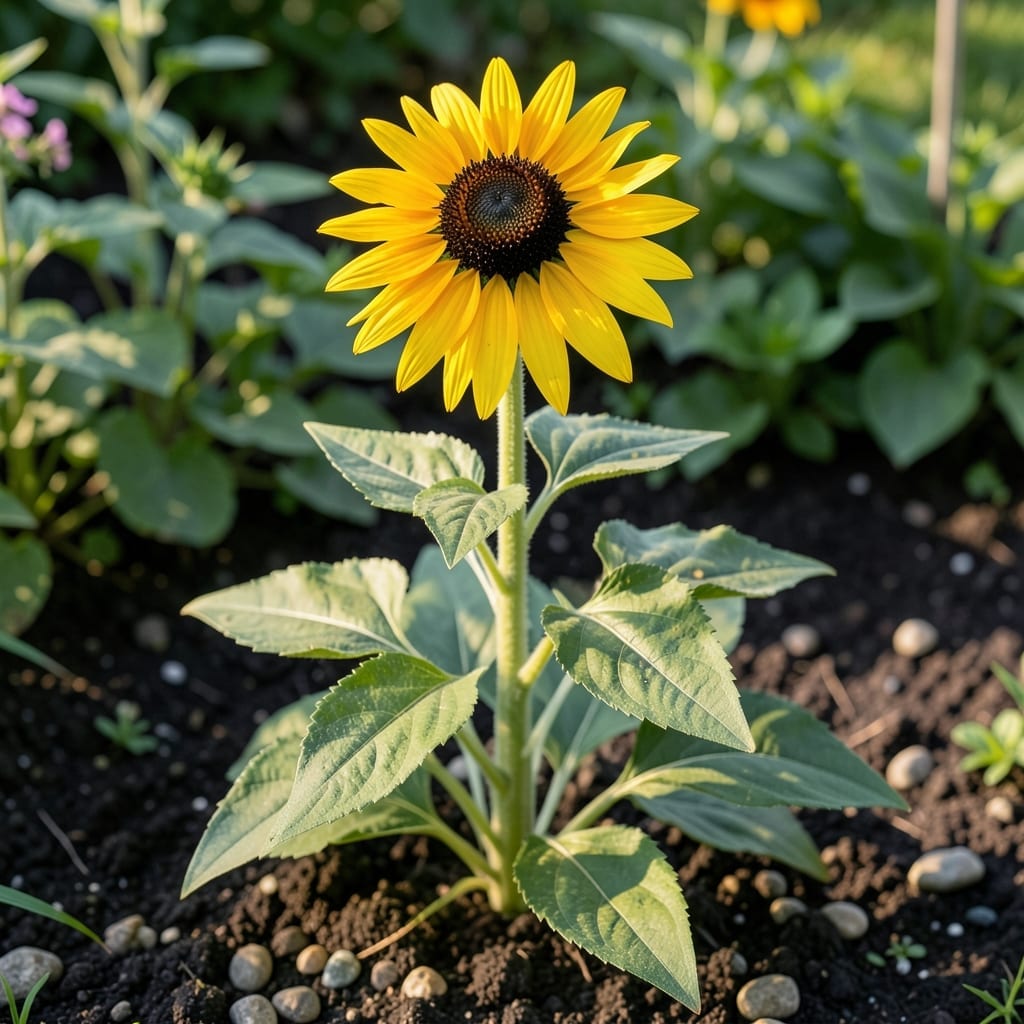
A perennial is a plant that lives for more than two years, regrowing each spring from the same root system after dying back in winter.
What fascinates me most is how these plants adapt to survive harsh conditions. Root systems store energy during dormancy, allowing them to bounce back when warmth returns. In my garden, I’ve seen coneflowers and hostas disappear in frost, only to reappear stronger the next season. ✨
This resilience makes them ideal for low-maintenance landscaping. 💫
💡 In This Article
The secret lies in their underground storage organs. Perennials develop extensive root systems, rhizomes, or tubers that act as energy reservoirs during dormancy. These structures store carbohydrates, proteins, and nutrients accumulated during the growing season, sustaining life when aboveground growth dies back. 🔥
Dormancy triggers when temperatures drop below 50°F and daylight shortens. The plant redirects energy downward, with some species like peonies storing enough resources in their crowns to produce blooms the following spring. This survival strategy allows them to conserve energy rather than expend it on maintaining leaves during harsh conditions.
What most gardeners don’t realize is that perennials often have deeper root systems than annuals. This gives them better access to water and nutrients, plus increased stability during extreme weather. Some, like asparagus, develop roots that can extend 10-15 feet deep, creating an extensive underground network that supports regrowth for decades. ✨
Hormonal changes also play a crucial role. As days shorten, plants increase production of abscisic acid, which helps close stomata and slow growth. Meanwhile, growth hormones like auxins decrease, shifting the plant’s focus from aboveground expansion to root development and energy storage. This precise hormonal dance ensures they survive winter and return stronger. 💫
Different perennials employ variations of this strategy. Herbaceous types like hostas die back completely to the ground, while woody perennials (shrubs) maintain some structure. Both rely on the same principle: preserving the root system while sacrificing less critical parts when conditions become unfavorable.
Annuals complete their life cycle in one growing season, while perennials return for multiple years. Annuals die after producing seeds, but perennials regrow from their root system each spring.
Yes, most perennials enter dormancy below 50°F and survive freezing by storing energy underground. Their aboveground parts may die back, but roots stay alive to regrow in spring.
Many perennials thrive for 3-5 years, but some like peonies or asparagus can live decades with proper care. Their lifespan depends on species, climate, and growing conditions.
Most do, but some take 1-2 years to establish before flowering. Others may skip a year if stressed by drought or poor soil. Consistent care ensures reliable blooms.