
Beautiful Plants For Your Interior
Beautiful Plants For Your Interior
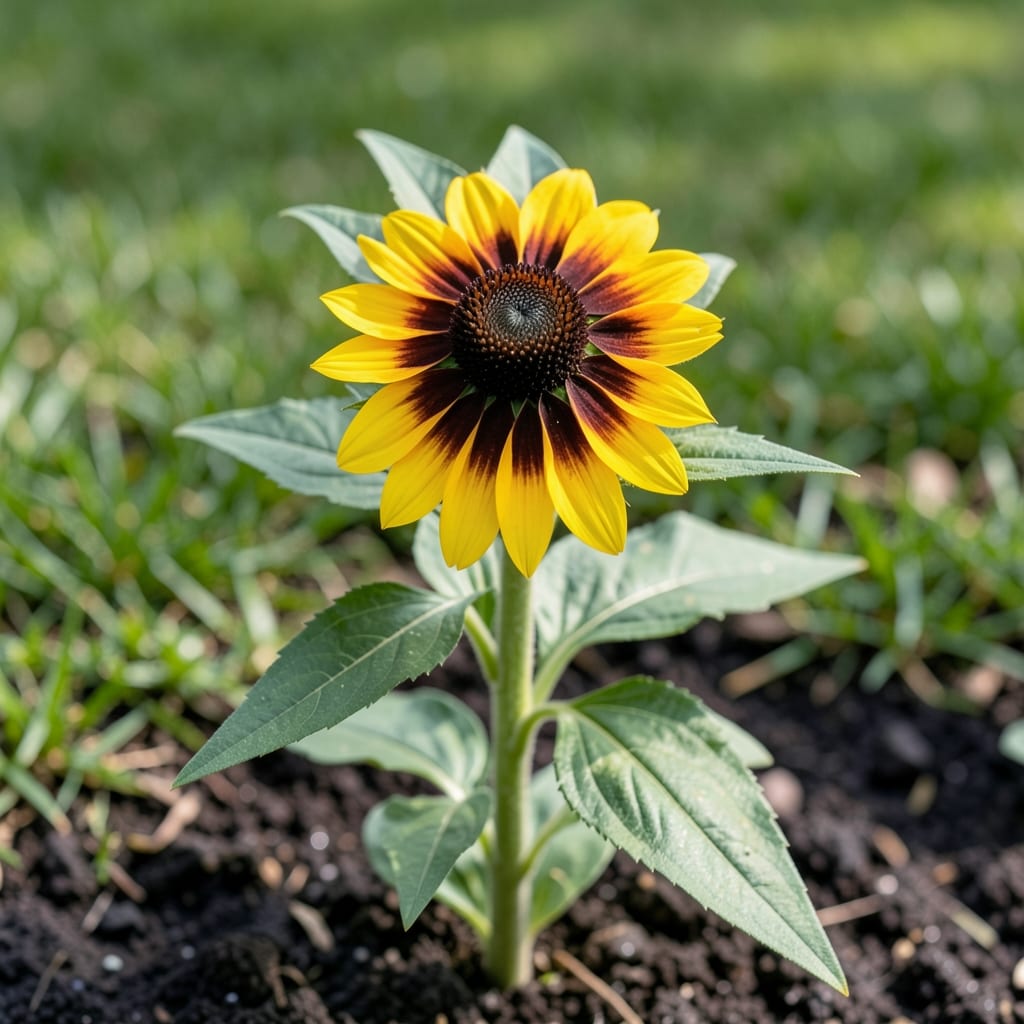
A perennial is a plant that lives for more than two years, regrowing each spring from its existing root system after dying back in winter.
I’ve always been fascinated by how these plants seem to defy time—unlike annuals, they store energy in their roots or tubers during colder months. This hidden survival strategy allows them to bounce back with new growth when conditions improve. What’s even more remarkable is their ability to adapt across diverse climates, from sun-drenched meadows to shaded forest floors. ✨
💡 In This Article
The secret lies in their underground storage systems. Perennials develop extensive root networks, rhizomes, or tubers that store carbohydrates and nutrients during their growing season. These reserves fuel regrowth when temperatures rise above 40°F in spring, triggering bud break from dormant crowns.
Some species, like asparagus, store energy in thick, fleshy roots that can reach depths of 4-6 feet. 🌟
Dormancy is a carefully timed survival strategy. As days shorten and temperatures drop below 50°F, perennials shift energy from foliage to their root systems.
The aboveground portions die back, but the crown remains alive just below the soil surface, protected from freezing temperatures by a natural antifreeze effect created by soluble sugars and proteins in the plant’s cells.
What’s happening beneath the soil is even more fascinating. The root systems of established perennials can spread 2-3 times wider than the plant’s foliage. This extensive network not only stores energy but also absorbs water and nutrients more efficiently than annuals.
Some perennials, like hostas, develop such robust root systems that they can survive for decades in the same location. ⚡
Environmental cues play a crucial role in this cycle. Perennials respond to photoperiod (day length) changes, with many requiring a period of cold dormancy (called vernalization) before they can flower.
This explains why some perennials won’t bloom in their first year if planted too late in the season – they need that cold period to trigger their reproductive cycle.
This survival mechanism offers distinct advantages. Unlike annuals that must grow from seed each year, perennials invest their energy in establishing strong root systems first. This allows them to outcompete other plants for resources and recover quickly from disturbances like drought or grazing. The trade-off is often slower initial growth compared to annuals. ✨
Many live 5-10 years or more with proper care. Some, like peonies or hostas, can thrive for decades in the right conditions.
Most need minimal protection. In harsh climates, add 2-3 inches of mulch after the ground freezes to insulate roots. Avoid pruning until spring.
Yes, but choose cold-hardy varieties and ensure pots have drainage. Move containers to sheltered spots when temperatures drop below 20°F.
Many focus on root establishment first. They often need a cold period (vernalization) to trigger flowering, which may not happen until their second year.
Every 3-5 years keeps them vigorous. Split overcrowded clumps in early spring or fall when the soil is cool.