
Beautiful Plants For Your Interior
Beautiful Plants For Your Interior
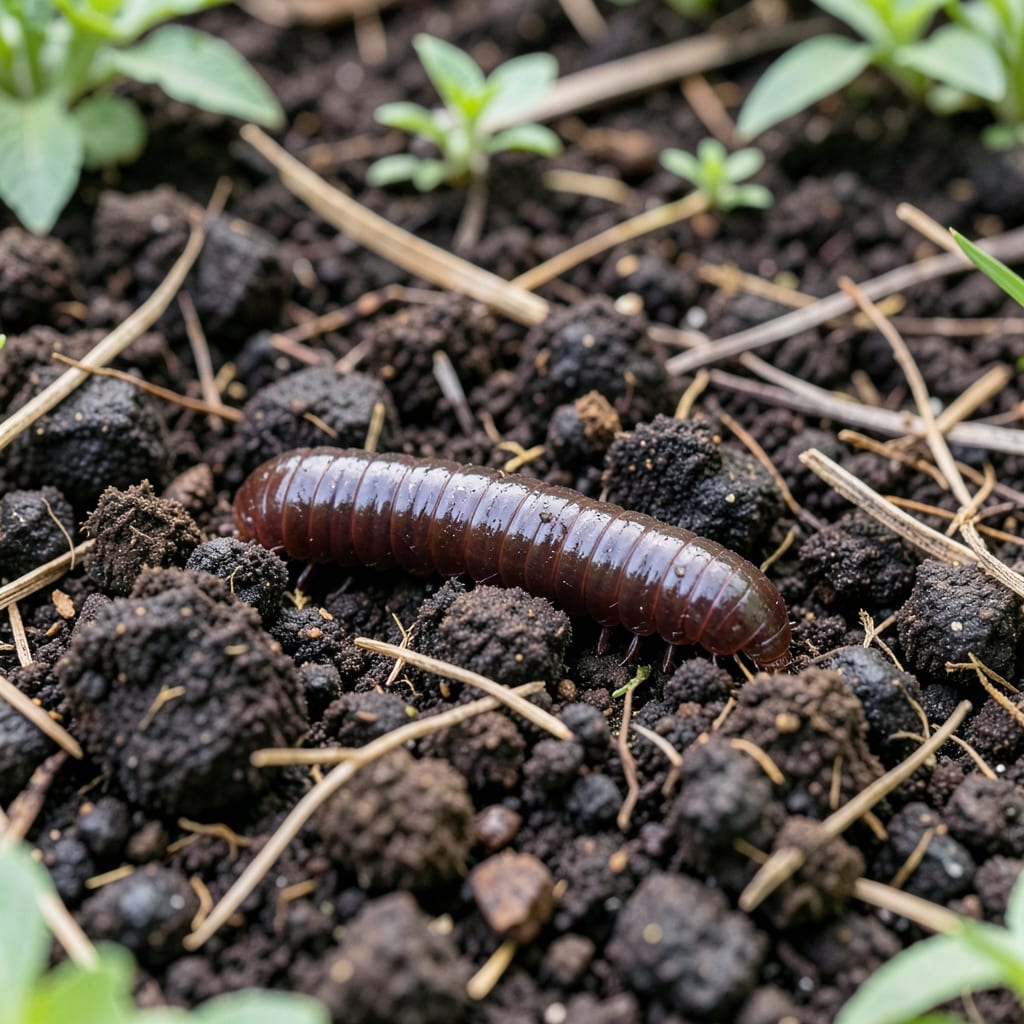
A nightcrawler is a large, deep-burrowing earthworm species known for its reddish-brown color and significant role in aerating soil and improving garden fertility.
I’ve seen firsthand how these powerhouse worms transform compacted dirt into rich, workable earth. Their burrows create channels that let air, water, and nutrients reach plant roots more effectively. 🔥 Gardeners prize them for boosting organic matter as they digest and excrete soil, leaving behind nutrient-packed castings. They thrive in cool, moist environments, often surfacing after rain to avoid drowning in their tunnels.
💡 In This Article
These worms create vertical burrows up to 6 feet deep, acting like natural tillers. Their movement loosens compacted soil, allowing roots to penetrate deeper and access more nutrients. The tunnels also improve drainage, preventing waterlogging that can suffocate plant roots. 🔥
Nightcrawlers consume soil and organic matter, processing it through their digestive systems. They excrete nutrient-rich castings that contain 5x more nitrogen, 7x more phosphorus, and 11x more potassium than the surrounding soil. These castings act as slow-release fertilizer, providing plants with steady nourishment.
Their burrowing brings subsoil to the surface, mixing nutrient layers. This natural churning enhances soil structure and microbial activity. Gardeners notice 20-30% better plant growth in areas with active nightcrawler populations compared to worm-free zones. ✨
The worms’ mucus secretions contain growth-promoting substances. These compounds stimulate root development and help plants resist diseases. Their constant movement also distributes beneficial microbes throughout the soil profile, creating a more balanced ecosystem. 💫
One nightcrawler can process up to 10 tons of soil per acre annually. This incredible turnover rate means they’re constantly renewing the earth’s fertility. Their presence indicates healthy soil, as they’re sensitive to pollutants and poor conditions. 🌟
They’re large earthworms, typically 6-12 inches long with a reddish-brown, segmented body. Their smooth, glossy skin helps them move through soil. You’ll often spot them on sidewalks after rain.
Nightcrawlers surface to find food and mates while avoiding daytime predators. The cooler, moist night air also prevents them from drying out. Their light sensitivity keeps them underground during the day.
In ideal conditions, they can live 2-6 years. Their lifespan depends on soil quality, moisture, and temperature. They grow slowly, reaching maturity in about 1 year.
Their large size and wriggling motion make them excellent live bait. Many anglers consider them the best bait for catching catfish, bass, and trout. Keep them in cool, moist conditions until use.