
Beautiful Plants For Your Interior
Beautiful Plants For Your Interior
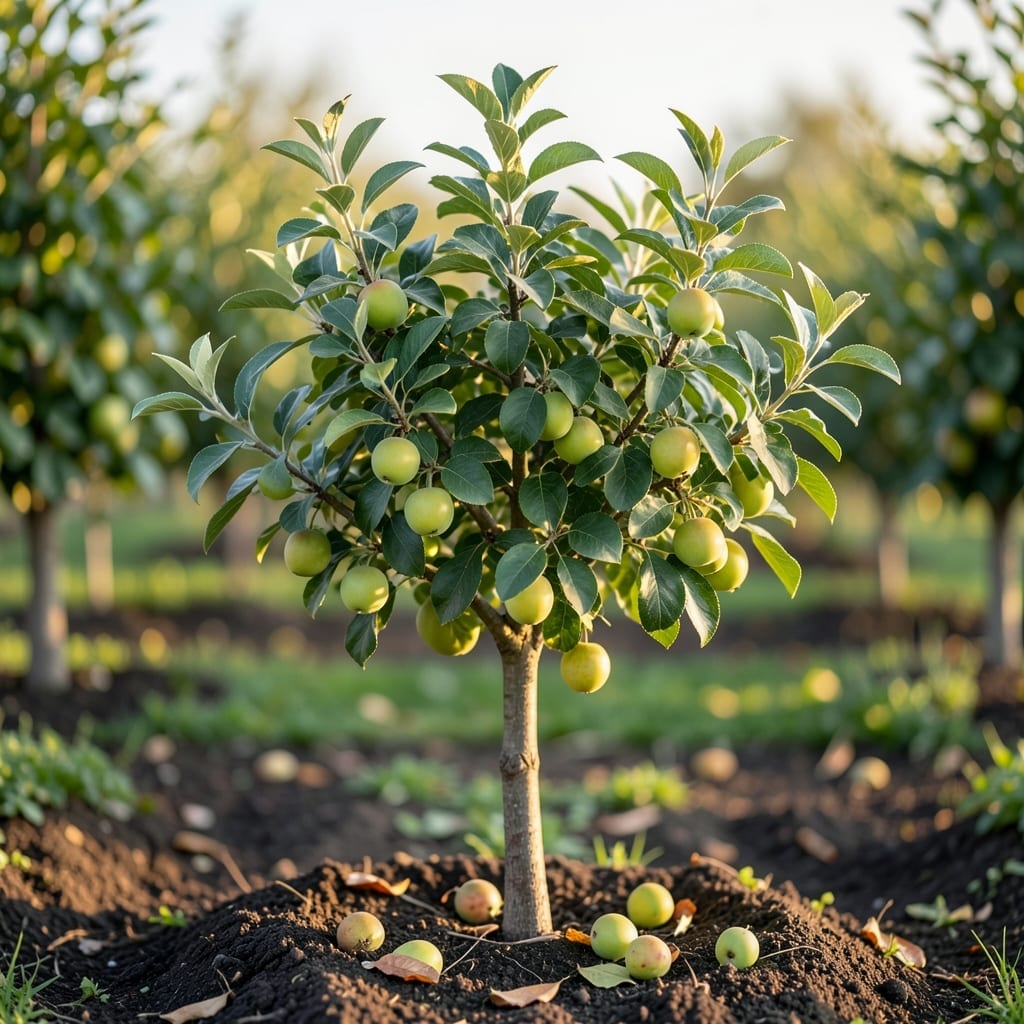
A greengage is a small, sweet, green or yellow plum variety with smooth skin and rich, honey-like flavor, prized for fresh eating, jams, and desserts.
I’ve found these plums stand out because they’re sweeter than most varieties, with a complex taste that works beautifully in both savory and sweet dishes. 🌟 Their firm yet juicy texture makes them ideal for baking, as they hold their shape better than softer stone fruits. Gardeners love them for their reliability and how they thrive in temperate climates with well-drained soil.
💡 In This Article
The greengage belongs to the Prunus domestica species, part of the rose family, and traces its origins to 18th-century England. Unlike tart damson plums, greengages were selectively bred for exceptional sweetness, achieving 15-18% sugar content compared to standard plums at 9-12%. This natural sweetness comes from higher fructose levels, giving it that signature honeyed taste.
🔥
Physically, these plums are small, typically 1-2 inches in diameter, with a round or slightly oval shape. Their skin is notably smooth and thin, ranging from pale green to golden yellow when ripe. The flesh is dense yet tender, with a texture that’s firmer than most plums but still juicy.
This unique combination makes them perfect for preserving whole in syrups. ✨
What sets greengages apart is their low acidity (0.3-0.5% titratable acid vs 0.9-1.4% in standard plums). This chemical balance means they don’t require added sugar for jams, allowing their natural flavor to shine. The stones are also smaller relative to fruit size, yielding about 85% edible portion compared to 70-75% in common varieties. 💫
The trees themselves are hardy to USDA zones 5-8, growing 10-15 feet tall with a spreading habit. They bear fruit on 2-3 year old wood, producing reliable crops even in cooler summers. Their leaves are slightly larger than other plum varieties, with a distinctive glossy finish that helps identify the species.
This flavor profile develops because greengages ripen 2-3 weeks later than standard plums. The extended growing season allows more sugar accumulation while maintaining that perfect acid-sweet balance. Their later harvest window (typically late August to September) also means they avoid many early-season pests that trouble other stone fruits. ⚡
They have 15-18% sugar content and 0.3-0.5% acidity, making them far sweeter and less tart than standard varieties. Their smooth, thin skin and dense yet tender flesh also set them apart.
Yes, but choose dwarf varieties and use a large container with well-draining soil. Ensure it gets full sun and consistent watering, as container-grown trees dry out faster.
Look for a golden-yellow color and slight softness when gently pressed. They should also have a sweet aroma at the stem end.
Keep them at room temperature until fully ripe, then refrigerate in a single layer for up to 1 week. Avoid stacking to prevent bruising.