
Beautiful Plants For Your Interior
Beautiful Plants For Your Interior
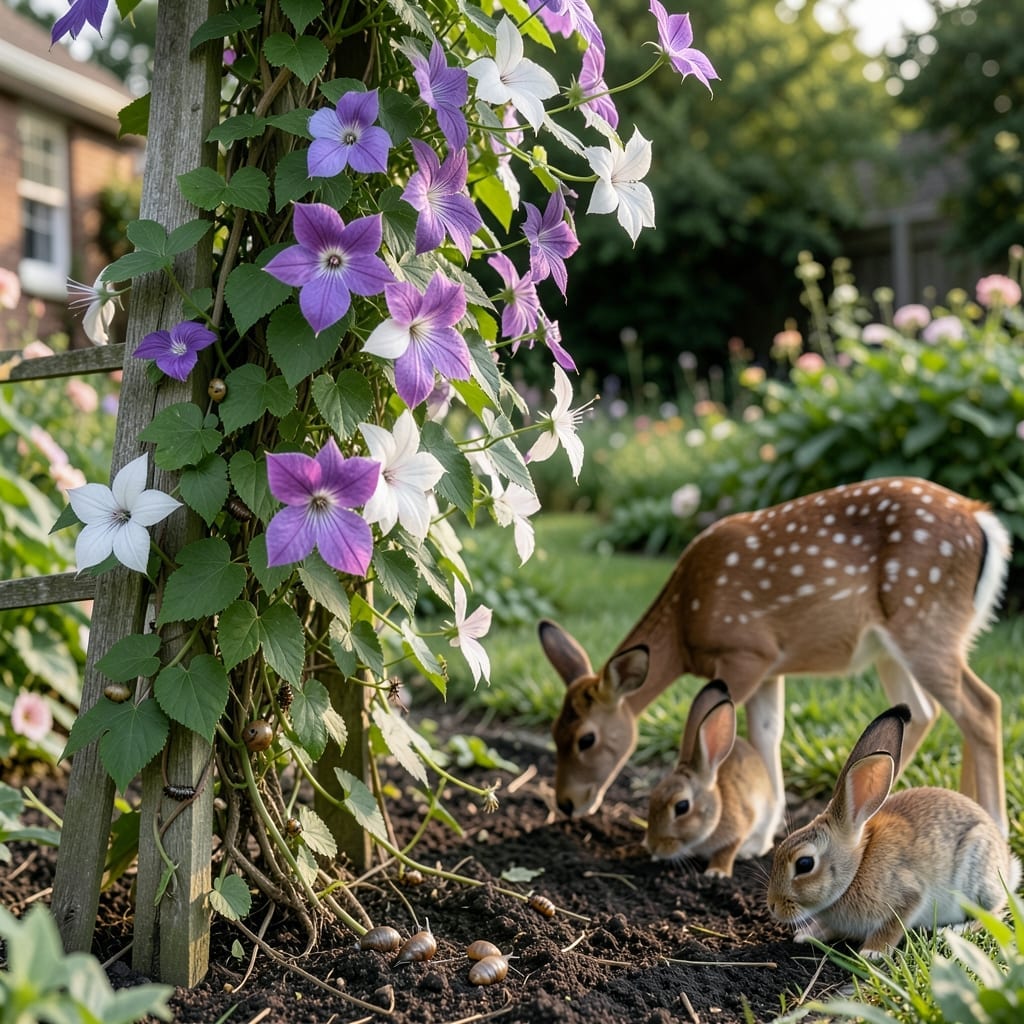
I lost my first clematis to deer in a single night. These plants attract more than just admiring looks—rabbits, slugs, and even squirrels see them as a buffet. The damage is heartbreaking: stripped vines, chewed leaves, and stunted growth.
Here’s the thing—prevention beats cure. A 4-foot fence stops rabbits, while netting deters deer. Slugs need a different approach, like beer traps or copper tape around the base.
I’ll be real with you: some damage is inevitable. But with the right barriers and vigilance, you can keep most pests at bay. The key is acting before they discover your clematis.
Your vines will thank you with vibrant blooms all season long. Let’s protect what you’ve worked so hard to grow.
Clematis are a favorite in many gardens, but their lush foliage and tender stems attract a variety of hungry pests. Understanding why this happens is the first step in protecting your plants. Below are the most common causes, broken down by the culprits and their motivations.
Many insects target clematis because of its high moisture content and soft tissues, which are easy to chew and digest. Japanese beetles, for example, are drawn to the leaves for their sugars and water, while aphids pierce the stems to suck out sap. Earwigs and slugs also feed on clematis, often at night, leaving irregular holes or chewed edges. These pests thrive in gardens with overwatered soil or excessive mulch, which creates a damp, inviting environment.
Deer and rabbits are notorious for munching on clematis, especially young shoots and leaves. This happens most often in rural or semi-rural areas where wildlife populations are high and natural food sources are scarce. Clematis’ tender new growth is particularly appealing in early spring when other vegetation is limited. Fencing or repellents are often necessary to deter these larger pests.
While not “eating” in the traditional sense, fungal pathogens like Clematis wilt (caused by Ascochyta clematidina) can weaken the plant, making it more susceptible to insect damage. Stressed or damaged clematis—from poor drainage, overcrowding, or improper pruning—are prime targets. Healthy plants with good air circulation and proper care are less likely to fall victim.
If your clematis is under attack, don’t panic—there are effective, natural ways to restore its health and keep pests at bay. Below are targeted solutions for the most common culprits, along with prevention tips to keep your vines thriving. 🌿
These slimy invaders love munching on tender clematis leaves and stems, especially in damp conditions.
These tiny sap-suckers cluster on new growth, causing curled or yellowing leaves.
Larger pests like deer and rabbits can devour clematis leaves and stems overnight.
These minuscule pests thrive in hot, dry weather, causing stippled or bronzed foliage.
💡 Pro Tip: Regularly inspect your clematis for early signs of trouble—catching pests early makes control much easier!
Deer and rabbits are the top offenders, often eating young shoots and leaves overnight. 8-foot fencing stops deer, while chicken wire cloches protect from rabbits.
Look for irregular holes in leaves and a slimy trail on stems. Set up beer traps or use copper tape to keep them away.
Yes, spider mites thrive in hot, dry conditions, causing bronzed foliage. Spray with neem oil or water to dislodge them.
Plant lavender or rosemary nearby to deter deer. Dill and yarrow attract beneficial insects that eat aphids.