
Beautiful Plants For Your Interior
Beautiful Plants For Your Interior
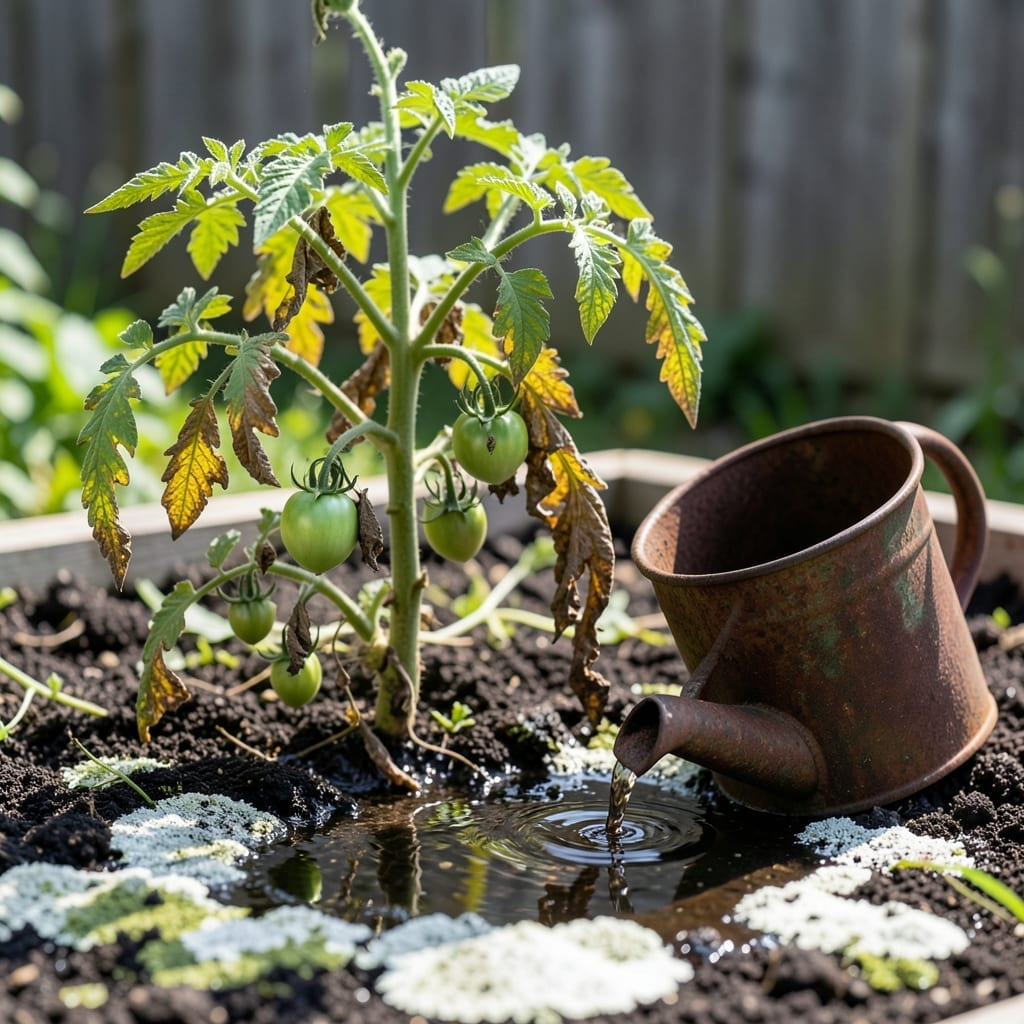
Yellow leaves and drooping stems scream “too much love” from your watering can. I’ve drowned more plants with kindness than neglect, and the signs are always the same: mushy stems, blackened roots, and leaves turning yellow like old newspaper.
The worst part? Overwatering mimics underwatering at first—wilting leaves that fool you into watering more. Root rot spreads silently below soil until it’s almost too late. Most houseplants need the top 1-2 inches of soil to dry out between waterings.
Catch it early and recovery is possible. Stop watering immediately, check drainage holes, and let the soil dry out. Trim any black, squishy roots with clean scissors and repot if needed.
Prevention is simpler than the cure. Use pots with drainage, water only when soil feels dry, and remember: most plants die from too much care, not too little.
Overwatering doesn’t always stem from giving plants too much water—it’s often about how and when you water. Here are the most common causes, backed by plant science:
Soil that doesn’t drain well (like heavy clay or compacted mixes) holds excess moisture, suffocating roots. Roots need oxygen to respire, and waterlogged soil blocks air pockets. Solution: Use containers with drainage holes and amend soil with perlite or sand.
Many gardeners water on a rigid schedule (e.g., daily) rather than checking soil moisture. Plants’ water needs vary by species, season, and environment. Science note: Overwatering disrupts osmosis—roots can’t absorb nutrients if they’re constantly soggy.
A pot that’s too large for the plant retains excess water, increasing the risk of root rot. Pro tip: Choose containers just 1–2 inches wider than the root ball to balance growth and drainage.
Plants in shady, humid spots (like bathrooms) dry out slowly. Combine this with frequent watering, and roots drown. Fix: Adjust watering frequency based on light and humidity levels.
Overwatering can be reversed with prompt action. Here’s how to tackle the most common issues and prevent future problems:
If your plant’s leaves are turning yellow, ease up on the water. Let the top 1-2 inches of soil dry out before watering again. For potted plants, ensure the container has drainage holes. Prevention tip: Stick your finger in the soil—if it feels damp, wait a few more days. 💡
Wilting despite wet soil? Your plant may be drowning. Repot it in fresh, well-draining soil and a container with drainage holes. Add perlite or sand to heavy soils. Prevention tip: Use a moisture meter to avoid guesswork. ✨
See white mold or a foul smell? Stop watering immediately and move the plant to a breezy spot. Trim affected roots or leaves with sterilized scissors. For severe cases, repot with fresh soil. Prevention tip: Avoid saucers that trap water under pots. 🌡️
Black, mushy roots mean rot. Trim the damaged roots with clean shears, then repot in dry, sterile soil. Water lightly afterward. Prevention tip: Use terracotta pots—they dry out faster than plastic. 🎯
Consistency is key: Water only when needed, and always check soil moisture first. Your plants will thank you! 🌿
Yellowing leaves signal oxygen deprivation in roots. When soil stays soggy, roots can’t absorb nutrients, causing chlorophyll to break down. This often starts with lower leaves first.
Yes, if caught early. Stop watering, improve drainage, and trim any black roots. Most plants bounce back in 1-2 weeks with proper care.
Test it by watering until it runs out the bottom. If water pools on top or takes over 5 minutes to drain, add perlite or switch pots.
No! Wilting can also mean overwatering. Check soil—if it’s wet and the plant droops, it’s likely drowning. Let it dry out.