
Beautiful Plants For Your Interior
Beautiful Plants For Your Interior
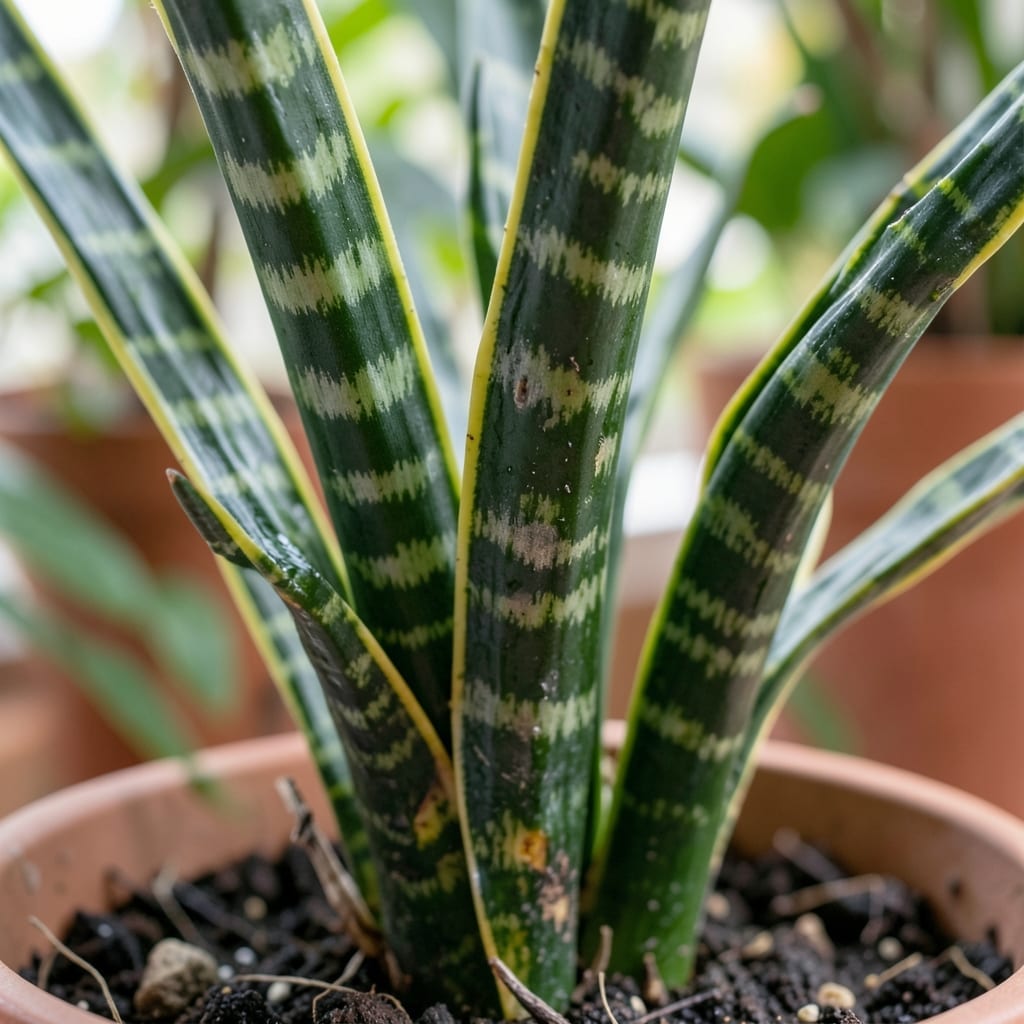
I’ve killed more snake plants with kindness than neglect. Overwatering is the silent assassin of these tough-as-nails houseplants, and the signs are unmistakable once you know what to look for.
Watch for soft, squishy leaves that bend instead of standing tall. Yellowing at the base or mushy brown spots are the next red flags. The plant practically screams for help when the soil stays soggy for days.
Here’s the thing—snake plants thrive on benching. They store water in their thick leaves, so weekly watering often does more harm than good. Let the soil dry completely between drinks.
Catching it early means you can rescue your plant with a simple repotting. Ignore the signs and you’ll be shopping for a replacement.
The roots of a snake plant (Sansevieria trifasciata) are hardwired for survival in arid conditions, storing water in their thick, fleshy rhizomes. When the soil stays soggy, these adaptations backfire, leading to the classic signs of overwatering. Below are the most common causes, each tied to how water disrupts the plant’s natural balance.
Snake plants thrive in well-draining soil and containers with drainage holes. Without these, water pools at the bottom, suffocating the roots and preventing oxygen uptake. This anaerobic environment triggers root rot, as harmful bacteria and fungi (like Phytophthora) multiply in stagnant moisture.
Many plant owners water on a fixed schedule (e.g., weekly) rather than checking soil moisture. Snake plants prefer drought-like conditions—their soil should dry out completely between waterings. Frequent watering overwhelms their slow metabolic rate, causing cells to burst from excess internal pressure (a condition called edema).
Large pots hold more soil, which retains moisture longer. Plastic or glazed ceramic pots also trap humidity, unlike terracotta, which wicks away excess water. In oversized containers, the roots can’t absorb all the water, leading to saturated soil and, eventually, root asphyxiation.
Standard potting mixes (especially peat-heavy blends) retain too much moisture for snake plants. These plants need a gritty, aerated mix (e.g., cactus soil + perlite) to mimic their native sandy soils. Compacted soil prevents air pockets, drowning the roots and stunting nutrient uptake.
If your snake plant is suffering from overwatering, don’t panic—it’s often fixable with the right steps. Below are practical solutions tailored to the most common symptoms, along with prevention tips to keep your plant thriving.
If the leaves are soft, yellow, or squishy, halt watering immediately. Remove the plant from its pot, gently shake off excess soil, and inspect the roots. Trim any black or mushy roots with sterile scissors. Repot the plant in fresh, well-draining soil (cactus or succulent mix works best) and a pot with drainage holes. Pro tip 💡: Wait at least 2–3 weeks before watering again to let the roots recover.
For severe root rot, act fast. After removing the plant, rinse the roots under lukewarm water to wash away infected soil. Trim all rotted roots (they’ll be dark and mushy) and dip the remaining healthy roots in a hydrogen peroxide solution (1 part 3% peroxide to 2 parts water) to disinfect. Repot in a clean container with fresh soil.
If your snake plant is drooping but the roots aren’t rotten, the issue might be poor drainage. Ensure your pot has holes at the bottom, and consider adding a layer of pebbles or perlite to the soil mix. Place the pot in a bright, indirect light spot to help the soil dry out faster. Pro tip 🌡️: Use a moisture meter to check soil dryness before watering—wait until the top 2–3 inches are dry.
With these fixes and a little patience, your snake plant can bounce back to its hardy, upright self!
Water only every 3-4 weeks, allowing soil to dry completely between waterings. These plants store water in their leaves, so less is more. In winter, reduce to once every 6-8 weeks.
Mushy leaves from overwatering often can’t be saved. Remove them and focus on saving the plant by repotting in fresh, dry soil and stopping water for 2-3 weeks.
Use terracotta pots with drainage holes—they wick away excess moisture. Avoid plastic or glazed ceramic, which trap humidity. Ensure the pot is only 1-2 inches wider than the root ball.
Yellowing at the base signals root stress from too much water. This happens when roots can’t breathe in soggy soil, leading to rot. Stop watering and check roots for black, mushy spots.