
Beautiful Plants For Your Interior
Beautiful Plants For Your Interior
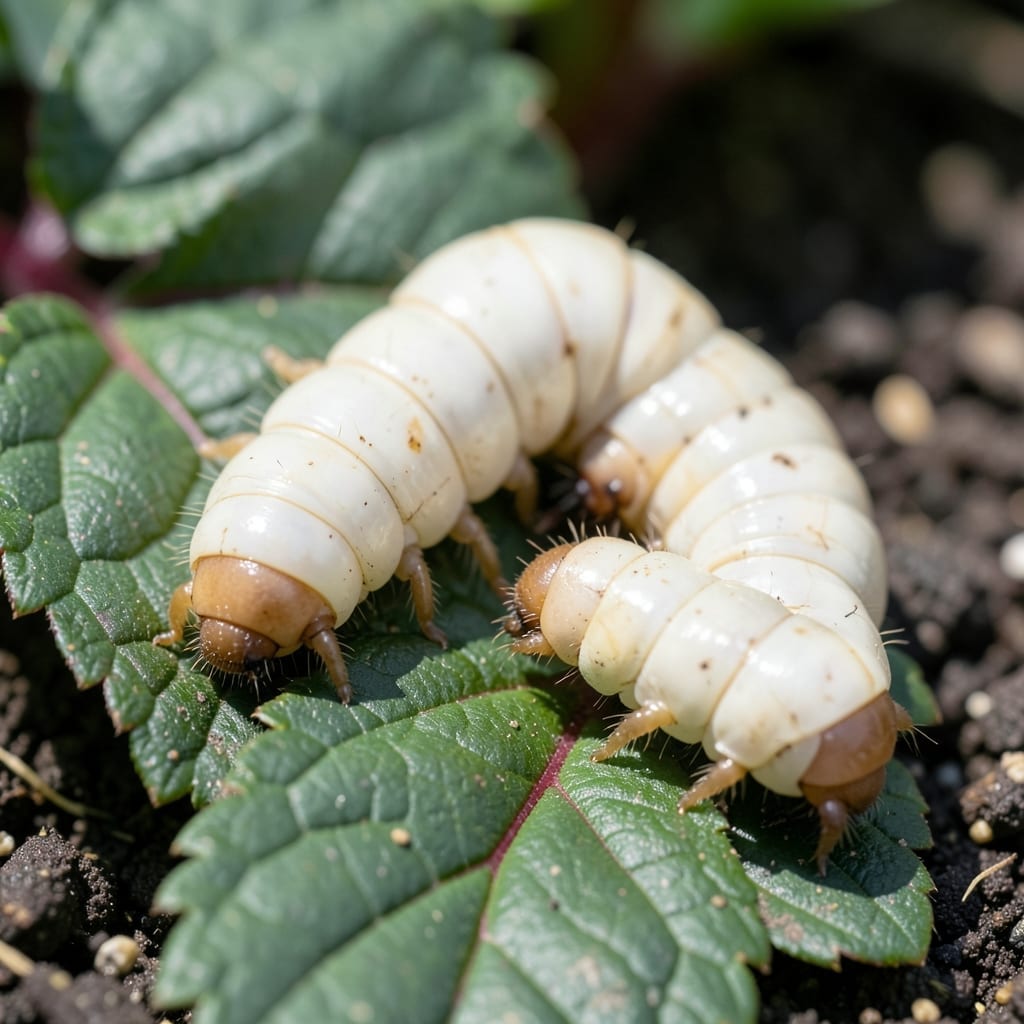
I found my first Japanese beetle grub while turning soil last spring. These white, C-shaped larvae curl up when exposed, with tan heads and six stubby legs—unmistakable once you know what to look for.
They’re the underground stage of those metallic green adults that skeletonize roses and beans. Left unchecked, grubs chew grass roots and vegetable beds, causing brown patches and wilting plants you’ll spot by midsummer.
Identification is the first defense. Check soil in late summer or early fall when they’re nearest the surface, feeding before winter. A handful of soil often reveals them if you’ve got an infestation.
Early action saves next year’s garden. Here’s how to spot and stop them before they mature.
Japanese beetle grubs thrive in specific environmental conditions, making their appearance in your soil no accident. Understanding the why helps you prevent and manage these pests effectively. Here’s a breakdown of the key causes:
Grubs prefer moist, well-aerated soil rich in organic matter. Lawns and gardens with loose, loamy soil (pH 6.0–7.5) create the perfect nursery. Overwatering or poor drainage can exacerbate the issue, as soggy soil attracts egg-laying adult beetles. Actionable tip: Test soil moisture—if it’s consistently damp, improve drainage to disrupt their lifecycle.
Adult Japanese beetles lay eggs in mid-to-late summer (July–August), when soil temperatures hover around 75–85°F (24–29°C). These conditions accelerate egg hatching (within 1–2 weeks), leading to grubs feeding on roots until fall. Pro tip: Monitor soil temps with a probe thermometer to predict and preempt grub activity.
Grubs target grass roots (especially Kentucky bluegrass, ryegrass) and garden plants like roses, grapes, and beans. Lawns with thick thatch layers (over ½ inch) or untreated organic debris provide both food and shelter. Actionable step: Dethatch your lawn in early summer to remove hiding spots and reduce food availability.
In ecosystems with fewer ground-dwelling predators (e.g., birds, moles, or beneficial nematodes), grub populations explode. Pesticide overuse can kill these natural enemies, creating a vacuum for grubs to dominate. Solution: Introduce Heterorhabditis bacteriophora nematodes in late summer to target grubs organically.
Japanese beetle grubs can wreak havoc on your lawn and garden, but you can take action to control and prevent their damage. Here’s how to tackle the problem at its root.
Encourage natural predators like birds, toads, and beneficial nematodes (Heterorhabditis bacteriophora) to target grubs in the soil. Apply nematodes in late summer or early fall when grubs are young and active near the surface. Water the soil before and after application to help them move through the soil effectively.
If the infestation is severe, consider using grub-specific insecticides like imidacloprid or chlorantraniliprole. Apply these in early summer before grubs grow large and cause significant damage. Always follow label instructions and avoid overuse to protect pollinators and beneficial insects.
💡 Pro Tip: Monitor grub activity by digging up a small section of soil in early fall. If you find more than 5–10 grubs per square foot, it’s time to act!
Look for the C-shaped curl and tan head with 6 legs. Other larvae, like cutworms, are straight and hairless. Japanese beetle grubs also have a distinct cream-colored body with a slightly darker rear end.
They’re easiest to spot in late summer and early fall when they’re feeding near the soil surface. Check during July–September by digging up small patches of lawn or garden soil.
Yes! They chew on roots, causing grass to turn brown and plants to wilt. Severe infestations can kill patches of lawn or stunt garden growth. Look for spongey, loose soil as a sign of their presence.
Use beneficial nematodes or encourage natural predators like birds and toads. Maintaining healthy soil and reducing thatch also discourages beetles from laying eggs.