
Beautiful Plants For Your Interior
Beautiful Plants For Your Interior
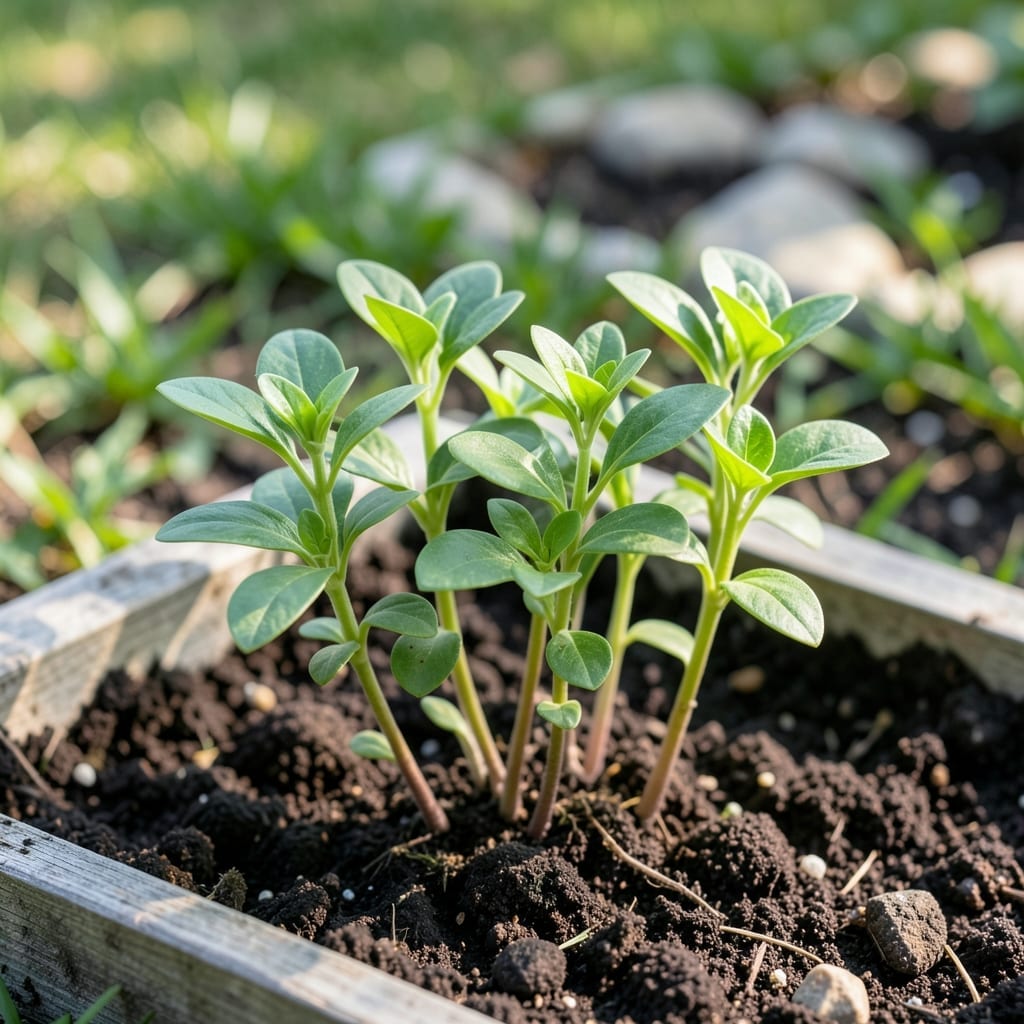
Spotting four o’clock seedlings is easier than you think once you know what to look for. I remember my first time – they popped up so fast I nearly mistook them for weeds.
These babies start with two heart-shaped leaves that are a deep, almost purple-green. As they grow, the true leaves develop that classic oval shape with a slight point at the tip.
By the time they hit 2-3 inches tall, you’ll notice the stems take on a reddish tint. The leaves grow in pairs, creating that unmistakable ladder-like pattern up the stem.
Fair warning: they look nothing like their mature plants at first. But once you see that first true leaf, you’ll never confuse them with weeds again.
The appearance of four o’clock (Mirabilis jalapa) seedlings can vary due to several biological and environmental factors. Understanding these causes helps gardeners identify healthy growth or potential issues early on.
Four o’clock flowers are known for their genetic diversity, which can lead to subtle differences in seedling appearance. Even within the same batch of seeds, slight variations in leaf shape, color, or size may occur. This is because Mirabilis jalapa is a highly heterozygous species, meaning its offspring can express a range of traits from its parent plants. Seedlings may display lighter or darker cotyledons (first leaves) or slightly different stem thickness, all of which are normal.
Light, temperature, and moisture levels directly influence seedling development. Insufficient light can cause etiolation—where seedlings grow tall, leggy, and pale as they stretch toward a light source. Conversely, excessive heat or cold can stunt growth or cause discoloration. Ideal conditions include 6-8 hours of indirect sunlight and temperatures between 70-80°F (21-27°C). Inconsistent watering may also lead to wilting or yellowing leaves, signaling stress.
Soil nutrient levels play a critical role in seedling health. A lack of nitrogen can result in pale, yellowish leaves, while phosphorus deficiency may cause slow growth or purplish stems. Four o’clock seedlings thrive in well-draining, slightly fertile soil. Over-fertilizing, especially with high-nitrogen formulas, can lead to excessive leafy growth at the expense of root development, making seedlings appear top-heavy.
Pests like aphids or spider mites can distort seedling leaves, causing curling, spotting, or stunted growth. Fungal diseases, such as damping-off, may lead to wilting or blackened stems at the soil line. These issues often arise from overwatering or poor air circulation. Inspect seedlings regularly and treat with organic solutions like neem oil if pests or diseases are spotted.
If your four o’clock seedlings aren’t thriving, don’t worry—most problems are fixable with a few simple adjustments. Below are practical solutions to common issues, along with prevention tips to keep your seedlings healthy.
Fix: Move seedlings to a brighter location or supplement with a grow light (12–16 hours/day, 2–4 inches above plants). If they’re already stretched, gently bury the stems deeper into the soil to encourage root growth.
Prevention: Start seeds in a well-lit area from day one. Use a heat mat to maintain soil warmth (70–75°F) for sturdy growth.
Fix: Check soil moisture—overwatering or underwatering can cause stress. Let the top inch of soil dry between waterings, and ensure pots have drainage holes. If the issue persists, test soil pH (ideal: 6.0–7.0) and adjust with lime or sulfur as needed.
Prevention: Water at the base (not leaves) in the morning to prevent fungal issues. Use a moisture meter to avoid guessing.
Fix: Spray seedlings with a mild soap-water solution (1 tsp dish soap per quart of water) or introduce neem oil (follow label instructions). For severe infestations, isolate affected plants and repeat treatment every 3–4 days.
Prevention: Keep the growing area clean, and inspect seedlings daily. Companion planting with marigolds or basil can deter pests naturally.
Fix: Verify seed age (old seeds lose viability). Replant with fresh seeds, ensuring they’re lightly covered (¼ inch deep) in warm, moist soil. A heat mat can speed up germination (aim for 70–80°F).
Prevention: Store seeds in a cool, dry place to extend shelf life. Soak seeds in lukewarm water for 1–2 hours before planting to soften the coat.
💡 Pro Tip: Rotate seedlings daily if growing under artificial light to prevent lopsided growth. Consistency is key—small, regular adjustments yield the best results!
Look for the heart-shaped cotyledons first—they’re deep green with a purple tint. True leaves appear in pairs along a slightly reddish stem, unlike most weeds.
True leaves typically emerge 7-14 days after germination, replacing the initial cotyledons. They’ll be oval with a pointed tip, growing in opposite pairs up the stem.
Healthy seedlings have deep green leaves with possible reddish stems. Pale or yellow leaves often signal insufficient light or nutrients.
By 3 weeks, they’re usually 2-4 inches tall with several sets of true leaves. If they’re taller but spindly, they likely need more light.