
Beautiful Plants For Your Interior
Beautiful Plants For Your Interior
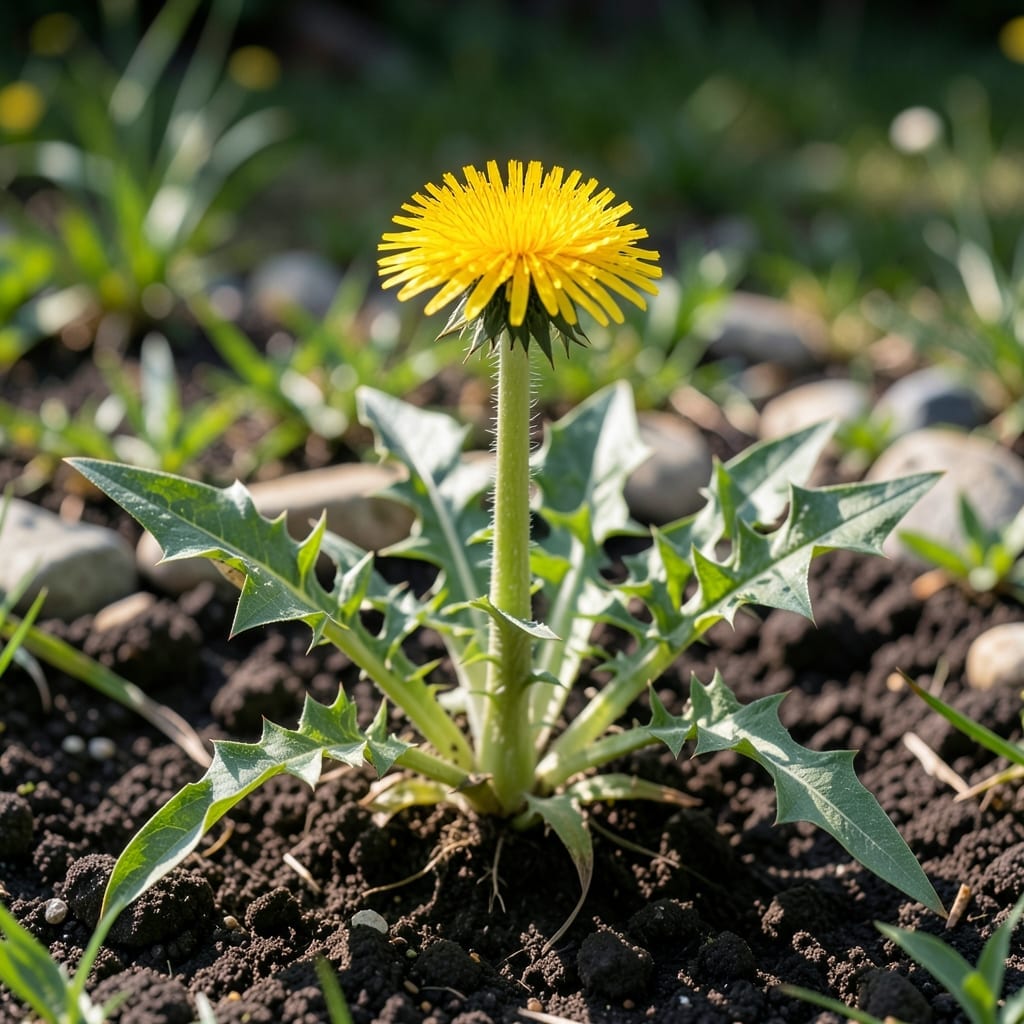
Those bright yellow blooms popping up uninvited aren’t just eyesores—they’re stealing nutrients from your prized plants. I’ve wrestled with more than my fair share of these persistent invaders in UK gardens.
Most yellow-flowered weeds thrive in disturbed soil, spreading aggressively if left unchecked. The good news? You don’t need harsh chemicals to reclaim your beds. A little persistence and the right techniques make all the difference.
Hand-pulling works for isolated patches, but for larger areas, smothering or targeted mulching starves them out. The key is catching them early, before they set seed and multiply.
Works for lawns, borders, and even patios. Here’s how to evict them for good.
Yellow-flowering weeds in UK gardens often thrive due to specific environmental and biological factors. Understanding these causes helps you tackle them more effectively.
Disturbed soil exposes buried weed seeds to light, triggering germination. Activities like tilling, digging, or construction can bring dormant seeds to the surface. Action: Minimize soil disruption and use mulch to suppress weed growth.
Excess moisture creates ideal conditions for weeds like Crepis capillaris (Hawk’s-beard) or Sinapis arvensis (Charlock). Waterlogged soil weakens grass and plants, giving weeds a competitive edge. Action: Improve drainage and water deeply but infrequently to encourage deeper root growth in desired plants.
Many yellow-flowering weeds, such as Taraxacum officinale (Dandelion), thrive in full sun and nutrient-poor soil. Bare patches in lawns or gardens invite these opportunistic plants. Action: Overseed lawns, apply balanced fertilizers, and maintain dense plant coverage to outcompete weeds.
Wind, animals, or contaminated compost can spread weed seeds far and wide. Some species, like Hypochaeris radicata (Cat’s-ear), have lightweight seeds designed for wind dispersal. Action: Inspect compost, clean garden tools, and remove weeds before they seed.
Tackling yellow-flowering weeds in your UK garden doesn’t have to be a daunting task. Below are practical, garden-friendly solutions tailored to common culprits, along with prevention tips to keep them from returning.
Dandelions spread quickly with their deep taproots. Use a weeding tool to extract the entire root—this prevents regrowth. For stubborn patches, soak the soil first to loosen the roots. Prevention tip: 💡 Apply mulch in spring to block sunlight and suppress new growth.
Buttercups thrive in thin, weak lawns. Aerate and overseed your lawn to thicken the grass, crowding out weeds naturally. For existing patches, spot-treat with vinegar (1 part vinegar to 1 part water) on a sunny day. Prevention tip: ✨ Mow high (3-4 inches) to shade the soil and discourage weed seeds.
Groundsel grows fast but has shallow roots. Pull it by hand before it seeds (it can produce thousands per plant!). Check beds weekly in spring. Prevention tip: 🎯 Use a pre-emergent corn gluten meal in early spring to stop seeds from sprouting.
This persistent weed spreads via runners. Lay down cardboard or black plastic for 2-3 months to suffocate it. For smaller areas, repeatedly cut back the foliage to weaken the plant. Prevention tip: 🌡️ Plant dense ground covers like creeping thyme to outcompete weeds.
Pro tip: Always dispose of pulled weeds in a sealed bag—not the compost—to avoid reseeding!
Dandelions, buttercups, and groundsel are the top offenders. These spread quickly in disturbed soil or weak lawns. Dandelions have deep taproots, while buttercups thrive in thin grass.
Mulch beds in spring to block sunlight. For lawns, mow high at 3-4 inches and overseed bare patches. Always remove weeds before they seed to stop the cycle.
Yes! Spot-treat with vinegar (1:1 with water) on sunny days. For persistent weeds like creeping cinquefoil, smother with cardboard for 2-3 months. Avoid composting pulled weeds to prevent reseeding.