
Beautiful Plants For Your Interior
Beautiful Plants For Your Interior
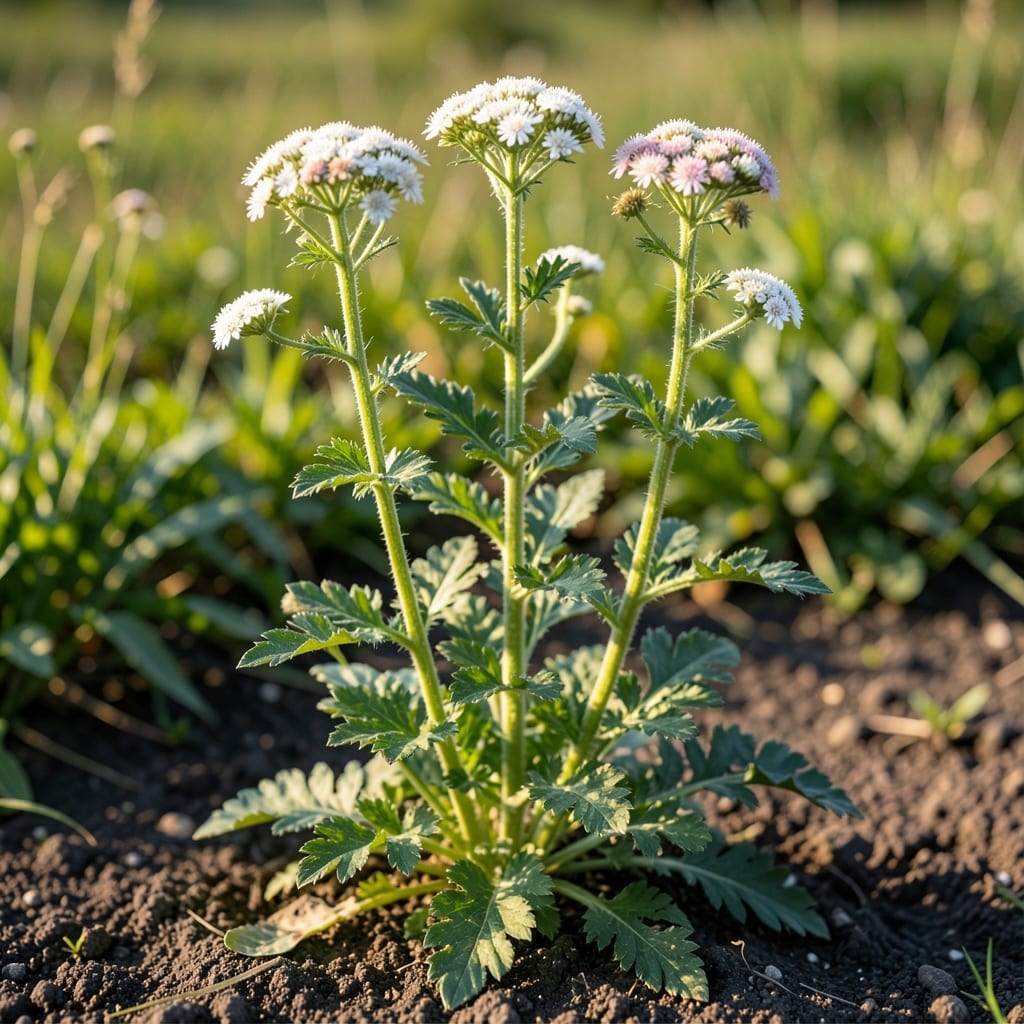
Those puffballs floating across your yard aren’t just dandelion wishes—they’re weeds taking over. I’ve battled these invaders for years, and the key is catching them before they spread their fluffy seeds everywhere.
White fluffy flowers often belong to persistent plants like goosegrass or clematis. They thrive in weak lawns, thriving where grass struggles. The good news? You can fight back without harsh chemicals or hours of backbreaking work.
Eco-friendly removal starts with consistent mowing and hand-pulling before seeds form. A thick, healthy lawn is your best defense, choking out weeds naturally with proper watering and feeding.
For stubborn patches, a mix of vinegar and dish soap does the trick. It’s effective, pet-safe, and keeps your yard looking its best without harming the environment.
Understanding why weeds with white fluffy flowers thrive in your lawn starts with recognizing the conditions that favor their growth. These plants, often dandelions, common yarrow, or queen anne’s lace, exploit specific environmental or cultural factors to spread. Below are the primary causes, explained with actionable insights.
Weeds flourish in disturbed or compacted soil where grass struggles to grow. Bare patches from foot traffic, poor lawn health, or improper mowing create openings for wind-dispersed seeds (like those from fluffy white flowers) to take root. Action: Overseed thin areas and aerate compacted soil to outcompete weeds naturally.
The “fluff” on these weeds isn’t just decorative—it’s a highly efficient seed-spreading mechanism. A single dandelion can release up to 200 seeds per flower head, traveling miles via wind. Even a neighbor’s unmanaged lawn can introduce seeds to your property. Action: Remove flower heads before they mature to prevent seeding.
Many white-flowered weeds thrive in full sun and moist, nutrient-rich soil—conditions often found in well-maintained lawns. Overwatering or inconsistent irrigation can also create muddy patches where these opportunistic plants germinate. Action: Adjust watering schedules to avoid oversaturation and ensure proper drainage.
Thin or weak turfgrass fails to shade the soil, allowing weed seeds to access sunlight and germinate. Lawns with poor species diversity or improper mowing heights (too short) are especially vulnerable. Action: Maintain a dense lawn by choosing region-appropriate grass species and mowing at the recommended height (typically 2–4 inches).
Dealing with weeds that sport those pesky white fluffy flowers? Here’s how to tackle them effectively while keeping your lawn and garden healthy.
If the weeds are few, pull them by hand before they seed. Use a weeding tool to remove the entire root system, ensuring they don’t grow back. Best time: After rain when the soil is soft. Prevention tip: 💡 Check your lawn weekly to catch new growth early.
For larger patches, cover the area with thick mulch or cardboard to block sunlight. This kills existing weeds and prevents new ones. Use organic mulch for an eco-friendly fix. Prevention tip: ✨ Reapply mulch annually to keep weeds at bay.
Spray a mix of vinegar, salt, and dish soap directly on the weeds. This DIY solution dries out foliage but may harm nearby plants—use carefully! Prevention tip: 🎯 Spot-treat only the affected areas to avoid damaging your lawn.
If the weeds have already flowered, mow them down before they release seeds. Bag the clippings to prevent spread. Prevention tip: 🌡️ Keep your lawn thick and healthy to outcompete weeds naturally.
Pro tip: Always wear gloves when handling weeds to avoid skin irritation!
Most are harmless but can crowd out desirable plants. Some, like queen anne’s lace, may even attract beneficial insects. However, aggressive spreaders can overtake flower beds if left unchecked.
Act before they seed—early spring or right after flowering. Pulling when soil is moist makes roots easier to remove. Avoid waiting until the fluffy stage, as seeds spread quickly.
Only if they haven’t seeded. Hot compost piles (> 140°F) kill most seeds, but to be safe, bag and dispose of mature flower heads. This prevents reinfestation.