
Beautiful Plants For Your Interior
Beautiful Plants For Your Interior
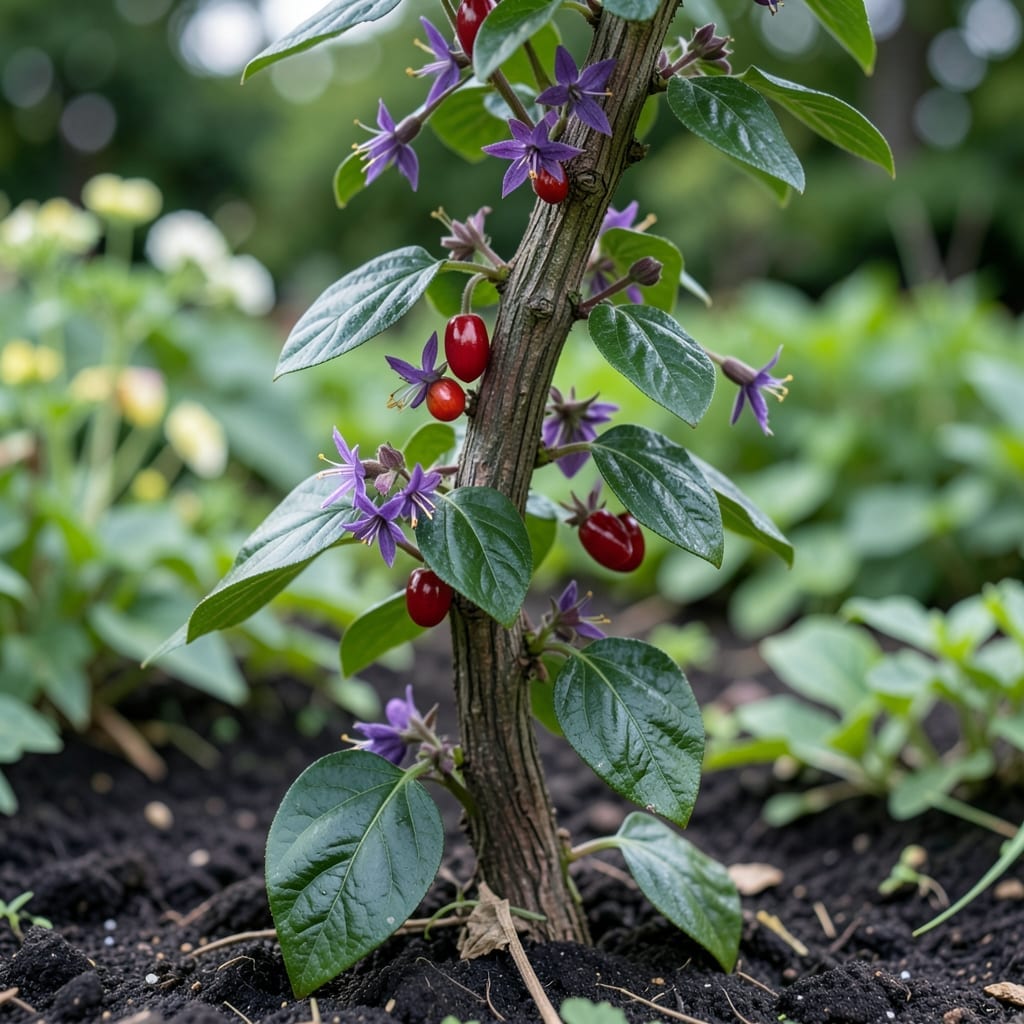
Those bright red berries in your garden might look pretty, but they could be trouble. I’ve learned the hard way that not all colorful plants are safe—some are invasive weeds that spread fast and crowd out your favorites.
Identifying the right plant is key. Some berry-producing weeds are toxic to pets and kids, while others just steal nutrients from your soil. It’s worth taking a closer look before deciding what to do.
Safe removal starts with proper identification. Once you know what you’re dealing with, you can pull, dig, or smother it without harming your garden’s ecosystem.
There are also pet-safe alternatives that give you color without the risk. Let’s sort the safe from the dangerous so your garden stays both beautiful and worry-free.
The vibrant red berries on certain weeds are no accident—they’re the result of evolutionary adaptations and biochemical processes. Here’s a breakdown of the primary causes behind this striking feature:
Many weeds produce red berries to entice animals, particularly birds, into eating them. The bright color signals ripeness and high nutritional value (e.g., sugars and fats), encouraging consumption. As animals digest the berries, they excrete the seeds elsewhere, aiding the plant’s spread. This zoochory strategy is a key survival tactic for species like Solanum (nightshade) or bittersweet.
Red pigments, often from anthocyanins or carotenoids, can deter herbivores or pathogens. These compounds may taste bitter or signal toxicity, warning predators to avoid the plant. For example, pokeweed (Phytolacca americana) produces deep red berries packed with toxins to protect its seeds until they’re ready for dispersal.
Stress factors like UV exposure, temperature fluctuations, or nutrient deficiencies can intensify red pigmentation. Anthocyanins act as natural sunscreens, shielding plant tissues from damage. Weeds in open, sunny areas (e.g., winterberry or bittersweet nightshade) often develop brighter berries as a response to environmental conditions.
Some weeds are genetically programmed to produce red berries as part of their species’ identity. For instance, Lonicera japonica (honeysuckle) consistently bears red berries due to its evolutionary lineage, regardless of external factors. This trait ensures recognition by pollinators and seed dispersers.
If you’ve spotted a weed with red berries in your garden or yard, quick and safe removal is key. Below are practical fixes for common scenarios, along with prevention tips to keep them from returning.
For widespread infestations, mow first to remove berries (preventing seed spread), then apply a selective herbicide labeled for broadleaf weeds. Spot-treat clusters with a glyphosate-based product for tough cases, but avoid overspray on desirable plants. Prevention tip: 💡 Maintain a dense, healthy lawn with proper fertilization and aeration to crowd out weeds naturally.
Hand-pulling works best for isolated plants—wear gloves to avoid skin irritation from sap or thorns. Use a trowel to dig up roots, especially for deep taproots like those of bittersweet nightshade. For stubborn patches, smother with thick cardboard or mulch to block sunlight. Prevention tip: ✨ Lay landscape fabric under mulch in new beds to suppress future growth.
Never use chemical herbicides near vegetables or fruits. Instead, boiling water can kill young weeds at the root—pour carefully to avoid harming nearby plants. For persistent weeds, vinegar mixed with dish soap (1 gallon vinegar + 1 tbsp soap) acts as a natural desiccant. Prevention tip: 🎯 Rotate crops annually and remove weeds before they seed to break their life cycle.
Pro safety
Not all, but many common ones like pokeweed and bittersweet nightshade are toxic if ingested. Always wear gloves when handling and keep pets/kids away until identified.
Look for leaf shape, berry clusters, and stem characteristics. Use a plant ID app or compare to trusted gardening guides. Never taste test unknown berries.
Hand-pull or use boiling water for young plants. For tougher weeds, try vinegar + dish soap mix, but avoid spraying desired plants.
Yes, thick mulch (3-4 inches) blocks sunlight and suppresses growth. Combine with landscape fabric for extra protection in new beds.