
Beautiful Plants For Your Interior
Beautiful Plants For Your Interior
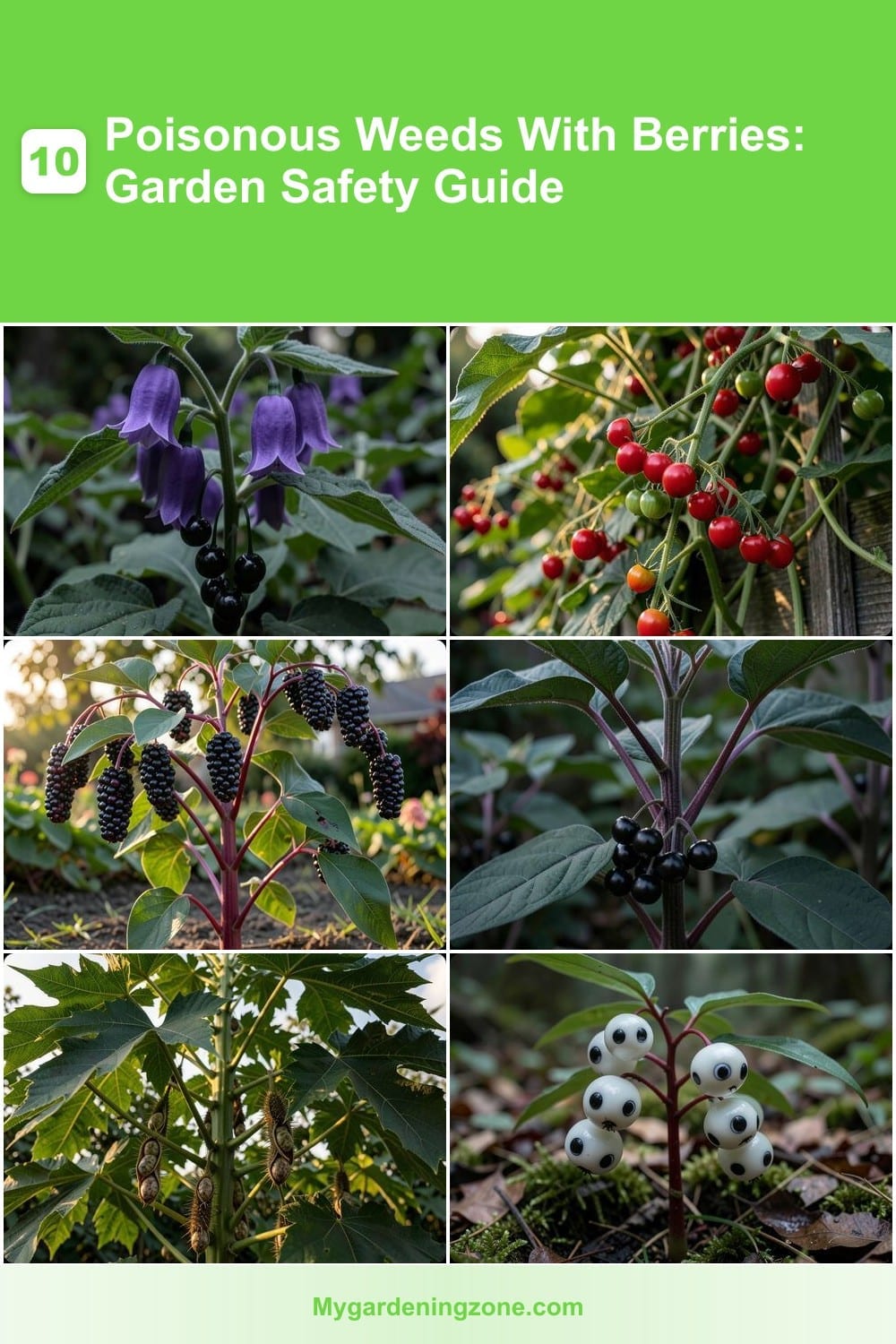
Many common garden weeds produce colorful berries that can be deadly if ingested. This guide identifies 10 poisonous berry-producing weeds you should remove from your yard immediately to protect pets, children, and wildlife.
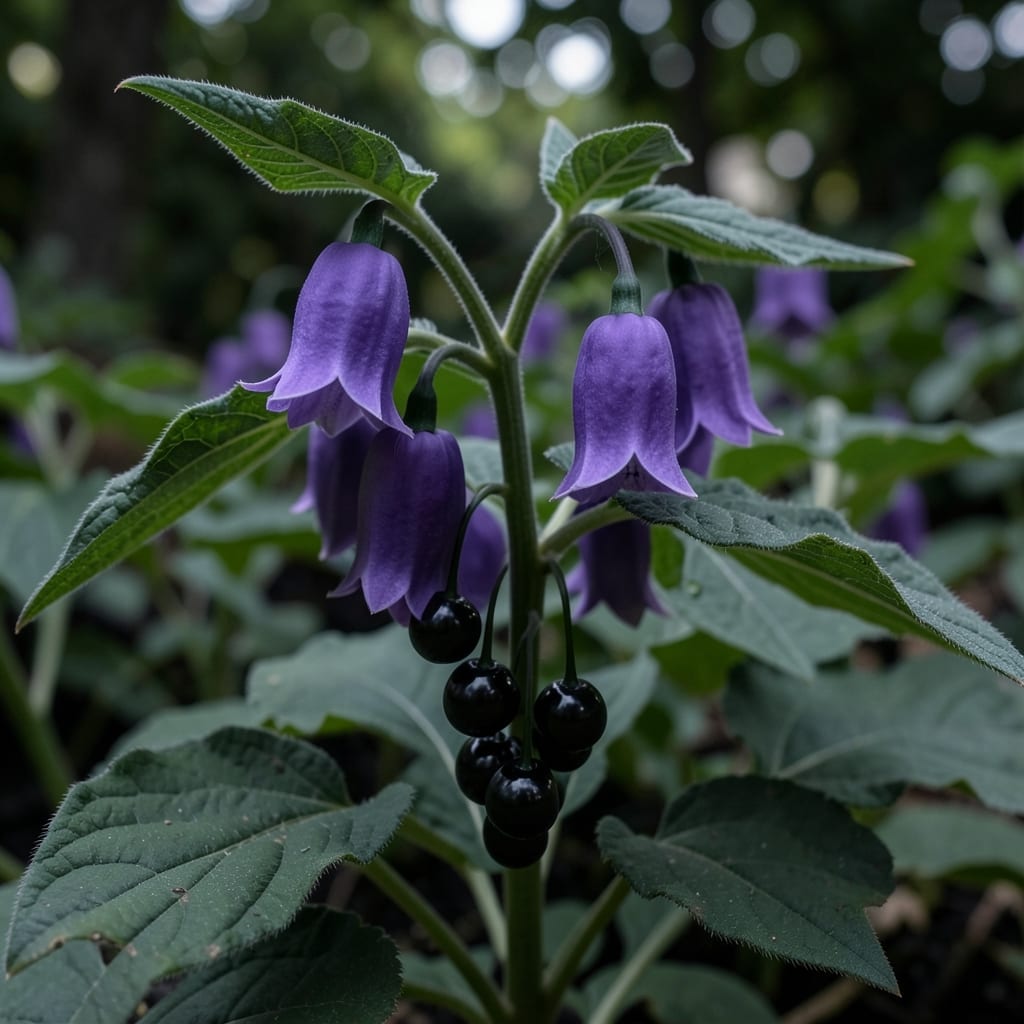
This deceptively beautiful plant hides a deadly secret beneath its glossy black berries and purple bell-shaped flowers. Every part of the deadly nightshade contains powerful alkaloids that can be fatal if ingested.
Its toxins, atropine and scopolamine, affect the nervous system, and even brief contact may cause skin irritation for sensitive individuals. The sweet-looking berries are especially dangerous to children and pets who might be tempted by their appearance.
If you have this growing in your yard, remove it immediately with protective gloves and dispose of it carefully. 🌿
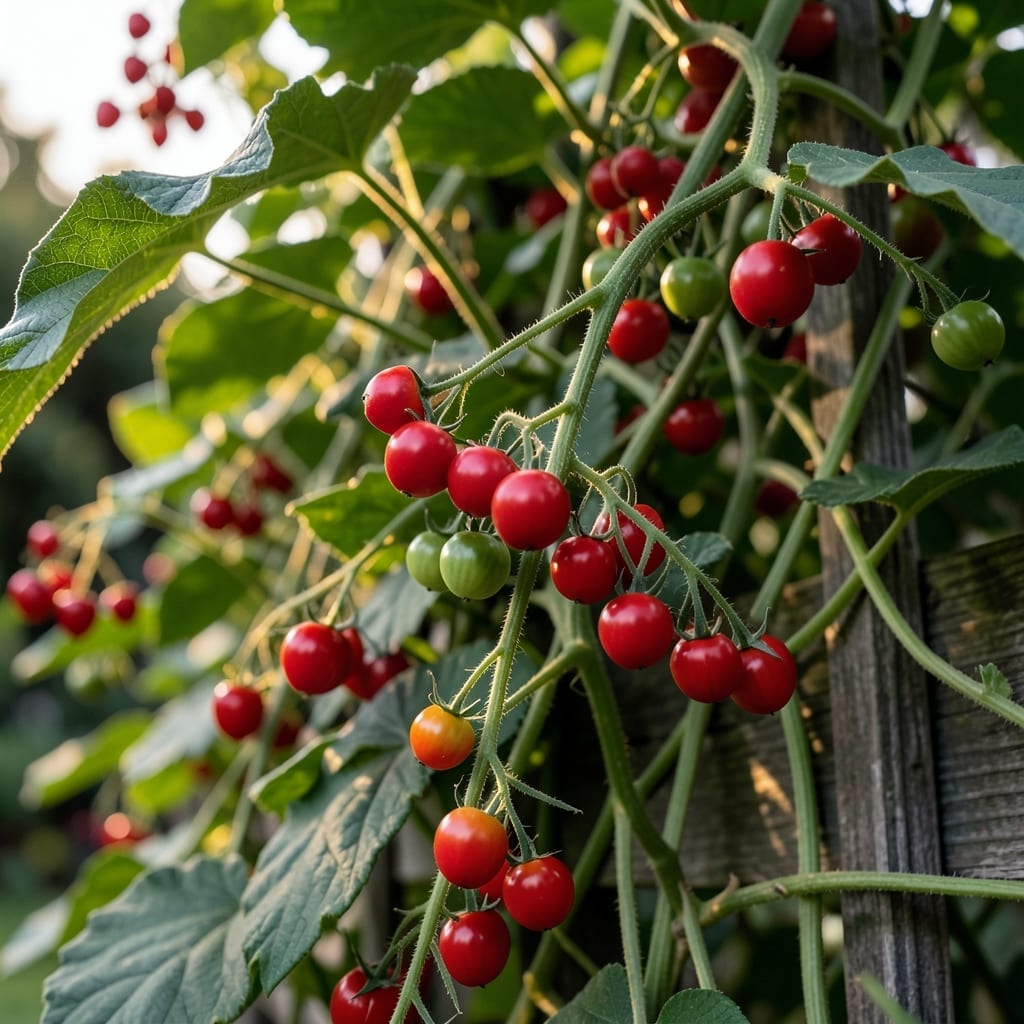
Don’t let its innocent cherry tomato lookalikes fool you—this fast-growing vine is one of the most deceptive invaders in your garden. The bright red berries of bittersweet nightshade are a siren call to curious kids and pets, but even the green, unripe ones pack a dangerous punch.
Every part of this plant, from leaves to stems, contains toxic alkaloids. It thrives in disturbed soils, quickly climbing fences, trees, or trellises. Remove it immediately by pulling roots and all—gloves are essential to avoid skin contact with its sap.
Vigilant gardeners should monitor for its purple star-shaped flowers, the first sign this invasive climber is taking hold. 🌿
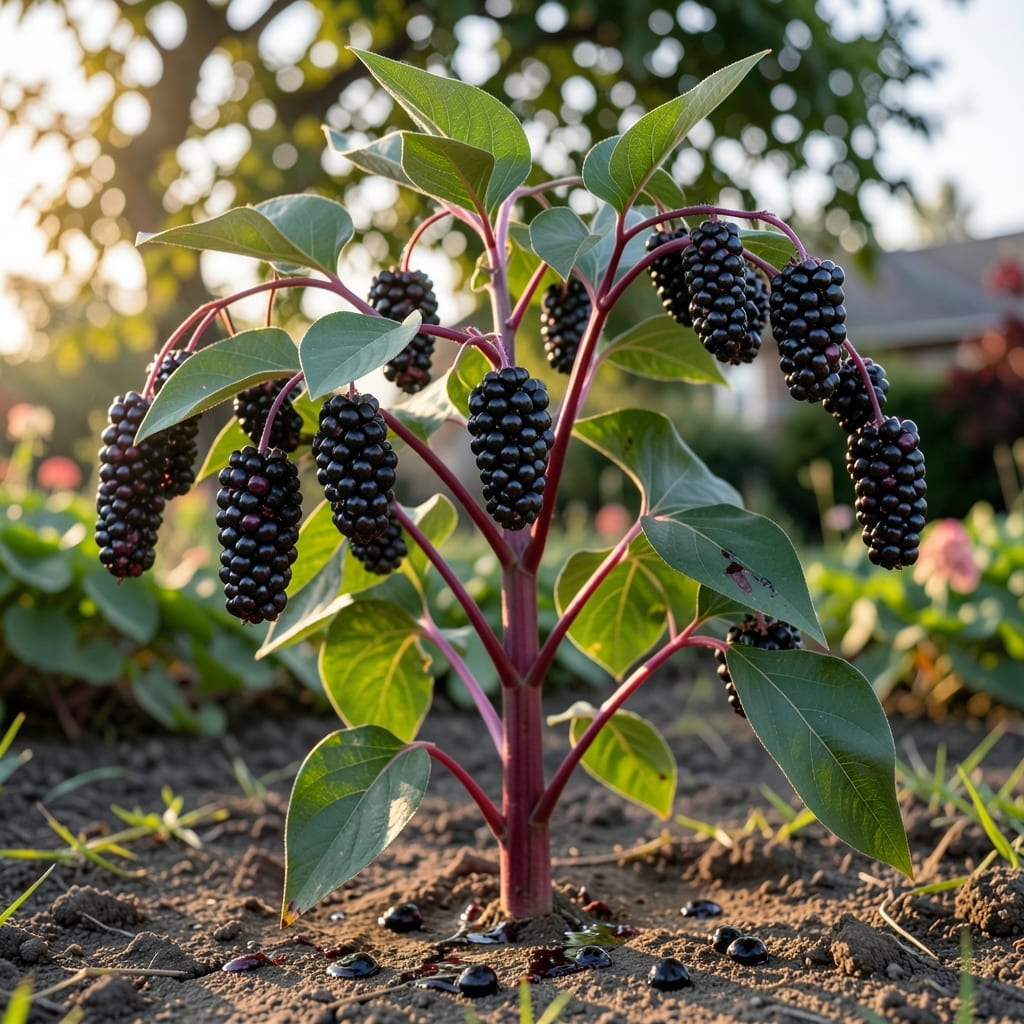
Those deep purple-black berry clusters hanging from tall pokeweed plants look tempting, but they’re among the most dangerous garden invaders. Foragers often confuse them with edible elderberries, leading to accidental poisonings.
All parts of pokeweed are toxic when raw, with the berries containing powerful emetics and laxatives. Birds love the berries and spread seeds far and wide, making this plant incredibly invasive. Even cooked berries require special preparation to be safe.
Remove pokeweed immediately if you have pets or children, and always wear gloves when handling. 🌱
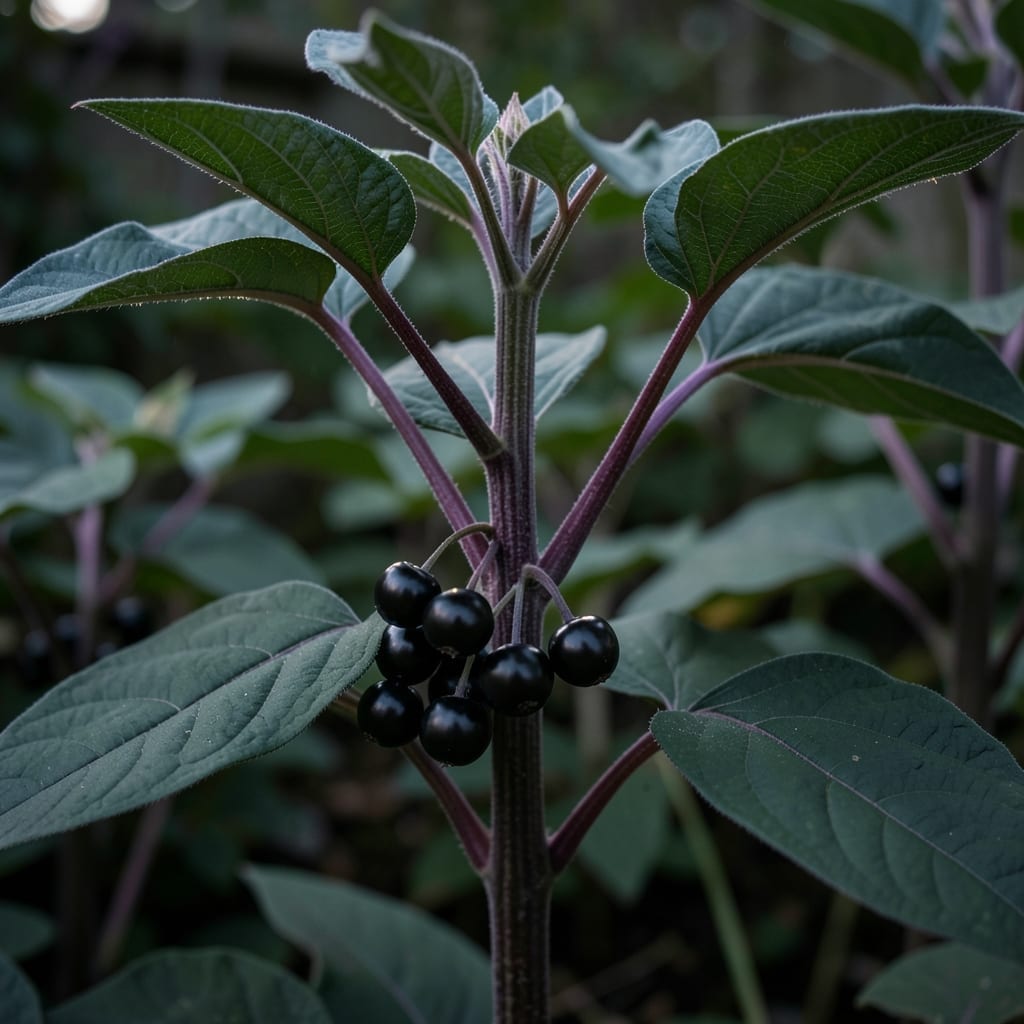
Known historically as deadly nightshade, Belladonna Atropa carries a chilling legacy beyond its glossy black berries. Its sweet-tasting fruit was once used to tip poison arrows, delivering a lethal dose of alkaloids to unsuspecting targets.
Every part of this plant is highly toxic, with the berries containing atropine and scopolamine—compounds that disrupt the nervous system. Even small amounts can cause severe symptoms, making it critical to remove this plant immediately if found in your garden.
This is one to handle with extreme caution, using gloves and disposing of it far from compost or pet areas. 🌿
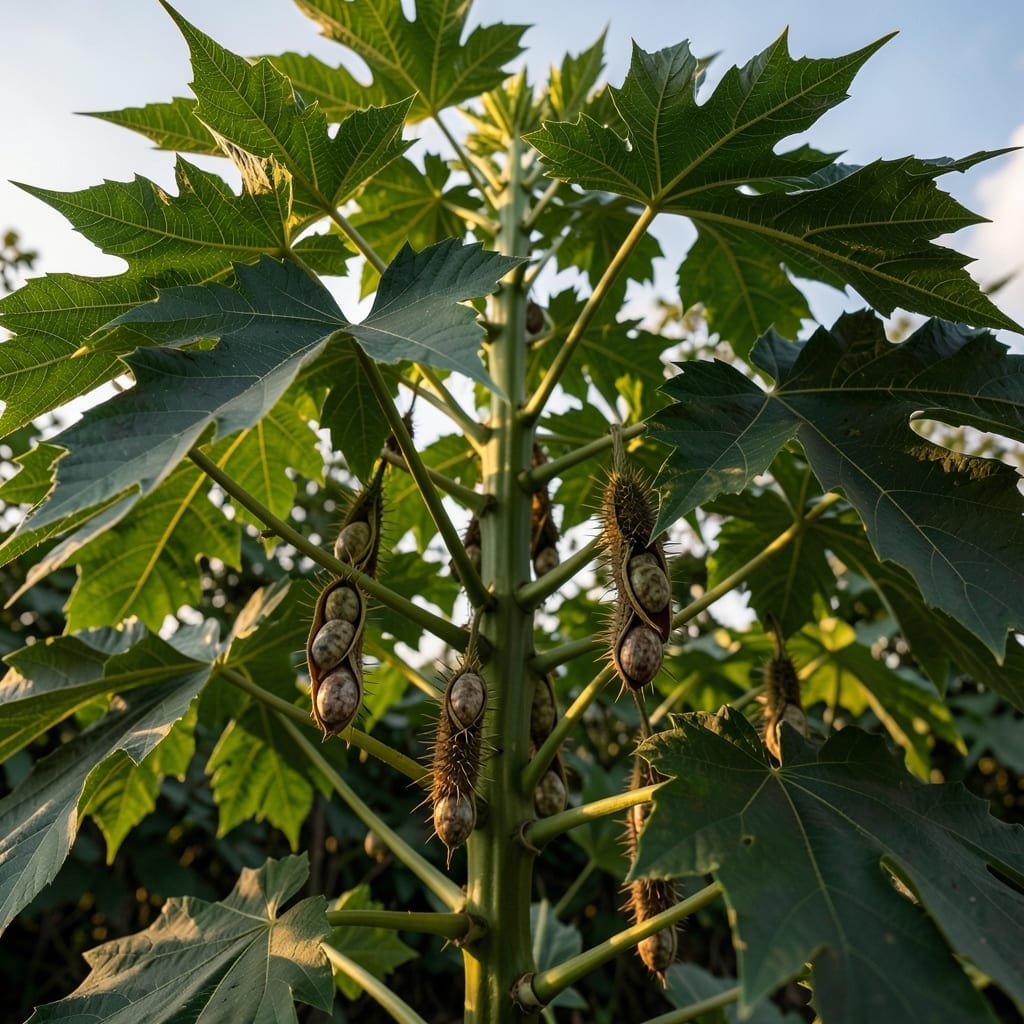
The castor bean plant might look tropical and exotic with its large, star-shaped leaves, but its spiky seed pods hide a terrifying secret. Just one of its seeds contains enough ricin to be lethal if ingested.
This toxin remains potent for years, even after the plant dies. The seeds are particularly dangerous to children and pets who might be tempted by the plant’s unusual appearance. Always wear gloves when handling, and remove entire plants immediately if found in your garden.
This is one plant that should never be grown where kids or animals play. 🌿
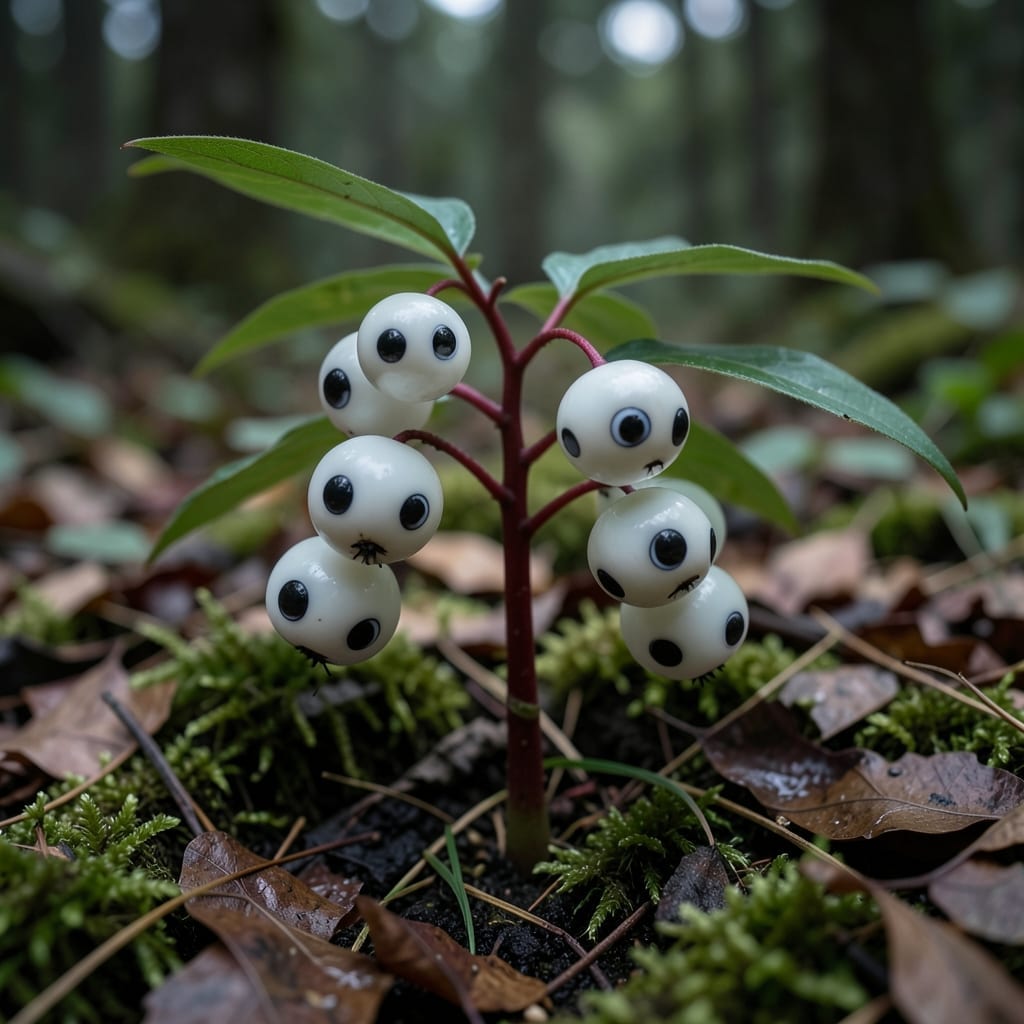
The doll’s eyes plant is as eerie as it is dangerous, with its signature white berries featuring black dots that uncannily resemble dolls’ eyes. Found in wooded areas, this plant’s unsettling appearance often piques curiosity, especially among children.
Every part of the plant is highly poisonous, and the berries are particularly deadly, potentially causing cardiac arrest in severe cases. Never touch or ingest any part of this plant, and remove it immediately if found in your garden or yard.
This is one plant where its looks should serve as a warning to stay far away. 🌿
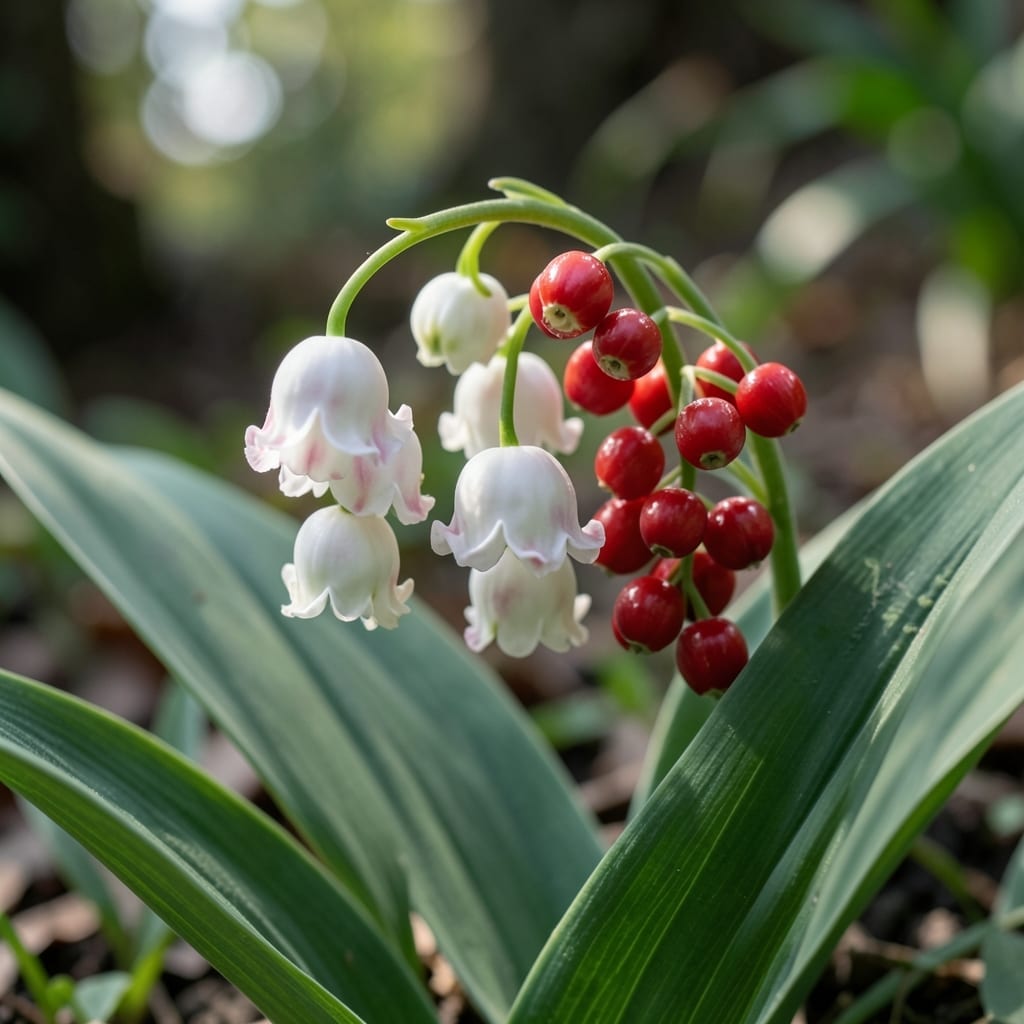
Those delicate bell-shaped white flowers of lily of the valley belie its hidden danger. After blooming, the plant produces clusters of tiny red berries that look almost like candy to curious children.
Each berry contains cardiac glycosides that can severely disrupt heart rhythm, and ingestion can be fatal. Often grown as ornamentals for their sweet fragrance, these plants pose serious risks in homes with kids or pets.
If you have lily of the valley in your garden, consider removing it or keeping it in a controlled area far from play spaces. 🌿
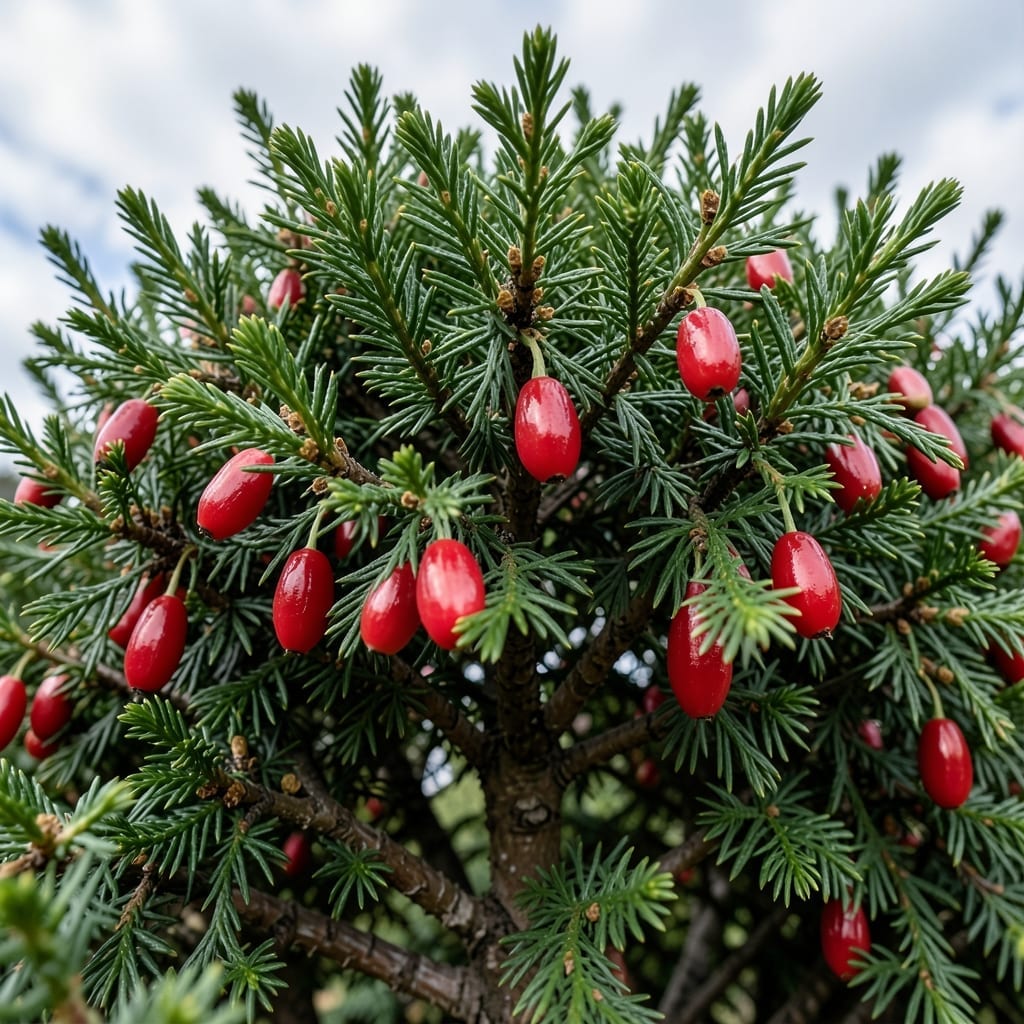
The English yew is a classic ornamental shrub that hides a shocking danger behind its elegant appearance. Its bright red arils may look inviting, but they encase seeds packed with deadly taxine alkaloids.
Every part of this plant except the fleshy aril is extremely toxic, with the seeds capable of causing sudden heart failure if ingested. Even dried clippings remain poisonous, posing risks to pets and wildlife that might chew on fallen branches.
If you have English yew in your landscape, ensure it’s out of reach of children and animals, and always wear gloves when pruning. 🌿
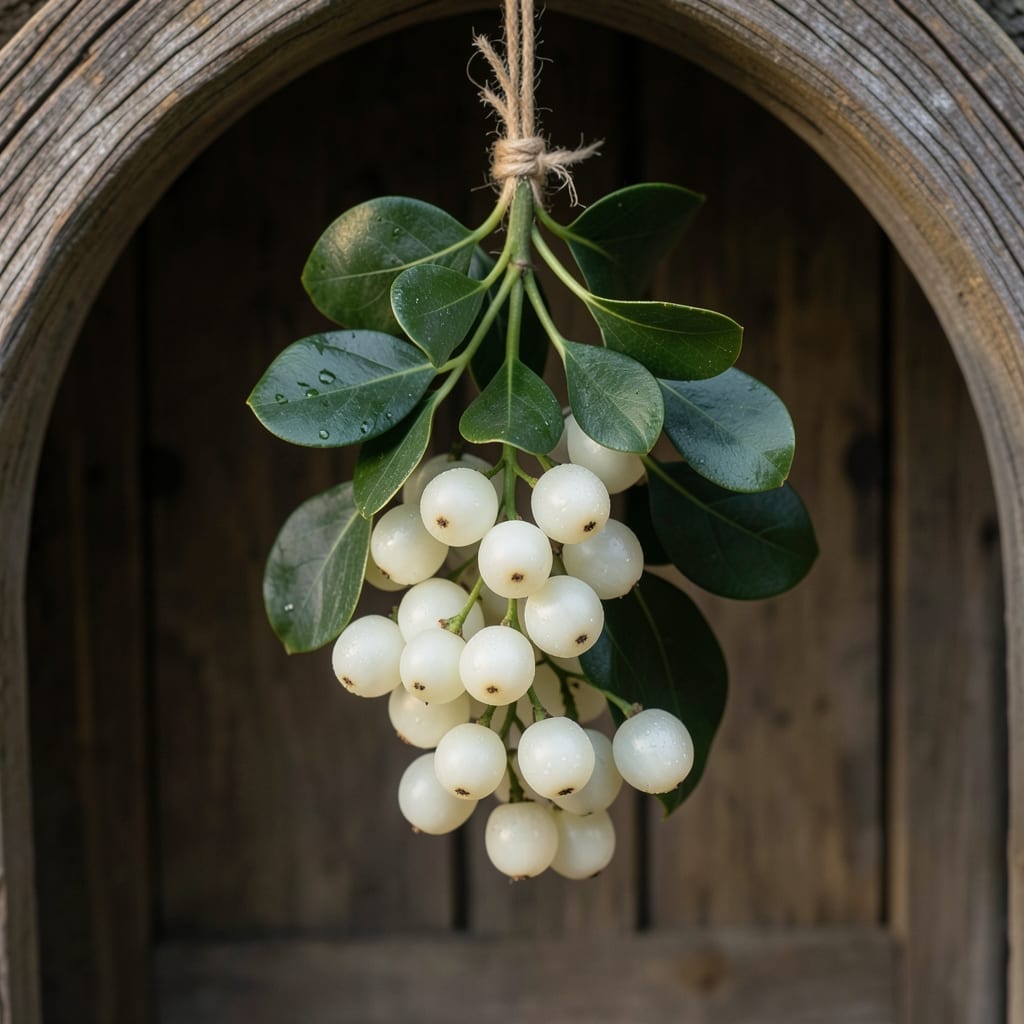
That festive sprig of mistletoe hanging in your doorway isn’t just for holiday kisses—it’s a hidden hazard. Its clusters of white berries may look charming, but they pack a powerful toxic punch for both humans and pets.
Ingesting even a few berries can cause severe gastrointestinal distress, including nausea, vomiting, and diarrhea. In larger quantities, mistletoe can trigger cardiovascular symptoms like low blood pressure or irregular heartbeat. Always keep it out of reach of children and animals.
If you use mistletoe for decor, opt for artificial versions to avoid the risk entirely. 🌿
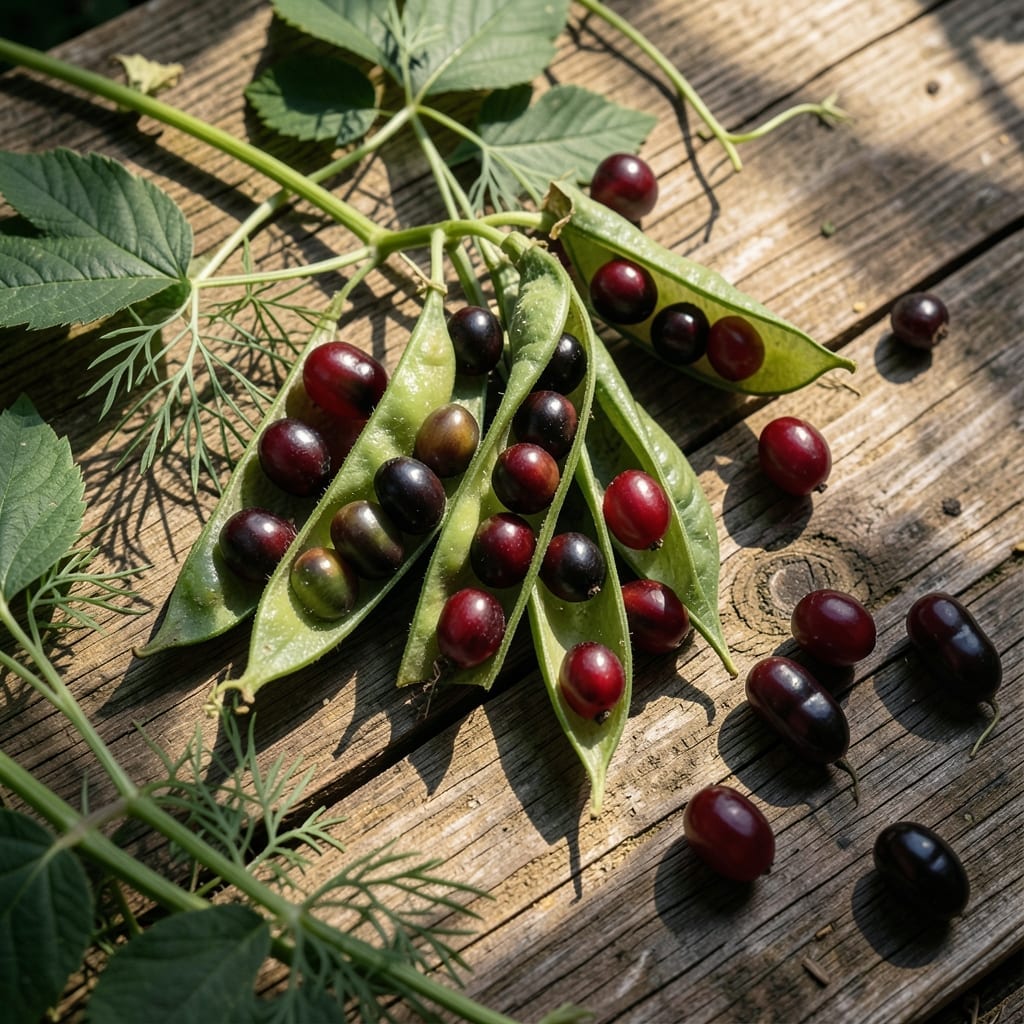
Those vibrant red and black seeds of the rosary pea vine may look perfect for jewelry, but they hide a deadly secret. The plant contains abrin, a toxin so potent it rivals ricin in its ability to cause severe harm if ingested.
Even chewing a single seed can release this dangerous compound, making it especially risky for children and pets who might be tempted by the colorful beads. The vine’s slender leaves and climbing habit can make it easy to overlook until it’s too late.
If you find rosary pea in your garden, remove it immediately with gloves and dispose of it far from compost or play areas. 🌿