
Beautiful Plants For Your Interior
Beautiful Plants For Your Interior
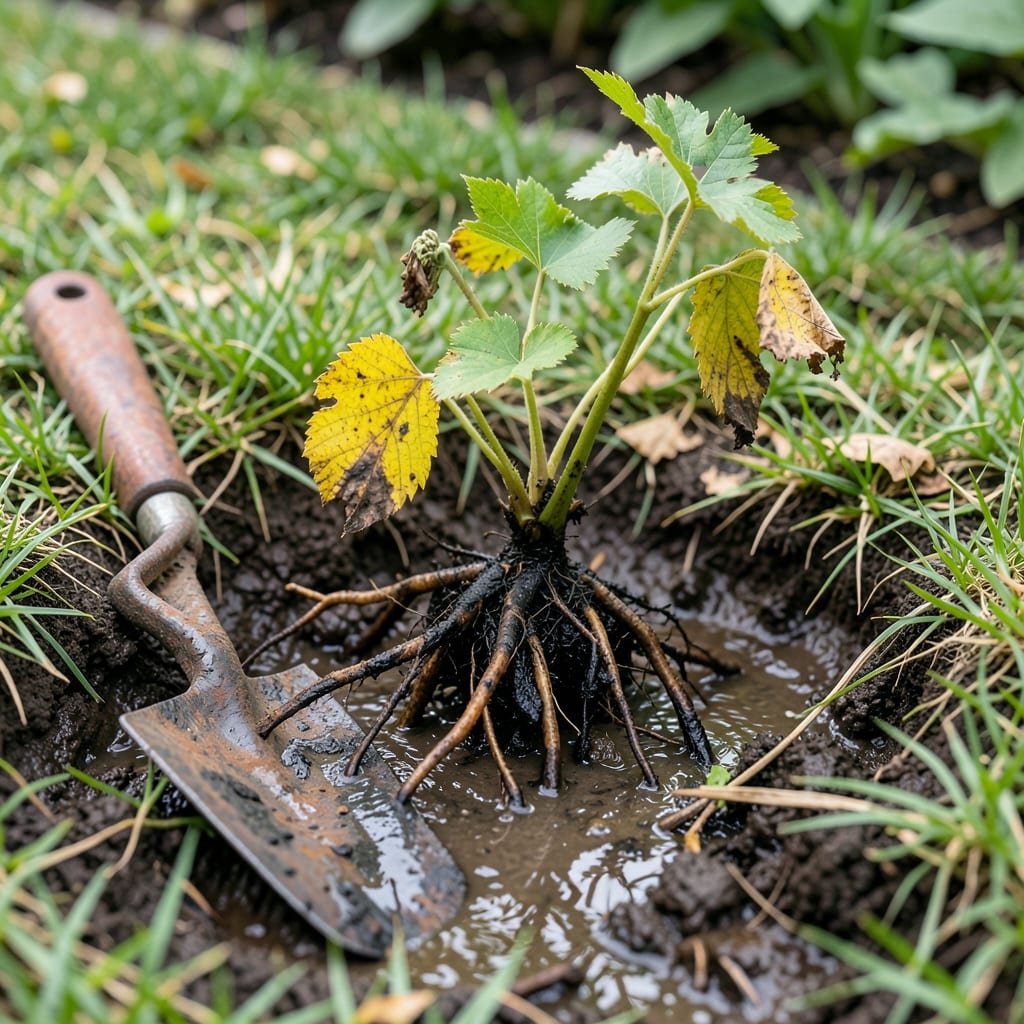
Yellow leaves and wilting stems are your first warning. I’ve lost count of how many plants I’ve saved by catching root rot early—before it spreads to the whole garden bed.
This problem starts underground, where overwatering, poor drainage, or compacted soil creates the perfect conditions. The roots turn dark and mushy, unable to absorb water or nutrients, and the plant above starts to suffer.
Organic treatments work best. A mix of neem oil and beneficial fungi helps restore balance, while improving drainage prevents future outbreaks.
Early action saves plants. Left too long, even the hardiest weeds won’t recover.
Understanding why root rot strikes your plants is the first step to preventing it. Here are the most common culprits behind this devastating condition:
Excess moisture is the primary trigger for root rot. When soil stays soggy, oxygen can’t reach the roots, creating an anaerobic environment where harmful pathogens like Pythium and Phytophthora thrive. Poor drainage—whether from compacted soil, lack of drainage holes in pots, or heavy clay soil—exacerbates the problem by trapping water around the roots.
Cool, damp conditions slow down root respiration and encourage fungal growth. If your grow space has high humidity (above 60%) or temperatures consistently below 60°F (15°C), your plants are at higher risk. These conditions weaken the roots, making them more susceptible to infection.
Reusing soil or using unsterilized growing mediums can introduce root rot pathogens directly to your plants. Pathogens like Fusarium and Rhizoctonia can linger in the soil, lying in wait for the perfect conditions to attack. Always sterilize your soil or use fresh, high-quality mixes to minimize this risk.
A healthy root zone teems with beneficial bacteria and fungi that compete with harmful pathogens. Without these microscopic allies, harmful organisms can take over unchecked. Using microbial inoculants or compost tea can help bolster your plant’s natural defenses.
Root rot doesn’t have to mean the end for your plants. With quick action and the right approach, you can nurse your crops back to health. Below are targeted solutions for the most common causes, along with prevention tips to keep your garden thriving.
If excess moisture is the culprit, stop watering immediately and let the soil dry out. Move potted plants to a sunny, well-ventilated area to speed up evaporation. For in-ground plants, improve drainage by amending the soil with perlite or coarse sand. Pro tip: 💡 Water only when the top inch of soil feels dry to the touch.
For fungal root rot, treat the soil with neem oil or a hydrogen peroxide solution (1 tsp per cup of water) to kill off pathogens. Bacterial infections may require copper-based fungicides or beneficial microbes like Trichoderma. Remove heavily infected roots with sterilized scissors to prevent spread. Prevention: ✨ Rotate crops and avoid reusing soil from infected plants.
Repot plants in containers with drainage holes and use a well-draining potting mix. For garden beds, create raised beds or French drains to redirect excess water. Pro tip: 🎯 Elevate pots on bricks or stands to ensure water flows away from roots.
If cold, damp conditions are to blame, move plants to a warmer spot with better airflow. Use a dehumidifier in indoor grow spaces or increase ventilation with fans. Prevention: 🌡️ Maintain consistent temperatures and avoid overcrowding plants.
Act fast, stay consistent, and your plants can bounce back stronger than ever!
Look for yellowing leaves, wilting, or stunted growth as early signs. Check roots—they’ll appear dark, mushy, and may fall apart when touched. A healthy root system should be firm and white.
No, contaminated soil can spread pathogens to new plants. Sterilize it by baking at 200°F for 30 minutes or replace it entirely. Adding compost tea afterward restores beneficial microbes.
Yes, a 1 tsp per cup of water solution helps oxygenate roots and kill harmful bacteria. Apply once weekly until symptoms fade. Avoid overuse, as it can disrupt soil balance.
Use pots with drainage holes and a well-draining mix like perlite or sand. Water only when the top 1 inch of soil is dry. Elevate pots to ensure excess water flows away.