
Beautiful Plants For Your Interior
Beautiful Plants For Your Interior
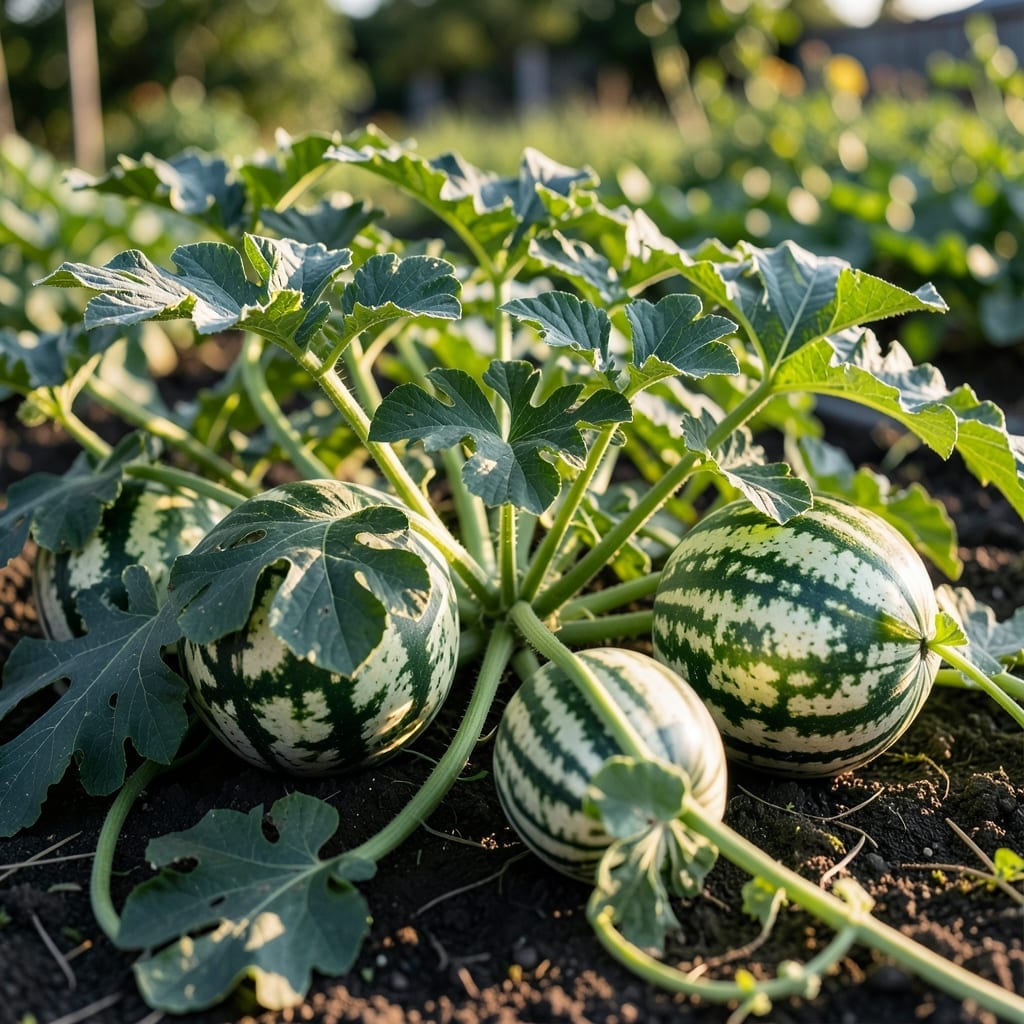
I’ve seen gardeners panic over watermelon leaves turning yellow or developing spots. Most of the time, it’s not a death sentence—just your plant’s way of saying it needs something different.
Whether it’s water, nutrients, or pest pressure, the leaves tell the story. Here’s how to read the signs and keep your plants healthy and productive all season long.
📚 In This Guide
Here is how to identify and safely handle watermelon tree leaves to avoid any risks.
Watermelon tree (Pterocarpus erinaceus) has compound leaves with 5-7 oval leaflets, each 2-4 inches long, arranged alternately along a central stem. The leaves are glossy, dark green above and paler underneath, with a smooth margin. This is the first step—if you’re not sure you’re dealing with this species, don’t proceed.
I always check for the distinctive pinnate leaf structure and the slight reddish tint on new growth. Misidentifying the plant can lead to dangerous assumptions about toxicity. When in doubt, consult a local botanist or use a trusted plant identification app with photo verification.
The leaves of the watermelon tree contain tannins and alkaloids that can cause gastrointestinal distress if ingested in significant quantities. While not as toxic as some other plants, they are not considered edible and should never be consumed raw or in large amounts.
Symptoms of poisoning may include nausea, vomiting, or diarrhea, typically appearing within 2-6 hours of ingestion. I’ve seen cases where livestock experienced mild toxicity after eating fallen leaves, so it’s critical to keep pets and children away from the plant material.
When pruning or handling watermelon tree leaves, always wear protective gloves to prevent skin irritation from sap or leaf residue. The compound leaves can release a slight milky sap when crushed, which may cause contact dermatitis in sensitive individuals.
For disposal, I recommend collecting leaves in a sturdy bag and dispose of them through yard waste services rather than composting—this prevents accidental ingestion by animals. If you’re clearing a large amount, wear long sleeves and a mask to avoid inhaling fine leaf particles, especially in dry, windy conditions.
If you have watermelon trees in your landscape, regularly inspect the area for fallen leaves, especially in autumn when leaf drop is heaviest. I make it a habit to rake and remove leaves promptly to minimize the risk to curious pets or children.
Educate family members about the plant’s non-edible status. I’ve found that placing a small, discreet sign near the tree can serve as a helpful reminder. This is particularly important if you have young children who might explore the garden without supervision.
These practical insights will help you safely identify and manage watermelon tree leaves without risk.
Identification Tip: In Step 1, focus on the distinctive pinnate leaf structure with 5-7 oval leaflets, each 2-4 inches long. The glossy dark green surface with paler undersides is a key visual marker. I’ve found that the slight reddish tint on new growth is particularly telling—this detail often gets overlooked but confirms you’re dealing with Pterocarpus erinaceus.
Safety Protocol: During Step 3, those protective gloves aren’t optional. The milky sap released when crushing compound leaves can cause contact dermatitis in sensitive individuals. I learned this the hard way after developing a rash from handling leaves without protection. Always wear long sleeves when clearing large amounts to avoid skin exposure.
Disposal Strategy: For Step 3’s disposal process, never compost watermelon tree leaves. The tannins and alkaloids persist through decomposition, and animals may still ingest them. Use sturdy bags for yard waste collection, and in dry, windy conditions, add a mask to your protective gear to prevent inhaling fine particles.
Prevention Method: Step 4’s autumn inspection is critical. I make it a weekly habit during leaf drop season to rake and remove fallen leaves promptly. This isn’t just about aesthetics—it’s about preventing accidental ingestion by pets or children who might be drawn to the glossy foliage.
Yes, watermelon tree (Syzygium malaccense) leaves contain compounds that can be toxic if ingested in large quantities. Always avoid consumption and keep them away from pets and children.
Yes! In small amounts, the leaves can be composted. However, avoid excessive use, as their toxicity may affect beneficial microbes. Balance with other organic materials for safe decomposition.
Contact your vet immediately. Symptoms like vomiting or lethargy may appear. Provide details about the quantity ingested for proper guidance.
Wear gloves and place the leaves in sealed yard waste bags. Avoid burning them, as the smoke may carry toxins. Check local regulations for hazardous plant disposal.
Yes! Consider non-toxic plants like mulberry or citrus trees. Always research plant safety before using leaves for mulch or decorative purposes.