
Beautiful Plants For Your Interior
Beautiful Plants For Your Interior
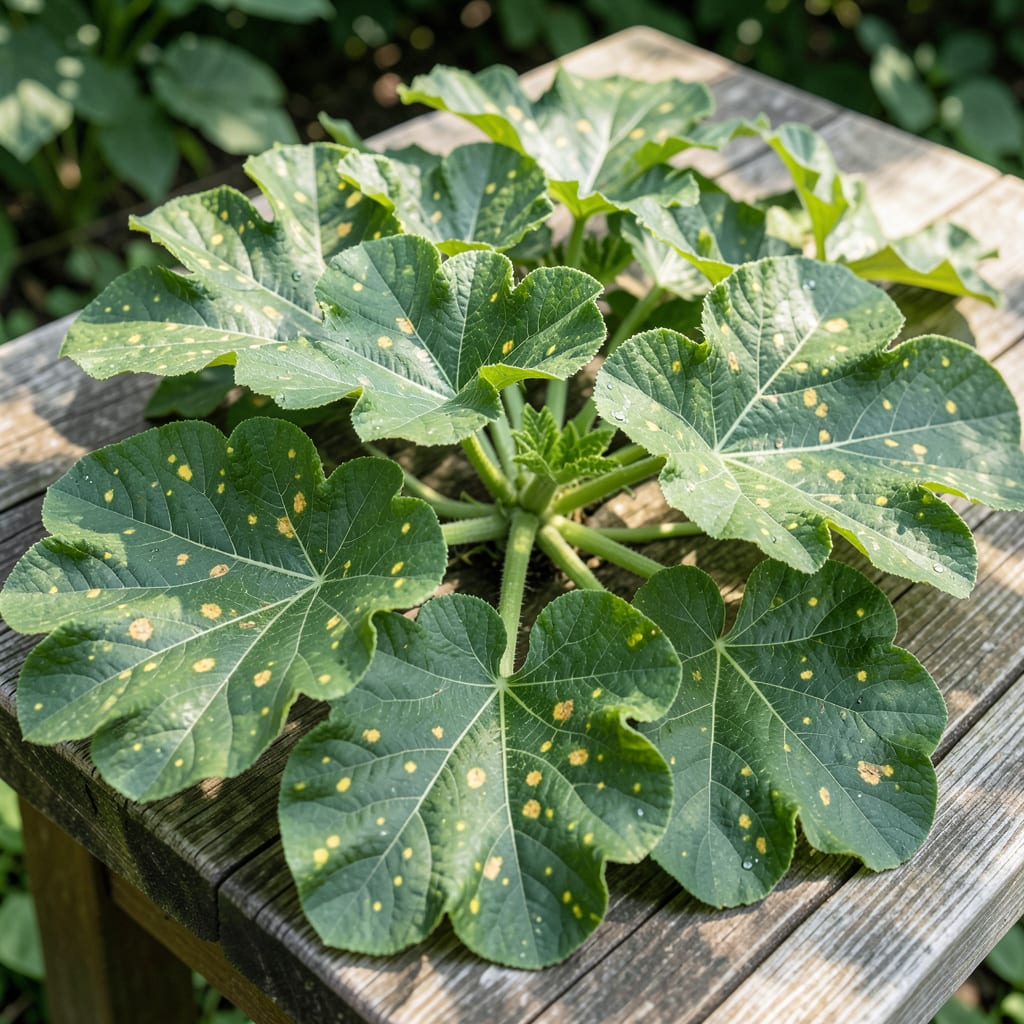
Those yellow spots on your watermelon leaves aren’t just ugly—they’re a warning. I’ve seen entire vines collapse in 48 hours when this goes unchecked, but the good news is you can usually stop the spread with quick action.
Most often, it’s a fungal party crashing your garden. Warm, wet conditions create perfect breeding grounds, and watermelons—with their sprawling leaves—are sitting ducks. The spots start small, then merge into brown, crispy patches that kill foliage fast.
Here’s the thing—this isn’t always a death sentence. With the right treatment at the first sign, your vines can bounce back stronger. I’ve saved entire crops by catching it early and adjusting my approach.
We’ll cover how to confirm the diagnosis, then exactly what to do to save your plants. No guesswork, just tested solutions.
Yellow spots on watermelon leaves often stem from environmental stress or pathogen attacks. Below are the most common causes, explained scientifically for quick diagnosis and action.
Fungi like Alternaria or Cercospora thrive in warm, humid conditions. They produce toxins that disrupt chlorophyll, creating circular yellow or brown spots with dark margins. Spores spread via water splashes or wind, so overhead irrigation worsens outbreaks.
Excess moisture suffocates roots, reducing nutrient uptake. This leads to nitrogen deficiency, manifesting as yellowing between leaf veins (interveinal chlorosis). Compacted or clay-heavy soil exacerbates the issue by trapping water.
Spider mites and aphids pierce leaf cells to feed, injecting salivary enzymes that break down chloroplasts. The result? Tiny yellow stipples that merge into larger spots. Check leaf undersides for webbing (mites) or sticky honeydew (aphids).
Lack of magnesium or potassium triggers uniform yellowing. Magnesium deficiency starts in older leaves, while potassium shortage causes scorched edges. A soil test (pH 6.0–6.8 is ideal) confirms imbalances before amending with Epsom salt or potash.
Here’s how to tackle each underlying cause of yellow spots on your watermelon leaves, with practical fixes and prevention tips to keep your vines thriving.
If powdery mildew or anthracnose is the culprit, act fast. Remove and destroy infected leaves to prevent spread. Apply a copper-based fungicide or neem oil every 7–10 days, especially after rain. Prevention tip: 💡 Space plants for airflow, water at the base (not overhead), and rotate crops yearly to reduce fungal spores in the soil.
Check undersides of leaves for aphids, spider mites, or whiteflies. Blast them off with water or use insecticidal soap. For stubborn pests, introduce beneficial insects like ladybugs. Prevention tip: 🌡️ Encourage natural predators by planting companion flowers (e.g., marigolds) and avoid over-fertilizing, which attracts pests.
Both overwatering and underwatering can cause yellowing. Let the top inch of soil dry between waterings. Use drip irrigation to keep foliage dry. Prevention tip: ✨ Mulch around plants to retain moisture and regulate soil temperature.
Yellow spots often signal a lack of nitrogen, magnesium, or iron. Test your soil and amend with a balanced fertilizer or Epsom salt (for magnesium). Prevention tip: 🎯 Enrich soil with compost before planting and side-dress with organic matter mid-season.
For severe cases, consult a local extension office for tailored advice.
Yes, excess water suffocates roots and reduces nutrient uptake. This often leads to nitrogen deficiency, creating yellow patches between leaf veins.
Fungal spots are usually circular with dark edges, often appearing after wet weather. Check for powdery mildew or anthracnose signs under leaves.
Yes, prune infected leaves immediately to stop the spread. Destroy them—don’t compost—to prevent reinfection.
Test your soil first. For quick fixes, use Epsom salt for magnesium or a balanced fertilizer for nitrogen.
