
Beautiful Plants For Your Interior
Beautiful Plants For Your Interior
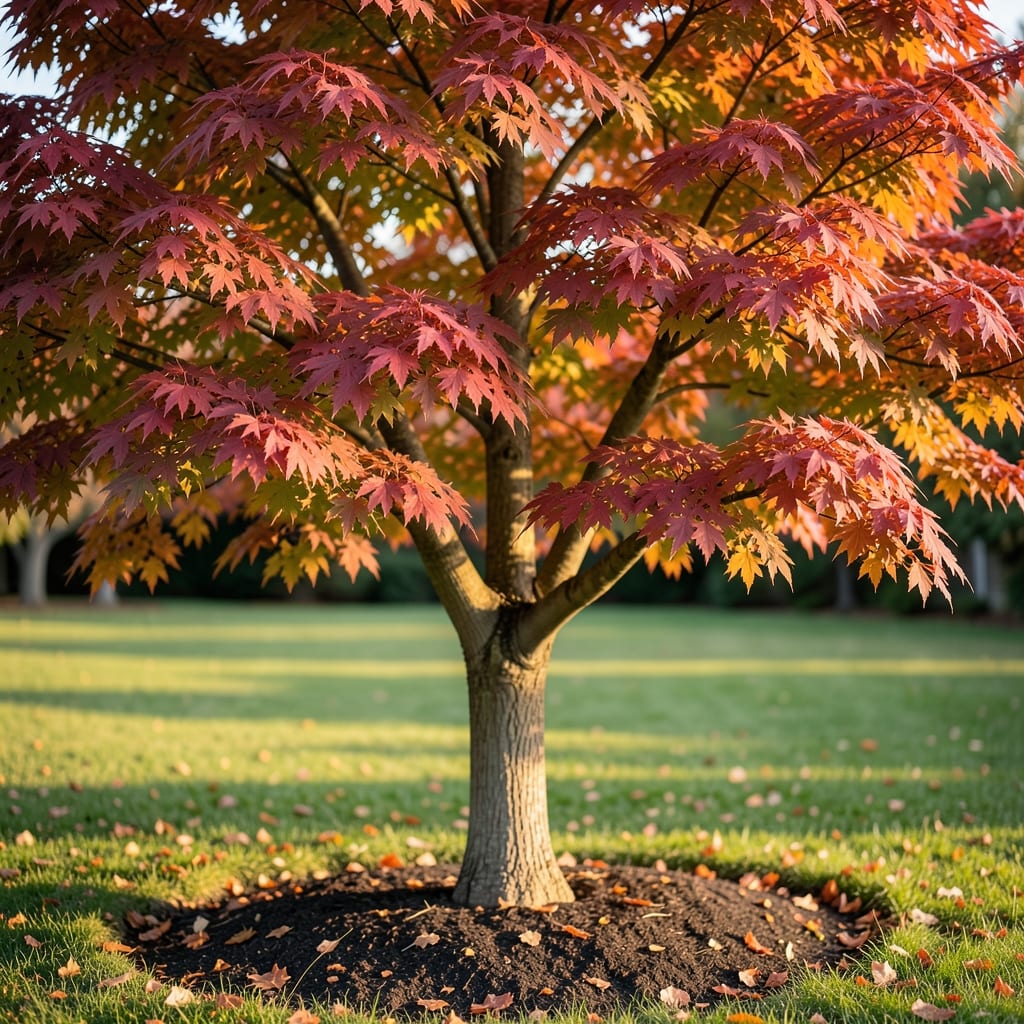
Autumn leaves aren’t just pretty—they’re free garden gold. I used to rake and bag them until I realized they’re the easiest way to improve soil, suppress weeds, and protect plants through winter.
Shred them for mulch, toss them in compost, or let them decompose right on the lawn. By spring, they’ll have transformed into nutrients that save you time and money. No special tools needed.
📚 In This Guide
Here’s my simple, foolproof method for keeping your yard tidy while preserving nature’s beauty.
Walk your property to identify areas with heavy leaf accumulation. I always start with the lawn first since thick layers can smother grass if left too long. You’ll need a sturdy rake, leaf bags, and a tarp for efficient collection.
Check the weather forecast before beginning—dry leaves rake much easier than damp ones. The ideal time is a calm, sunny afternoon when leaves are crisp. You’ll know they’re ready when they crunch satisfyingly underfoot rather than sticking together.
Begin raking from the outer edges of your yard toward the center, creating manageable piles. Work in sections no wider than 3-4 feet to maintain control. I’ve found that raking against the wind direction prevents leaves from blowing back over cleared areas.
Use a tarpaulin as a mobile collection spot—drag it along as you work to minimize bending. You’ll see your progress clearly when the grass reappears in neat stripes behind your rake. Avoid raking when leaves are wet, as they’ll clump together and make the job twice as hard.
For a perfectly manicured look, bag the leaves for removal. But I recommend considering alternative uses—shredded leaves make excellent mulch for garden beds. You can run over dry piles with a lawn mower to create fine leaf mold that decomposes quickly.
If you have wooded areas, simply rake leaves into natural depressions where they’ll break down over winter. This returns nutrients to the soil while providing habitat for beneficial insects. The leaves should decompose completely by spring if spread in 2-3 inch layers.
After the main cleanup, use a leaf blower or broom to clear porches, walkways, and driveway edges. Pay special attention to gutters and downspouts—clogged drainage can cause serious problems during winter rains.
Schedule a second pass in 1-2 weeks as late-falling leaves continue to drop. You’ll find this final cleanup goes much faster. Store your tools properly after use—a quick rinse and dry prevents rust on metal rake heads and extends their lifespan significantly.
Here are some practical insights to make your leaf cleanup easier and more effective.
Weather Timing: Always check the forecast before starting. Dry, sunny afternoons are ideal because leaves are crisp and easier to rake. Damp leaves stick together and make the job much harder, so avoid rainy or dewy mornings.
Work in Sections: In Step 2, stick to sections no wider than 3-4 feet as directed. This keeps the task manageable and prevents you from feeling overwhelmed. Raking smaller areas also helps you see progress quickly, which keeps motivation high.
Tool Care: After finishing, take the extra 5 minutes to rinse and dry your rake. This simple step prevents rust and extends the life of your tools, saving you money in the long run.
Repurposing Tip: For Step 3, if you choose to mulch, spread leaves in 2-3 inch layers as recommended. This thickness ensures they decompose efficiently over winter without smothering the soil underneath.
Peak leaf drop varies by region, but most areas see the highest volume in late October to early November. Cooler climates may start earlier, while warmer zones could peak in early December.
Shred and compost them to create nutrient-rich mulch or use as a protective layer for plants over winter. Avoid thick piles, as they can smother grass or trap moisture.
Use a leaf blower for quick removal or a tarp to collect piles efficiently. A rake works well for smaller areas, and a lawn mower with a bagger can shred and collect leaves simultaneously.
Yes, if left unchecked. A thick layer can block sunlight, trap moisture, and promote mold or disease. Remove them promptly to keep your lawn healthy.
Check local regulations first—many areas prohibit leaf burning due to air pollution. Safer alternatives include composting or bagging them for yard waste pickup.