
Beautiful Plants For Your Interior
Beautiful Plants For Your Interior
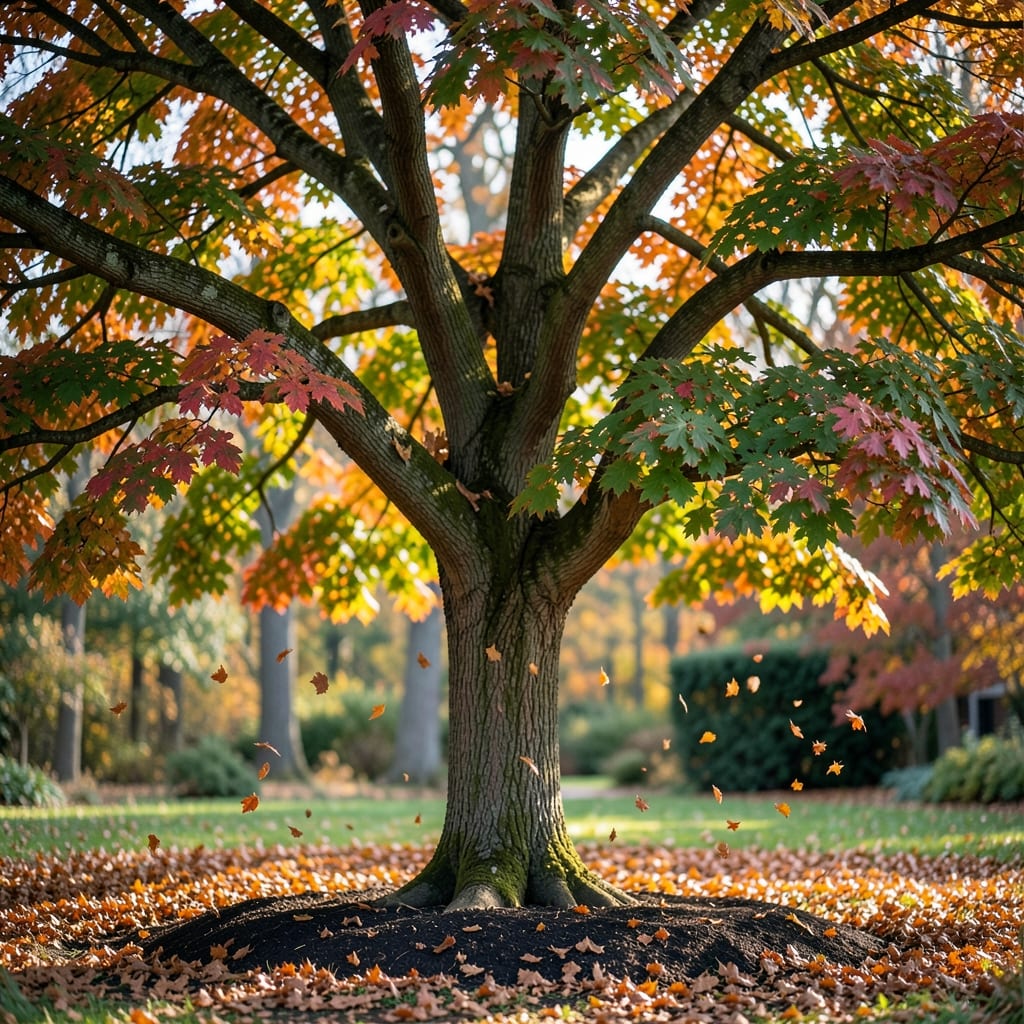
Autumn paints my yard in gold and crimson every year. Falling leaves aren’t just pretty—they’re free garden gold if you know how to use them.
I’ve turned rake piles into rich compost and protective mulch that saves my soil through winter. The key is working with nature, not against it, to prep your space for next season.
📚 In This Guide
Here’s the simple approach I use every autumn to make the most of this colorful season.
Start by taking a moment to notice how the leaves change color and fall. This usually happens when temperatures drop to 40-50°F at night. The cooler air triggers trees to stop producing chlorophyll, revealing the reds, oranges, and yellows hidden beneath.
I like to walk through my yard or a nearby park and watch the progression. You’ll see the most vibrant colors on sunny days after a cool night. This natural cycle is beautiful and also a sign that it’s time to start thinking about cleanup.
Begin raking leaves when they start accumulating on the lawn. A light layer can actually protect grass from frost, but anything thicker than 1 inch blocks sunlight and traps moisture, which can lead to disease.
I use a sturdy rake and work in sections, gathering leaves into piles. If you have a large yard, consider using a leaf blower for efficiency. Aim to remove leaves at least once a week during peak fall to keep your lawn healthy.
Instead of bagging and disposing of leaves, turn them into valuable resources. Shred them with a mulching mower or by running over piles with a lawn mower. The smaller pieces break down faster and won’t mat together.
Spread a 2-3 inch layer of shredded leaves around trees, shrubs, and garden beds to protect roots from freezing temperatures. You can also add them to your compost pile—they’re rich in carbon and balance out green materials like grass clippings.
Some plants, especially small perennials or ground covers, can be smothered by thick layers of leaves. Check areas where leaves tend to collect, like around the base of shrubs or in garden corners.
Gently remove excess leaves by hand or with a leaf blower on a low setting. Be careful not to damage stems or roots in the process. I’ve found that a quick daily check during heavy leaf drop prevents problems later.
As the season progresses, leaves can clog gutters, downspouts, and drainage areas. This can cause water to pool and freeze, leading to ice dams or flooding. Clear these areas regularly, especially before heavy rain or snow.
I also make sure walkways and driveways are free of leaves to prevent slipping hazards. A final rake or blow through these areas before winter sets in saves time and effort later.
Small details make a big difference when enjoying autumn’s beauty and protecting your yard.
The Temperature Factor: When nighttime temperatures drop to 40-50°F, that’s your signal to start observing leaf changes. The cooler air triggers the color transformation, and sunny days after these cold nights reveal the most vibrant reds, oranges, and yellows.
Raking Strategy: In Step 2, remember that a light layer of leaves can actually protect your grass from frost. But when they accumulate beyond 1 inch, it’s time to rake. Anything thicker blocks sunlight and traps moisture, which can damage your lawn.
Mulching Technique: For Step 3, shredding leaves with a mulching mower creates smaller pieces that break down faster. When spreading as mulch, aim for that 2-3 inch layer around trees and garden beds—this thickness perfectly insulates roots without smothering them.
Plant Protection: Step 4 is crucial for delicate plants. Check daily during heavy leaf drop, especially around shrubs and garden corners where leaves collect. A leaf blower on low setting works well, but hand removal is safest for sensitive perennials.
Leaves fall due to changes in daylight and temperature. Trees prepare for winter by shedding leaves to conserve water and energy. This process, called abscission, is triggered by hormonal changes as days grow shorter.
Rake leaves in early to mid-fall when they’re dry and crisp. Avoid waiting too long, as wet leaves can smother your lawn. Aim for a dry, breezy day to make the task easier and more effective.
Yes! Shred dry leaves and use them as mulch to protect garden beds or add them to compost. Avoid thick layers, as they can mat and block airflow. Mix with green materials like grass clippings for balanced compost.
Install gutter guards to block debris while allowing water to flow. Regularly clean gutters, especially in peak fall. Trim overhanging branches to reduce the amount of leaves that land on your roof and gutters.