
Beautiful Plants For Your Interior
Beautiful Plants For Your Interior
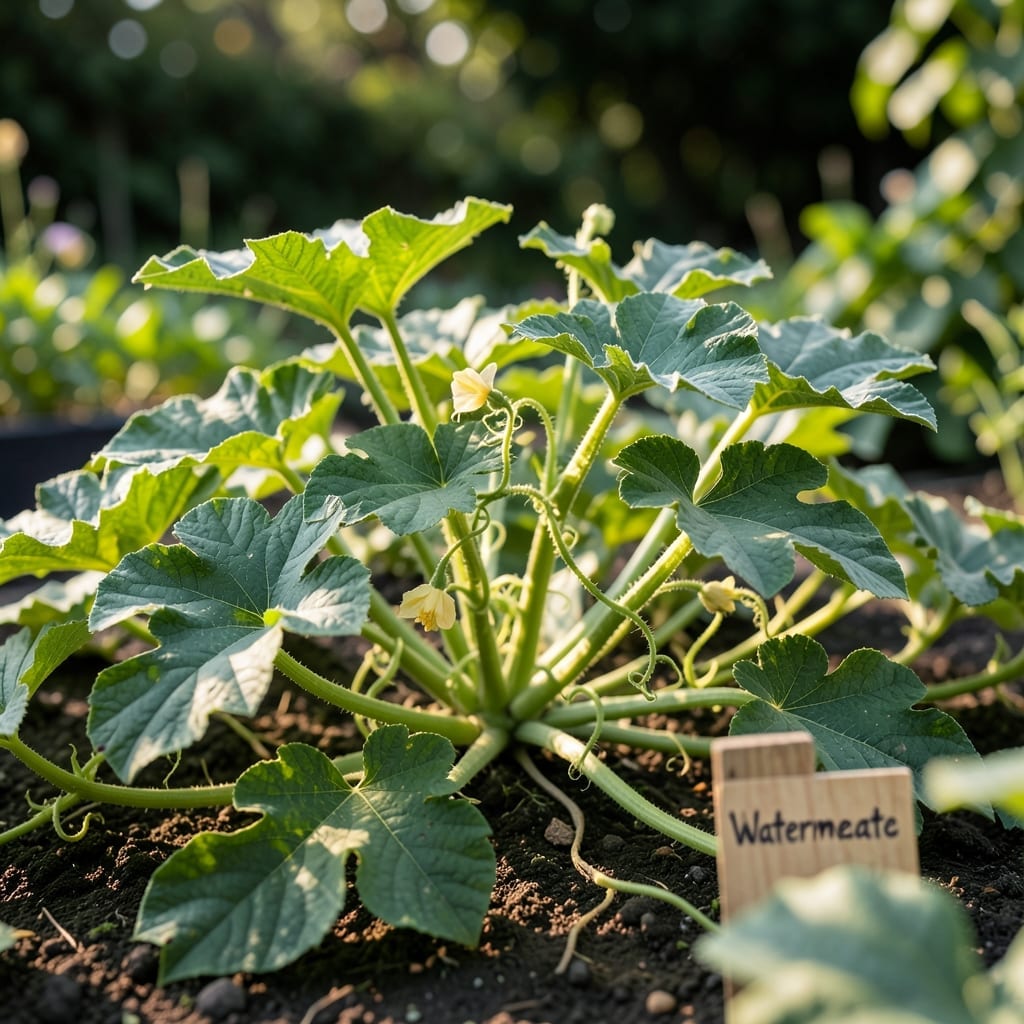
Spotted yellow leaves on your watermelon vines mean trouble. I’ve seen healthy plants turn sickly overnight when pests or disease strike, and early action saves the harvest.
This visual guide helps you match leaf symptoms to the right problem. From powdery mildew to cucumber beetle damage, each issue has a distinct look that’s easier to spot when you know what to compare.
You’ll learn to tell normal aging from serious threats before they spread. Clear images and simple descriptions make diagnosis fast and accurate.
With the right treatment, your vines can recover and still produce sweet, ripe fruit. Let’s identify what’s wrong and fix it.
Watermelon leaves can exhibit discoloration, spots, or wilting for several scientific reasons. Understanding these causes helps in early diagnosis and treatment. Below are the primary factors behind abnormal watermelon leaf appearances, often captured in diagnostic images.
Pathogens like Alternaria or Powdery Mildew thrive in humid conditions, leading to dark spots or white powdery coatings on leaves. These fungi disrupt photosynthesis by blocking light absorption.
Extreme heat, drought, or waterlogging can trigger leaf yellowing or browning. Stress reduces chlorophyll production, visible as pale or necrotic patches in images.
Lack of nitrogen, magnesium, or potassium often manifests as interveinal chlorosis (yellowing between veins) or leaf curling. Soil tests can confirm imbalances.
Insects like aphids or spider mites pierce leaf tissues, causing stippling or curling. Their feeding also spreads viral diseases, which may appear as mottled patterns in leaf images.
If your watermelon plants are showing signs of trouble, these practical fixes can help restore their health. Below are targeted solutions for common problems, along with prevention tips to keep your garden thriving.
Yellow leaves often signal a nitrogen or magnesium deficiency. Fix: Apply a balanced fertilizer (10-10-10) or add compost to the soil. For magnesium, use Epsom salt (1 tablespoon per gallon of water) as a foliar spray. Prevention: Test soil before planting and amend as needed.
Under or overwatering can cause wilting. Fix: Water deeply 1-2 times per week (1-2 inches per session) and ensure proper drainage. Mulch around plants to retain moisture. Prevention: Use a moisture meter to monitor soil hydration levels.
Aphids, beetles, or spider mites may chew leaves. Fix: Spray with neem oil or insecticidal soap, or introduce ladybugs as natural predators. Prevention: Rotate crops and remove garden debris to deter pests.
Dark or powdery spots indicate fungal infections. Fix: Remove infected leaves immediately and apply a copper-based fungicide. Prevention: Space plants for airflow and avoid overhead watering.
💡 Pro Tip: Regularly inspect leaves for early signs of trouble—early action is key to saving your crop!
Healthy leaves are deep green with a slightly rough texture and no spots. They should feel firm and appear vibrant under sunlight.
Disease yellowing often appears between veins or spreads quickly. Natural aging starts at the base and progresses slowly upward.
Not always. Brown spots can also come from water stress, pest damage, or nutrient burn. Check for other symptoms to confirm.