
Beautiful Plants For Your Interior
Beautiful Plants For Your Interior
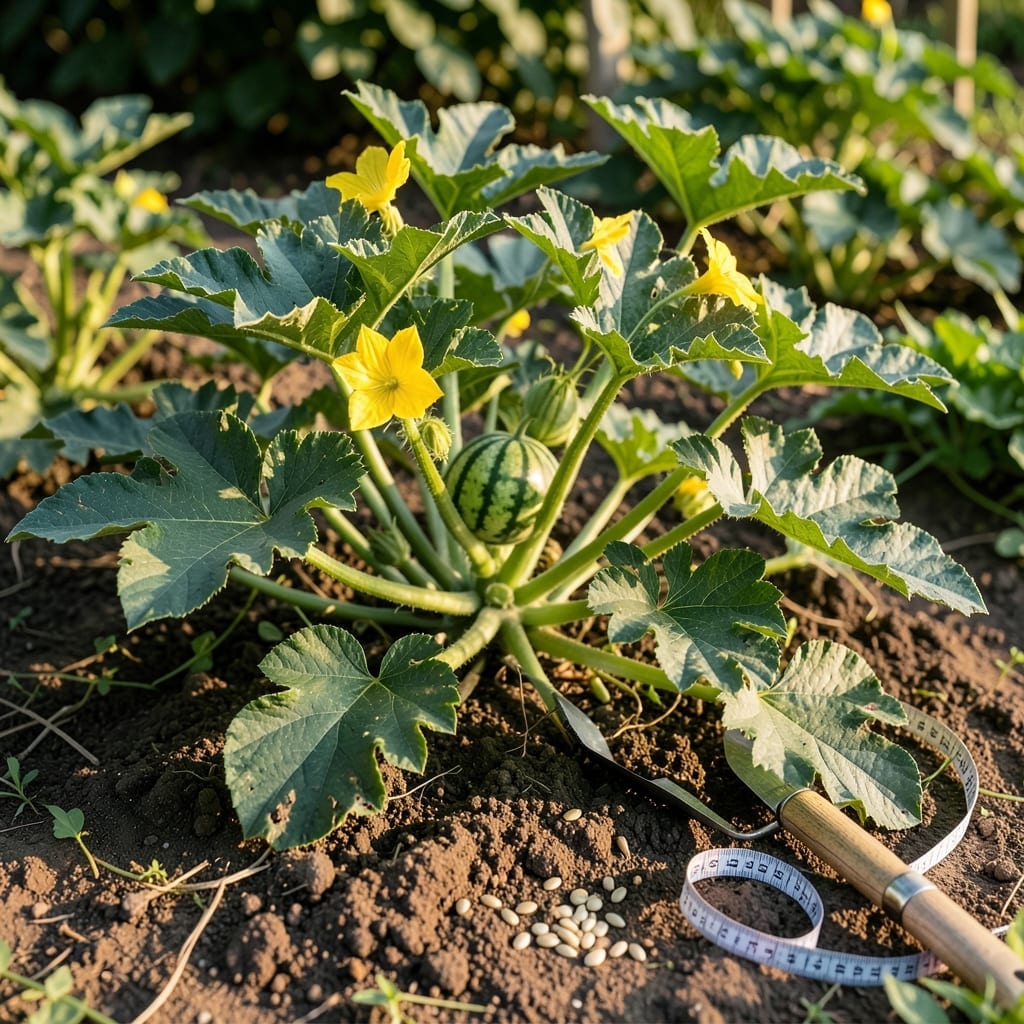
Proper spacing in your 🍉 Watermelon patch can make or break your harvest. I’ve seen gardeners struggle with overcrowded vines that choke each other out.
Getting the distance right ensures healthy growth and bigger fruits. Whether you’re planting in rows or raised beds, this step is non-negotiable.
In Zone 6, where the growing season runs from April to June, the right layout prevents disease and maximizes yield. It’s not just about space—it’s about strategy.
Discover how to arrange your Watermelon plants for the best results, no matter your garden size. Let’s get started.
Getting watermelon garden spacing right is crucial for healthy vines and big harvests. I’ve seen too many gardeners struggle with overcrowded plants that compete for sunlight and nutrients. Proper spacing ensures good air circulation, reducing disease risks like powdery mildew.
Different watermelon varieties have unique needs. Vining types need more room to sprawl, while bush varieties can handle tighter spaces. Even mini watermelons require careful planning to thrive.
| Variety | Plant-to-Plant Spacing | Row Spacing |
|---|---|---|
| Vining | 5-6 ft | 6-8 ft |
| Bush | 3-4 ft | 5-6 ft |
| Mini | 2-3 ft | 4-5 ft |
| Hills | 2-3 plants/hill | 5-6 ft between hills |
For raised beds, I recommend slightly tighter spacing. You can reduce distances by 1-2 ft since the soil is often richer and better-drained. Just ensure vines still have room to spread naturally without tangling.
Air circulation is key to preventing fungal diseases. When plants are too close, moisture lingers on leaves, creating perfect conditions for mildew and rot. I always leave extra space in humid climates.
Sunlight access is another critical factor. Watermelons need full sun (6-8 hours daily). Overcrowding causes shading, which stunts growth and reduces fruit size. I’ve learned this the hard way with smaller yields.
In hills planting method, group 2-3 seeds together, then thin to the strongest plant. Space hills 5-6 ft apart in all directions. This method works well for traditional garden rows and improves drainage.
For container gardening, choose compact varieties like ‘Sugar Baby’ or ‘Bush Champion’. Use containers at least 5 gallons in size and space plants 2-3 ft apart on patios or balconies.
Remember, vine length varies by variety. Some can stretch 10-15 ft, while bush types stay under 3-4 ft. Always check seed packets for specific maturity sizes to plan accordingly.
I’ve found that marking spacing with strings or stakes before planting helps visualize the layout. This simple step prevents the temptation to overplant and ensures each vine gets its needed space.
Finally, companion planting can help maximize space. Pair watermelons with corn or sunflowers for natural trellising, or interplant with radishes to deter pests. Just keep companions from competing for nutrients. 🌱
I’ve seen many gardeners struggle with watermelon spacing mistakes that lead to stunted growth and poor harvests. Overcrowding is the most common issue, as vines compete for sunlight and nutrients when planted too close together.
Another frequent error is ignoring the vine spread of different watermelon varieties. Large vining types can stretch 10-20 feet, while bush varieties stay more compact.
⚠️ Avoid These Spacing Pitfalls
Planting too close causes disease spread and small fruits. Always check seed packet guidelines for your specific variety.
Under-spacing can also lead to poor air circulation, which invites fungal diseases like powdery mildew. I always recommend leaving extra room between plants for better airflow and easier maintenance.
Don’t forget about row spacing either. Even if plants are properly spaced within rows, narrow rows can still cause problems as vines grow and overlap into adjacent rows.
For raised beds, many gardeners make the mistake of overplanting to maximize space. But watermelons need room to sprawl, so I suggest using trellises or limiting to 1-2 plants per 4×8 foot bed.
Lastly, remember that soil quality affects spacing needs. In rich, fertile soil, you can space plants slightly farther apart since they’ll have better access to nutrients and grow more vigorously.☀️