
Beautiful Plants For Your Interior
Beautiful Plants For Your Interior
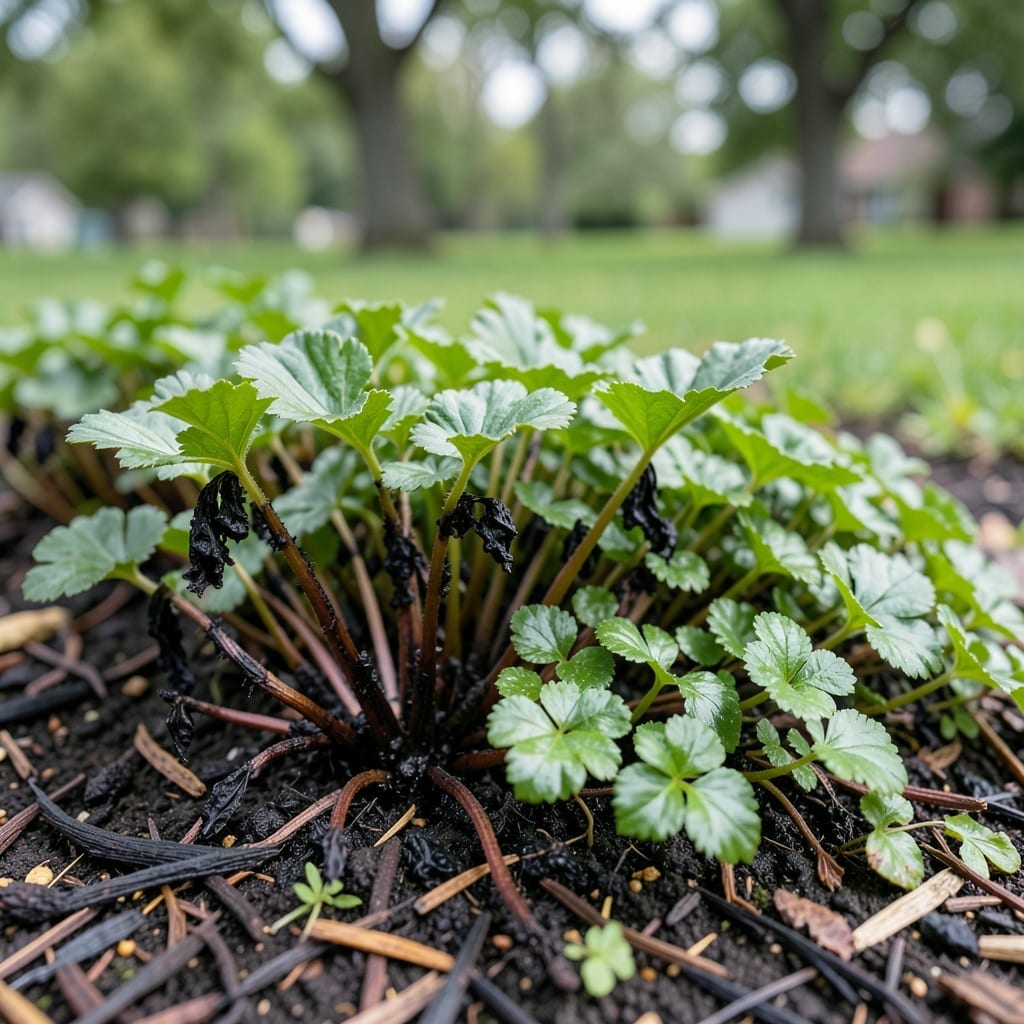
I noticed the first brown patches in my pachysandra last spring. What started as small, discolored spots spread fast, turning healthy ground cover into a dying mess. Volutella blight moves quickly, but catching it early makes all the difference.
This fungus thrives in wet conditions, often appearing after rainy weeks or poor drainage. The leaves develop dark brown or black spots with yellow halos, then wilt and die. It’s frustrating, but I’ve found organic solutions that actually work without harsh chemicals.
With the right approach, you can stop the spread and nurse your pachysandra back to health. Pruning affected areas, improving airflow, and using natural fungicides can save your plants. The key is acting before it takes over.
Prevention is simpler than treatment. Proper spacing, good drainage, and regular cleanup keep this blight from returning. Your pachysandra can bounce back stronger than before.
Volutella blight in Pachysandra thrives under specific conditions that stress the plant or create an ideal environment for the fungal pathogen Volutella pachysandricola. Below are the primary causes, explained with actionable insights to help you prevent its onset.
This fungal disease flourishes in consistently wet conditions. Overwatering, poor soil drainage, or prolonged periods of rain create a damp environment that encourages fungal spore germination. Pachysandra planted in low-lying areas or heavy clay soils is especially vulnerable. To mitigate this, ensure your planting site has well-draining soil and avoid overhead watering to keep foliage dry.
Dense Pachysandra beds with poor air circulation trap humidity around the leaves, promoting fungal growth. The pathogen spreads rapidly in such conditions, moving from plant to plant through direct contact. Thin out overgrown patches to improve airflow, and space new plantings at least 6–12 inches apart to reduce risk.
The fungus Volutella pachysandricola overwinters in dead leaves and stems, lying dormant until conditions are favorable. Failing to remove infected plant debris allows the pathogen to persist in the soil and reinfect healthy plants. Regularly clean up fallen leaves and prune diseased stems to eliminate potential sources of infection.
Pachysandra under stress—whether from drought, extreme heat, or nutrient deficiencies—is more susceptible to Volutella blight. Weakened plants lack the vigor to fend off fungal attacks. Maintain plant health with consistent watering (without overdoing it), mulching to retain moisture, and a balanced fertilizer to bolster resistance.
Volutella blight can be managed effectively with the right approach. Below are practical solutions tailored to specific causes, along with prevention tips to keep your pachysandra healthy.
If you spot brown, wilting leaves or stem cankers, act fast. Prune and remove all infected plant parts using sterilized shears to prevent the fungus from spreading. Dispose of the debris away from your garden—never compost it, as the pathogen can survive and reinfect.
Dense, wet foliage is a breeding ground for Volutella pachysandrae. Thin out overcrowded plants to allow airflow and reduce humidity. Space pachysandra at least 12–18 inches apart, and avoid planting in shaded, poorly ventilated areas.
Overhead watering wets the leaves, encouraging fungal growth. Switch to drip irrigation or water at the base of the plant early in the day so foliage dries quickly. Avoid watering in the evening or during rainy periods.
For severe cases, use copper-based fungicides or neem oil as a protective spray. Apply every 7–10 days during wet seasons, following label instructions. Always test on a small area first to avoid plant damage.
Consistency is key—combine these steps to stop the spread and restore your pachysandra’s vigor!
Early symptoms include dark brown or black spots on leaves with yellow halos. Leaves may wilt and die back from the tips. Check stem bases for cankers as the disease progresses.
Yes, if caught early. Remove infected parts immediately and apply copper fungicide. Improve airflow and reduce moisture to help recovery.
Volutella blight is host-specific to pachysandra. However, the fungus thrives in wet conditions, so keep the area clean to prevent other issues.
Check weekly during wet seasons. Focus on lower leaves and stem bases where moisture collects. Early detection prevents major outbreaks.