
Beautiful Plants For Your Interior
Beautiful Plants For Your Interior
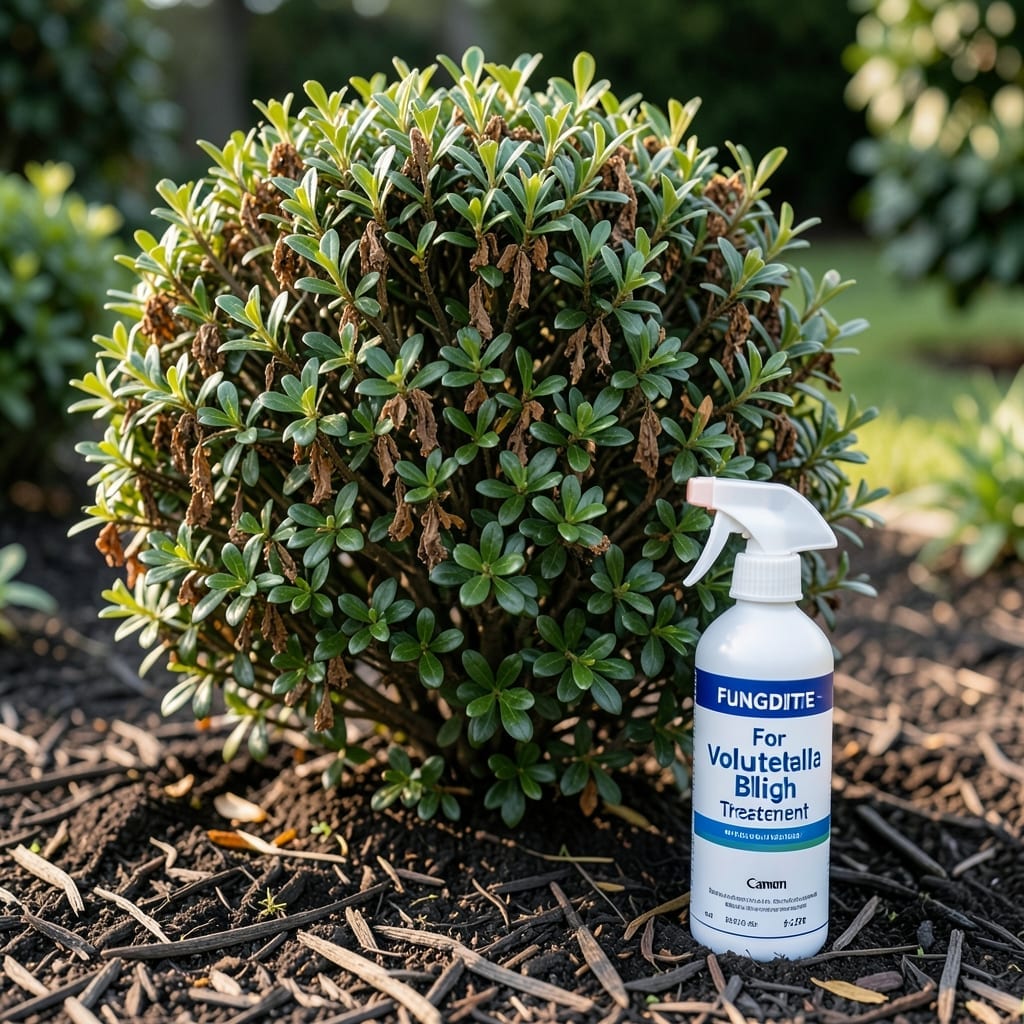
Blackened stems and sudden wilting hit my pachysandra hard last spring. Volutella blight moves fast, but catching it early changes everything. I learned the hard way that ignoring those first brown spots means losing entire beds.
This fungus thrives in wet conditions, spreading through splashing water and contaminated tools. The key is acting before it jumps from one plant to the next. I now inspect my boxwoods and pachysandra weekly during rainy spells.
Treatment isn’t complicated—remove infected parts immediately and apply the right fungicide. My garden bounced back within 3 weeks after starting this approach. The difference between panic and control is knowing exactly what to do.
Prevention beats cure every time. Proper spacing, morning watering, and clean tools stop this disease before it starts. Here’s how to keep your plants safe.
Volutella blight is a fungal disease that thrives under specific environmental and cultural conditions. Understanding its root causes helps in both prevention and treatment.
This disease flourishes in high humidity and wet foliage. Overhead watering, poor drainage, or prolonged rain creates the perfect breeding ground for Volutella fungi. Fungal spores spread rapidly in damp environments, infecting leaves, stems, and flowers.
Volutella fungi are most active in moderate to warm temperatures (60–80°F). These conditions accelerate spore germination and infection, especially when combined with moisture. Greenhouses or shaded, poorly ventilated areas are high-risk zones.
Dense plantings or crowded garden beds restrict airflow, allowing moisture to linger on foliage. Stagnant air promotes fungal growth, making plants more susceptible to Volutella blight. Pruning and proper spacing are key to reducing this risk.
The fungus overwinters in dead leaves, stems, and soil. If infected plant debris isn’t removed, spores can reinfect healthy plants in the next growing season. Sanitation is critical to breaking the disease cycle.
Some plants, like Pachysandra and Boxwood, are particularly vulnerable. Genetic susceptibility plays a role, so choosing resistant varieties or proactive fungicide use can mitigate outbreaks.
Tackling volutella blight starts with quick action and the right approach. Below are targeted solutions based on the root causes, along with prevention tips to keep your plants healthy long-term.
If you spot dark, sunken lesions or wilting leaves, a copper-based fungicide or neem oil can stop the fungus in its tracks. Apply at the first sign of infection, following the product’s instructions. For severe cases, remove and destroy infected plant parts to prevent spread. Pro tip: 💡 Always apply fungicides in the early morning or late evening to avoid leaf burn.
Dense foliage traps moisture, creating a perfect environment for volutella blight. Thin out crowded areas by pruning excess growth and spacing plants properly. This boosts air circulation, reducing humidity and fungal risks. Pro tip: 🌬️ Use stakes or trellises for vining plants to keep them elevated and airy.
Overwatering and poor drainage invite fungal diseases. Water at the base of the plant, not the leaves, and use drip irrigation if possible. Ensure pots have drainage holes, and avoid letting plants sit in saucers of water. Pro tip: 🌧️ Water early in the day so foliage dries quickly in the sun.
Fungal spores linger in fallen leaves and dead plant matter. Regularly remove debris from the soil and surrounding areas. Sterilize pruning tools with rubbing alcohol after each use to avoid spreading the fungus. Pro tip: 🧹 Replace mulch annually, as old mulch can harbor pathogens.
Apply copper-based fungicide every 7-10 days during wet weather. For prevention, a monthly application is sufficient. Always follow product instructions for best results.
Neem oil or baking soda spray can work for mild cases. Mix 1 tablespoon baking soda with 1 gallon water and a drop of soap. Apply weekly for best protection.
Early morning or late evening is ideal. This prevents leaf burn from sun exposure. Avoid applying in midday heat or when rain is forecast within 24 hours.
Look for new growth and stopped spread of lesions after 2-3 weeks. If symptoms persist or worsen, switch to a stronger fungicide or improve cultural practices.