
Beautiful Plants For Your Interior
Beautiful Plants For Your Interior
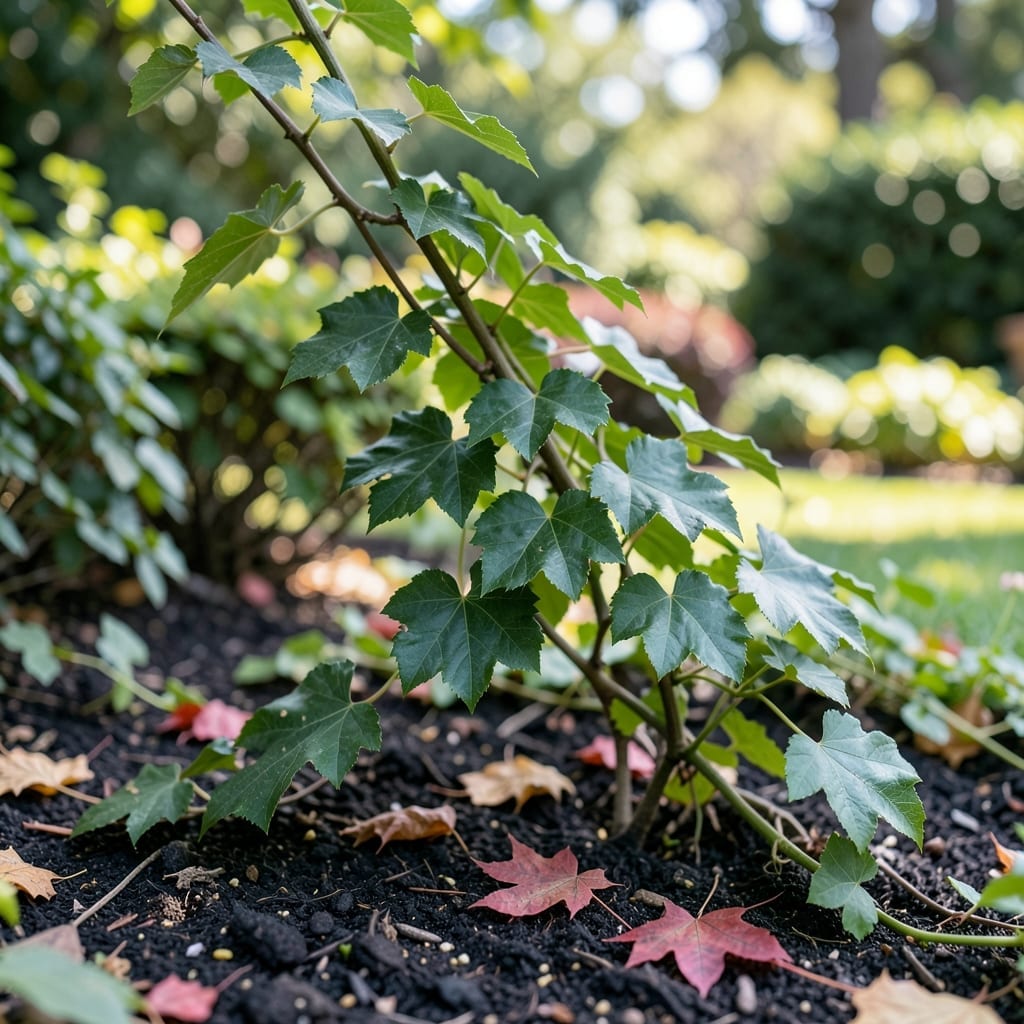
Those deep lobes and rugged edges make oakleaf vines instantly recognizable. I first fell for these plants when one transformed my bare fence into a lush green curtain in a single season.
Virginia creeper and oakleaf ivy thrive with minimal fuss—just give them a sturdy support and partial shade. They climb 20 feet or more, adapting to walls, trellises, or even ground cover.
What hooked me was watching the leaves shift from bright green to fiery red in fall. The texture feels almost leathery, and the vines hold up better than most in heat.
Perfect for hiding eyesores or adding height to flat spaces. Here’s how to get them established and thriving.
The distinctive oak-like leaves on certain vines result from evolutionary adaptations, genetic traits, and environmental influences. Below are the primary causes, explained scientifically yet accessibly.
Some vines, like Clematis or Virginia Creeper, develop lobed leaves resembling oak foliage as a survival strategy. This mimicry can deter herbivores by associating the vine with less palatable oak trees, reducing predation.
Certain vine species naturally produce deeply lobed leaves due to their genetic makeup. For example, Parthenocissus (Boston Ivy) inherits leaf shapes that mirror oak lobes, a trait selected over generations for optimal sunlight capture in forested environments.
Light availability and climate drive leaf morphology. Vines in partial shade may grow broader, oak-like leaves to maximize photosynthesis, while those in sunnier spots develop simpler shapes. Nutrient-rich soil can also enhance leaf complexity.
Selective breeding by gardeners favors vines with ornamental, oak-resembling foliage. Varieties like Vitis ‘Oak Leaf’ are cultivated specifically for their striking, lobed leaves, blending aesthetics with hardiness.
When your vine with oak-like leaves isn’t thriving, targeted solutions can restore its health. Below are practical fixes for the most common problems, along with prevention tips to keep your plant lush and vibrant.
Yellow leaves often signal overwatering or poor drainage. To fix this, check the soil: if it’s soggy, repot the vine in a well-draining mix with perlite or sand. Ensure the container has drainage holes. Prevention tip: Water only when the top inch of soil is dry.
If your vine isn’t growing, it may lack sunlight or nutrients. Move it to a spot with bright, indirect light (4–6 hours daily). Fertilize every 4–6 weeks in spring/summer with a balanced, water-soluble fertilizer. Prevention tip: Rotate the plant occasionally for even light exposure.
Brown spots can indicate fungal issues or low humidity. Prune affected leaves and increase airflow around the plant. Mist the leaves regularly or use a humidity tray. Prevention tip: Avoid wetting the foliage when watering to reduce fungal risks.
Common pests like aphids or mealybugs can weaken the vine. Wipe leaves with a neem oil solution (1 tsp oil + 1L water + a drop of dish soap) or introduce beneficial insects like ladybugs. Prevention tip: Inspect leaves weekly and isolate new plants to prevent infestations.
With these fixes, your oak-leaf vine will bounce back—just stay consistent and observant! 🌿
These vines thrive in partial shade to full sun with well-draining soil. 4-6 hours of sunlight daily is ideal. Keep soil consistently moist but not soggy for best results.
Most varieties climb 10-20 feet in a single growing season with proper support. Growth slows in cooler months but resumes vigorously in spring.
Virginia creeper is generally deer resistant, but young shoots may still be nibbled. Use protective netting for new plantings until established.
Yes, but choose a large pot with drainage holes. Dwarf varieties like oakleaf ivy do best. Repot every 2-3 years to refresh soil.