
Beautiful Plants For Your Interior
Beautiful Plants For Your Interior
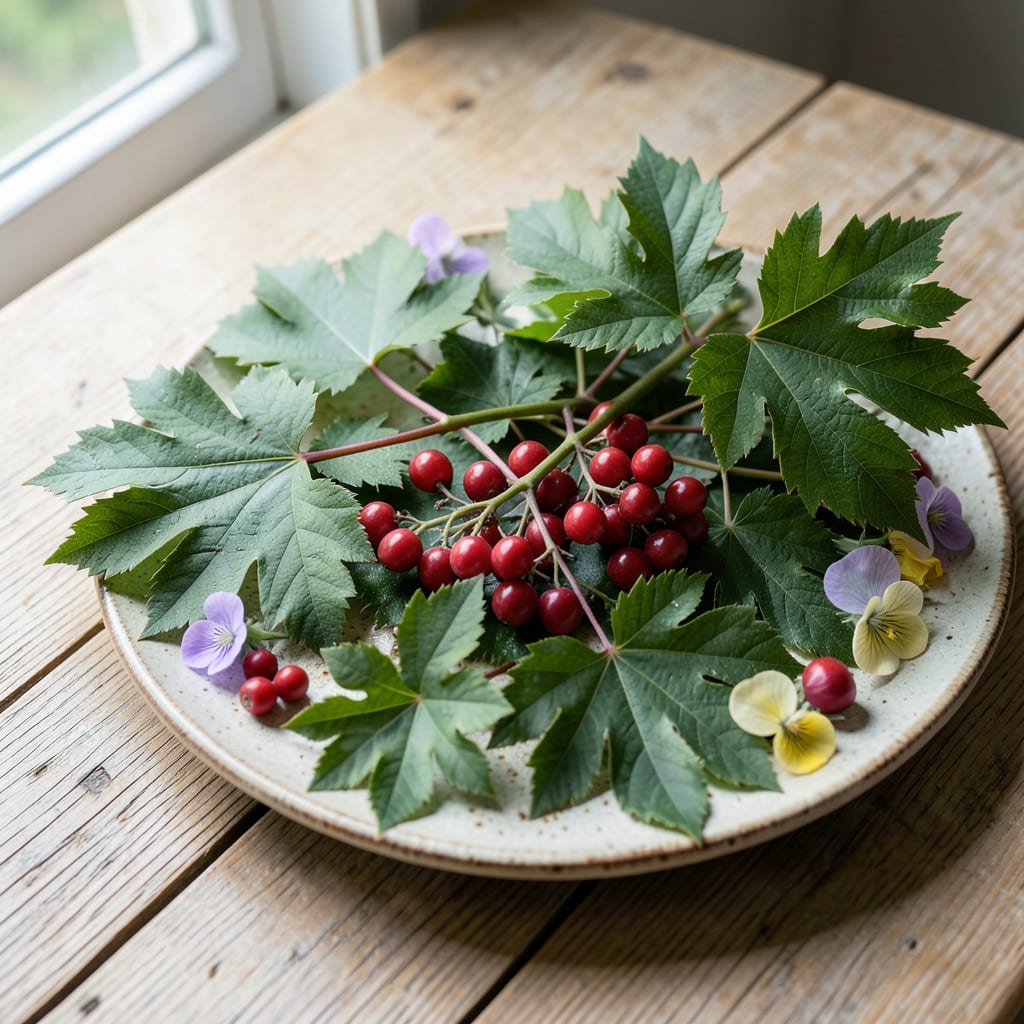
That vine with hand-shaped leaves caught my eye in every garden I visited. 🌿 I finally identified the pattern—palmate leaves spread like fingers from a single point, creating a tropical look that transforms any space.
Most of these climbers grow fast with the right support. I’ve seen them cover a 6-foot trellis in a season when given full sun and consistent water. The key is matching the variety to your climate and soil.
Once established, they need minimal care—just occasional pruning to keep them in bounds. The payoff is a lush, green canopy that feels like a private retreat.
Works for arbors, fences, or even containers if you pick a compact type. Here’s how to get it right.
The development of vines with palmate leaves is primarily driven by genetic adaptation, environmental conditions, and evolutionary advantages. Below are the key causes behind this distinctive growth pattern.
Many vines with palmate leaves belong to plant families like Vitaceae (grape) or Cucurbitaceae (gourd). These species have evolved palmate foliage as a genetic trait to maximize light absorption and nutrient efficiency. The broad, multi-lobed structure allows for greater surface area, enhancing photosynthesis in shaded or competitive environments.
Vines thrive in environments where they must climb to reach sunlight. Palmate leaves help distribute weight evenly, reducing strain on the plant as it scales trees, fences, or trellises. In humid or tropical climates, the shape also improves air circulation, reducing fungal risks while maintaining moisture balance.
The palmate leaf structure offers structural resilience. Its radiating lobes minimize damage from wind or herbivores, as losing one segment doesn’t compromise the entire leaf. Additionally, the design can deter pests by making it harder for them to consume the leaf uniformly.
If your vine with broad, hand-shaped leaves is struggling, these practical fixes will help you restore its health and vigor. Below are targeted solutions for the most common problems, paired with prevention tips to keep issues from returning.
Yellow leaves often signal overwatering or poor drainage. Repot the vine in a well-draining mix (add perlite or sand to potting soil) and ensure the container has drainage holes. Water only when the top inch of soil is dry. Prevention tip: 💡 Use a moisture meter to avoid guesswork.
Spider mites or aphids love tender palmate leaves. Wipe leaves with a neem oil solution (1 tsp oil + 1 quart water + a few drops of dish soap) or spray with insecticidal soap. For severe cases, introduce beneficial insects like ladybugs. Prevention tip: 🎯 Inspect leaves weekly and keep humidity moderate to deter pests.
Slow growth usually means insufficient light or nutrient deficiency. Move the vine to a spot with bright, indirect light (east- or north-facing windows work well). Feed with a balanced, water-soluble fertilizer (10-10-10) every 4–6 weeks during the growing season. Prevention tip: ✨ Rotate the pot occasionally for even light exposure.
Sudden wilting or leaf drop can result from underwatering, cold drafts, or heat stress. Water thoroughly when the soil is dry, and keep the vine away from AC vents, heaters, or drafty windows. Maintain temperatures between 65–75°F. Prevention tip: 🌡️ Group plants together to create a stable microclimate.
Virginia creeper and Boston ivy are classic choices. Both feature 5-7 leaflets radiating from a central point and turn brilliant red in fall. For edible options, try grapes or passionflower vines.
Most palmate-leaf vines grow 10-20 feet per year under ideal conditions. Virginia creeper can add 3-5 feet in a single season with proper support and sunlight. Regular pruning keeps growth manageable.
Trellises, arbors, or wire systems work best. Ensure the structure can handle the vine’s mature weight—some varieties reach 50+ pounds. Avoid flimsy materials that might collapse under heavy foliage.
Brown edges often indicate low humidity or underwatering. Mist leaves regularly or use a pebble tray. Check for pests like spider mites, which also cause browning.
