
Beautiful Plants For Your Interior
Beautiful Plants For Your Interior
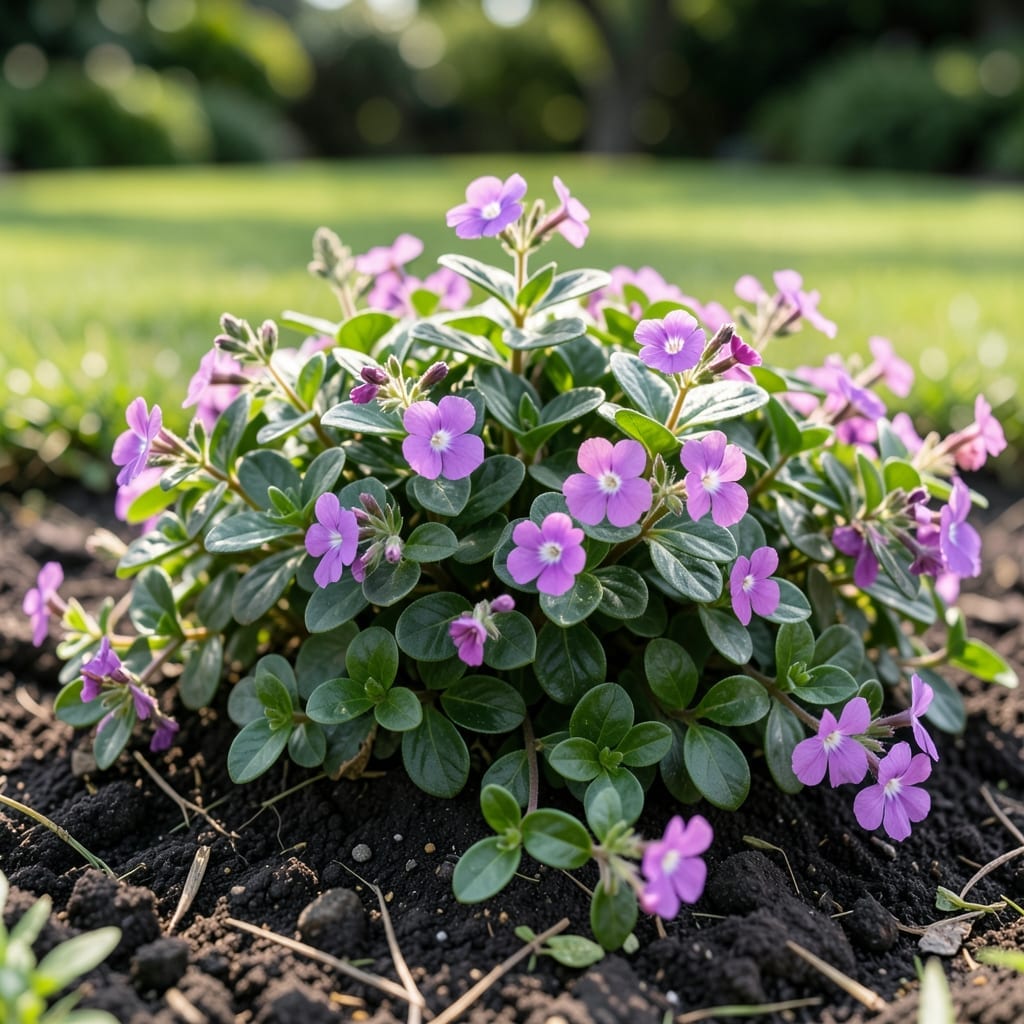
Those curled vinca leaves aren’t just ugly—they’re screaming for help. I’ve seen this exact issue in my own garden beds, and the fix is usually simpler than you’d think.
Nine times out of ten, it’s either too much love or not enough. Overwatering drowns the roots, underwatering stresses the plant, and both make leaves curl up like they’re trying to hide. Light can be just as sneaky—too much sun burns, too little weakens.
The solution starts with checking the soil 2 inches down. If it’s soggy or bone-dry, you’ve found your culprit. Adjust watering first, then look at light exposure.
Most vinca bounce back within a week once conditions stabilize. The key is catching it early before the curling becomes permanent damage.
Vinca leaves curl for several preventable reasons, often tied to environmental stress or cultural missteps. Below are the most common causes, explained with actionable insights.
Vinca (Vinca minor or Catharanthus roseus) thrives in moderate temperatures. When exposed to prolonged heat above 90°F (32°C) or drought-like conditions, leaves curl inward to reduce surface area and minimize water loss through transpiration. The plant’s natural defense mechanism kicks in, but prolonged stress weakens it.
While vinca is drought-tolerant, soggy soil from overwatering or compacted, poorly draining substrate can suffocate roots. This leads to root rot (often caused by Phytophthora or Pythium fungi), which disrupts nutrient uptake. As roots die, leaves curl and may turn yellow or brown at the edges.
Vinca prefers partial to full sun (6+ hours of light daily). Too much direct, intense sunlight (especially in hot climates) can scorch leaves, causing them to curl and develop crispy edges. Conversely, deep shade leads to weak, leggy growth with curled leaves as the plant stretches for light.
Sap-sucking pests like aphids, spider mites, or whiteflies pierce leaf tissues, draining fluids and triggering curling. Check the undersides of leaves for webbing (mites), sticky residue (aphids), or tiny white insects. Severe infestations also cause stunted growth and leaf drop.
A nitrogen deficiency often causes older leaves to curl and yellow, while excess fertilizer (especially high-salt formulas) can burn roots, mimicking drought stress. Vinca prefers balanced, slow-release fertilizers (10-10-10 NPK) applied sparingly during active growth.
Addressing vinca leaves curling starts with identifying the root cause and applying targeted fixes. Here’s a practical guide to revive your plant:
If the soil feels dry 1–2 inches down, your vinca is likely thirsty. Water deeply at the base (not the leaves) until the soil is moist but not soggy. For prevention, check soil moisture weekly—stick your finger in the dirt! Pro tip: 💡 Mulch around the plant to retain moisture.
Soggy soil suffocates roots. Stop watering immediately and let the soil dry out. If root rot is suspected, trim black/mushy roots and repot in fresh, well-draining soil. Prevent this by using pots with drainage holes and watering only when the top inch of soil is dry.
Vinca thrives in partial shade. If leaves curl and crisp at the edges, move potted plants to a spot with afternoon shade or use shade cloth. For in-ground plants, plant taller companions to cast light shadows. Prevention: ✨ Acclimate plants gradually to full sun if needed.
Leggy growth with curled leaves? Your vinca needs more light. Relocate to a sunnier spot (4–6 hours of sunlight daily) or supplement with grow lights. Rotate potted plants weekly for even exposure.
Inspect the undersides of leaves for aphids, spider mites, or whiteflies. Blast them off with water or apply neem oil spray (1 tbsp oil + 1 tsp dish soap per gallon of water). Repeat every 3–4 days until pests are gone. Preventive measure: 🎯 Encourage ladybugs and lacewings, natural pest predators.
Vinca prefers 60–80°F. If leaves curl due to heatwaves or cold drafts, move plants indoors or to a sheltered area. Use row covers for outdoor plants during unexpected frosts. Avoid placing pots near heaters or AC vents.
Water when the top 1-2 inches of soil feel dry. Typically, this means once or twice a week, but adjust based on weather and soil drainage.
Yes, if the cause is addressed early. Most vinca plants bounce back within a week once proper watering, light, or pest issues are fixed.
They thrive in partial to full sun (4-6 hours daily). Too little light causes weak, leggy growth, while too much can scorch leaves.
Check leaf undersides for webbing (mites), sticky residue (aphids), or tiny insects. Treat with neem oil if pests are present.