
Beautiful Plants For Your Interior
Beautiful Plants For Your Interior
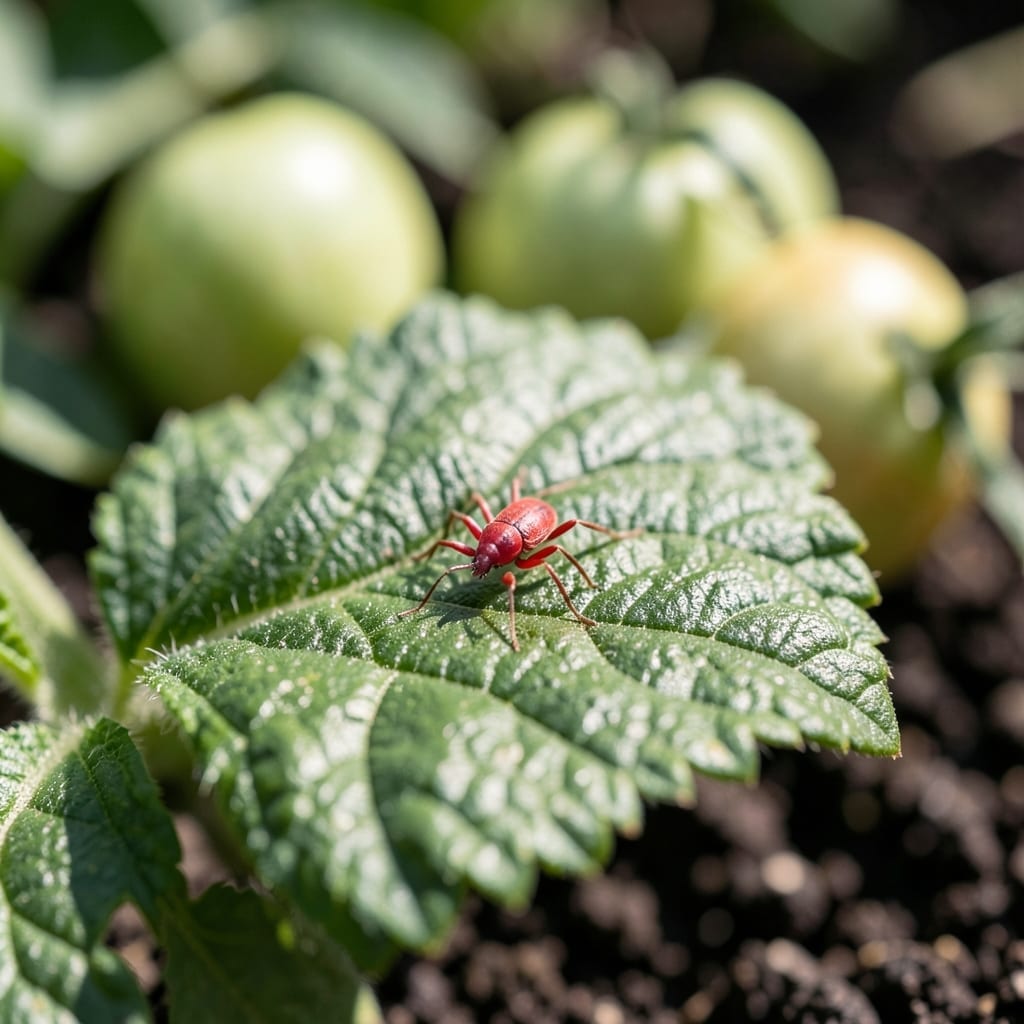
Tiny red dots moving on your leaves aren’t decoration. I first spotted these pests on my rose bushes last summer, and by the next day they’d spread to three other plants.
They’re nearly invisible until you see the damage—curled leaves, sticky residue, and stunted growth. Catching them early means the difference between a quick fix and a full-blown infestation ruining your garden.
You’ll want to act within 24-48 hours of spotting them. The good news? They’re easy to identify once you know what to look for, and organic solutions work surprisingly well.
Works for flowers, vegetables, and shrubs. Here’s how to stop them cold.
Understanding why tiny red bugs appear in your home or garden is the first step to addressing the issue effectively. These pests often thrive due to specific environmental or behavioral factors. Below are the most common causes, explained scientifically and actionably.
Dense plant growth or excessive mulch creates a humid, sheltered environment—ideal for breeding. Many small red bugs, like clover mites or spider mites, flourish in such conditions. They feed on plant sap and decomposing organic matter, multiplying rapidly when vegetation is left unchecked.
Standing water or consistently damp areas attract moisture-loving pests, including red fire ants or chiggers. These bugs seek out wet soil, leaf litter, or even indoor leaks. Fixing drainage issues and reducing humidity can significantly deter their presence.
Even microscopic gaps in windows, doors, or foundations can serve as gateways for tiny red insects. Species like boxelder bugs or red mites squeeze through these openings, especially during seasonal temperature shifts. Sealing entry points with caulk or weatherstripping is a critical preventive measure.
Piles of leaves, grass clippings, or compost heaps provide both food and shelter for small red bugs. Decomposing matter releases heat and nutrients, which accelerate their life cycles. Regularly clearing debris from your yard or storage areas removes their primary habitat.
Tackling an infestation of tiny red bugs starts with identifying the root cause and applying the right fix. Below are targeted solutions for common scenarios, along with prevention tips to keep them from returning.
If you spot these pests on houseplants, isolate the affected plant immediately. Wipe down leaves with a soapy water solution (1 tsp mild dish soap per 1 liter of water) or use neem oil spray (mix 1 tbsp neem oil with 1 liter of water and a few drops of dish soap). Reapply every 3–4 days until the bugs are gone. For severe cases, consider discarding the plant to protect others.
Prevention tip: 💡 Inspect new plants before bringing them indoors and quarantine them for a week. Keep plants clean and avoid overwatering.
Vacuum mattresses, furniture, and carpets thoroughly to remove bugs and eggs. Use a steam cleaner on upholstery and bedding, as heat kills pests on contact. For persistent issues, encase mattresses and box springs in bed bug-proof covers and wash all fabrics in hot water (120°F+).
Prevention tip: 🎯 Regularly vacuum and declutter your space. Use protective covers on beds and inspect secondhand furniture before bringing it home.
For garden invaders, introduce natural predators like ladybugs or lacewings. Apply diatomaceous earth (food-grade) around plants—it dehydrates bugs on contact. Avoid chemical pesticides, as they can harm beneficial insects. If the infestation is widespread, remove heavily affected plants to prevent spreading.
Prevention tip: ✨ Rotate crops, keep gardens free of debris, and avoid over-fertilizing, which can attract pests.
Seal cracks, gaps, and entry points with caulk or weatherstripping. Set up sticky traps near windows and doors to monitor and reduce their numbers. For a natural repellent, mix peppermint or tea tree oil with water and spray along baseboards and entryways.
Prevention tip: 🌡️ Maintain cleanliness, store food in airtight containers, and reduce humidity with dehumidifiers, as many pests thrive in damp environments.
Most tiny red bugs like clover mites or spider mites don’t bite humans. However, some species like chiggers or fire ants can cause itchy bites or allergic reactions. Always wear gloves when handling infested plants.
Use a magnifying glass: spider mites are oval and move slowly, while clover mites are slightly larger and leave red stains when crushed. Check for webbing (spider mites) or clustered groups (clover mites).
If left unchecked, they can weaken plants by sucking sap, leading to yellowing leaves or stunted growth. Act within 24-48 hours to prevent long-term harm. Organic sprays like neem oil work well for early infestations.
A 50/50 vinegar-water spray can kill some on contact but may harm plants. Test on a small area first. For safer results, use soapy water or diatomaceous earth instead.