
Beautiful Plants For Your Interior
Beautiful Plants For Your Interior
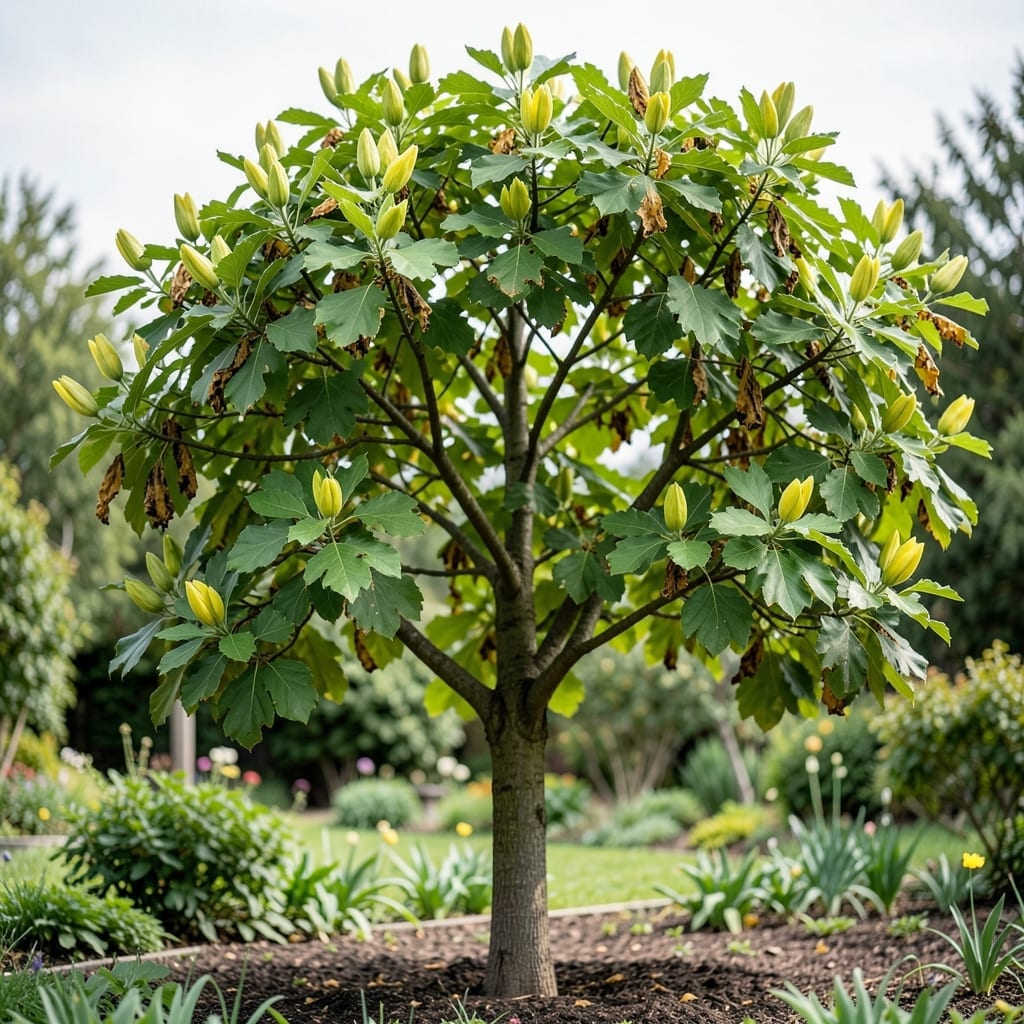
That sudden wilting on your tulip tree isn’t just drought stress. I’ve seen verticillium wilt turn healthy branches into crisp, brown skeletons in 2-3 weeks, and it always starts with subtle signs most gardeners miss.
Early symptoms show as yellowing leaves between veins, followed by branch dieback that looks like fire damage. The fungus lives in soil, entering through roots when conditions are wet and cool—exactly when we’re least suspicious.
Here’s the thing—once it’s in your tree, there’s no cure. But I’ve saved dozens by catching it early and removing infected branches 6 inches below visible damage. Proper sanitation stops the spread.
Prevention is your best defense: improve drainage, avoid wounding roots, and choose resistant varieties like ‘Emerald City’ when planting new specimens.
Verticillium wilt in tulip trees is primarily caused by soilborne fungi, Verticillium dahliae and Verticillium albo-atrum. These pathogens thrive in temperate climates and infect plants through their roots, disrupting the vascular system that transports water and nutrients. Below are the key causes behind its occurrence:
The fungus persists in soil for years, often introduced via contaminated tools, infected plant debris, or compost. Tulip trees planted in previously infested areas are at high risk, as the pathogen lies dormant until a susceptible host is nearby.
Excess moisture creates ideal conditions for fungal growth. Tulip trees in waterlogged or compacted soils are more vulnerable, as stressed roots are easier for Verticillium to penetrate. Proper drainage is critical to reducing infection risk.
Cool spring temperatures (50–75°F) favor fungal activity, while drought or extreme heat can weaken the tree’s defenses. Stress from environmental fluctuations makes tulip trees more susceptible to infection and rapid disease progression.
Pruning cuts, insect damage, or mechanical injuries provide direct entry for the fungus. Always sterilize tools between cuts and avoid pruning during wet conditions to minimize exposure.
Verticillium wilt can be tough, but these practical steps help manage and even prevent its spread in your tulip tree.
Prune immediately at the first sign of wilting or discoloration. Use sterilized pruning shears to cut at least 6 inches below visible damage. Burn or dispose of the infected material—do not compost, as the fungus can survive. Sterilize tools with rubbing alcohol between cuts to avoid spreading spores.
Verticillium thrives in stressed trees. Boost your tulip tree’s resilience by amending the soil with organic matter like compost. Ensure proper drainage to prevent waterlogged roots, which weaken the tree. A layer of mulch (2–3 inches deep) retains moisture and suppresses competing weeds, but keep it away from the trunk to avoid rot.
Avoid overwatering, as damp soil encourages fungal growth. Water deeply but infrequently, allowing the topsoil to dry between sessions. Use a balanced fertilizer to support overall tree health, but skip high-nitrogen feeds if the tree is already stressed—they can worsen susceptibility.
💡 Pro Tip: Verticillium wilt is hard to eradicate once established, so early action and consistent care are your best defenses!
Symptoms can appear within 2-3 weeks of infection, with wilting and branch dieback progressing rapidly under stress. Early intervention is critical to slow its advance through the tree’s vascular system.
Unfortunately, there’s no cure once the fungus is established. However, removing infected branches 6 inches below visible damage and improving tree health can prolong its life. Prevention is always the best strategy.
Yes, cultivars like ‘Emerald City’ show better resistance. If replanting, choose these over susceptible varieties to reduce future risk. Always plant in well-draining soil to further minimize infection chances.
Never compost infected material—the fungus survives and can reinfect other plants. Burn or dispose of branches in sealed bags to prevent spread. Sterilize tools after handling to avoid contamination.