
Beautiful Plants For Your Interior
Beautiful Plants For Your Interior
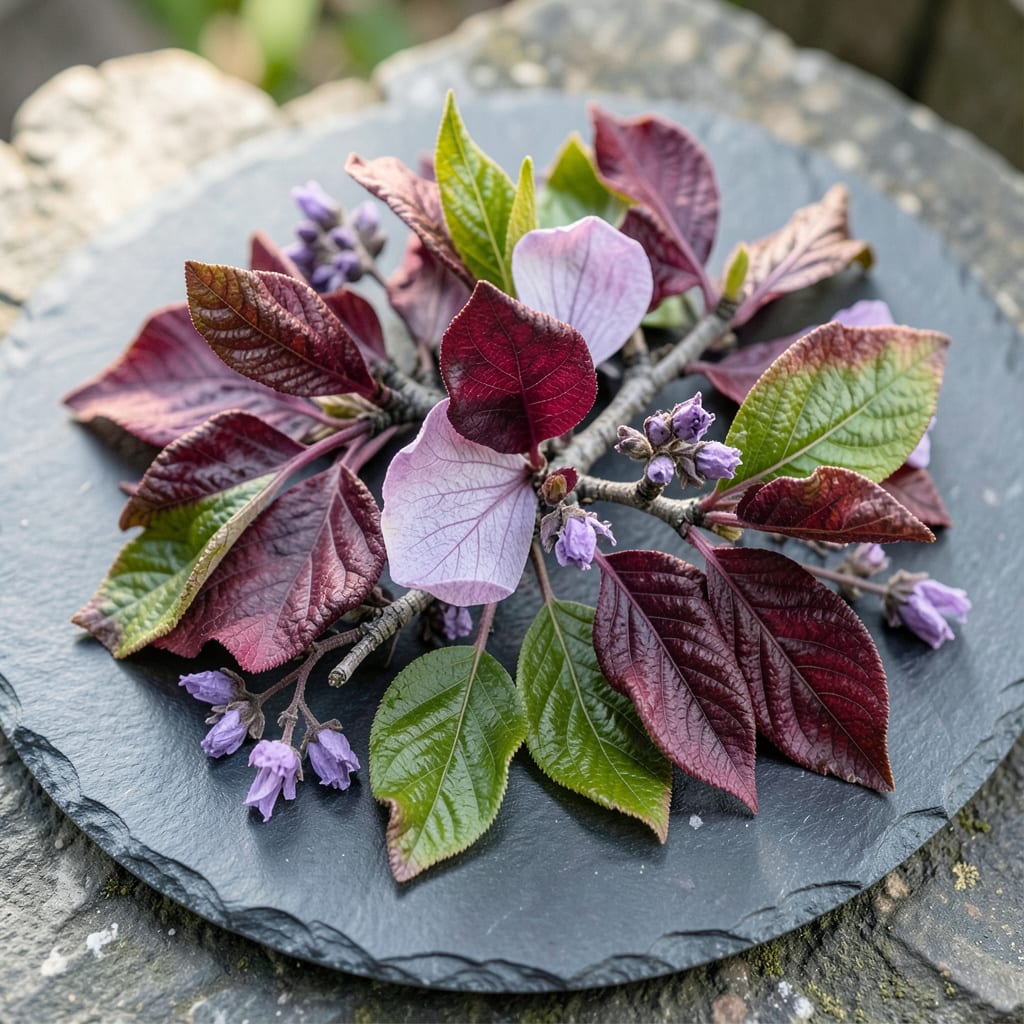
That moment your redbud’s leaves suddenly wilt on one branch while the rest look fine? That’s how verticillium wilt announces itself. I’ve watched this fungus sneak through the soil and into a tree’s vascular system, cutting off its lifeline.
It starts with yellowing between veins, then browning, then branches dying back from the top down. The disease thrives in cool, wet soil and can linger for years, waiting for the next susceptible host. Eastern redbuds are particularly vulnerable.
Here’s the thing—there’s no cure once it’s in the system. But you can save the tree with early action. Prune affected branches 8-10 inches below visible damage, sterilizing tools between cuts. Remove fallen leaves and debris immediately.
Prevention is your best defense: improve drainage, avoid overhead watering, and plant resistant varieties nearby. The key is catching it before it spreads to the main trunk.
Verticillium wilt in eastern redbuds is a soil-borne fungal disease caused primarily by Verticillium dahliae or Verticillium albo-atrum. This vascular pathogen disrupts the tree’s water transport system, leading to wilting, yellowing, and dieback. Here’s why it happens:
The fungus persists in soil for years as microsclerotia, dormant structures that activate when host roots grow nearby. Contaminated soil, compost, or mulch—especially from previously infected plants—can introduce the pathogen. Even tools or footwear can spread the spores if they’ve contacted infected material.
Healthy redbuds resist infection, but root damage from transplanting, construction, or compacted soil creates entry points. Drought, poor drainage, or nutrient deficiencies further stress the tree, weakening its defenses and allowing the fungus to colonize the xylem.
Cool, wet springs (55–75°F) accelerate fungal growth and spore release. The pathogen thrives in moist, well-aerated soils, making overwatering or heavy clay soils particularly risky. Once inside, it spreads upward through the vascular system, blocking water flow.
Actionable tip: Avoid planting susceptible species (like redbuds) in areas with a history of Verticillium wilt. Solarizing soil before planting can reduce fungal populations.
Verticillium wilt can be tough, but these targeted solutions help your eastern redbud recover and thrive. Address each cause with the right fix, and pair treatments with prevention for long-term health.
Fix: Remove and destroy infected branches (sterilize pruners with rubbing alcohol between cuts). For mild cases, apply Trichoderma-based fungicides or compost tea to boost soil microbes that suppress the fungus. In severe cases, solarize soil by covering the base with clear plastic for 4–6 weeks to kill pathogens.
Prevent: 💡 Avoid overhead watering to keep foliage dry. Plant resistant varieties like Cercis canadensis ‘Ace of Hearts’ if replanting.
Fix: Improve drainage by amending soil with organic matter (compost or aged bark). If the area is waterlogged, install a French drain or redirect runoff. For compacted soil, aerate gently around the root zone (avoid damaging roots).
Prevent: ✨ Plant redbuds in well-draining, loamy soil. Raise beds if your soil is heavy clay.
Fix: Water deeply (1–2 inches per week) during dry spells to reduce stress. Mulch with 2–3 inches of wood chips to retain moisture and regulate soil temperature. Prune only during dry weather to prevent fungal entry through wounds.
Prevent: 🎯 Maintain consistent moisture and avoid mechanical damage (e.g., lawnmower nicks) to the trunk.
Fix: Thin out dense canopies to improve airflow, which reduces fungal spores. Fertilize lightly with a balanced organic fertilizer (10-10-10) to strengthen the tree, but avoid over-fertilizing, which can stress the plant.
Prevent: ✨ Space redbuds 15–20 feet apart. Remove weeds and debris around the base to minimize fungal harboring.
It can move through a tree in 2-4 weeks under ideal conditions. Early symptoms appear on lower branches first, then progress upward. Immediate pruning of affected limbs can slow its advance.
Mild cases may stabilize with proper care, but severe infections often require intervention. Even recovered trees may harbor the fungus and show symptoms during stress periods.
Prune during dry weather, preferably in late summer. Always sterilize tools with rubbing alcohol between cuts and remove debris immediately.
Yes, ‘Ace of Hearts’ and ‘Hearts of Gold’ show better resistance. Consider these for replanting in affected areas.
