
Beautiful Plants For Your Interior
Beautiful Plants For Your Interior
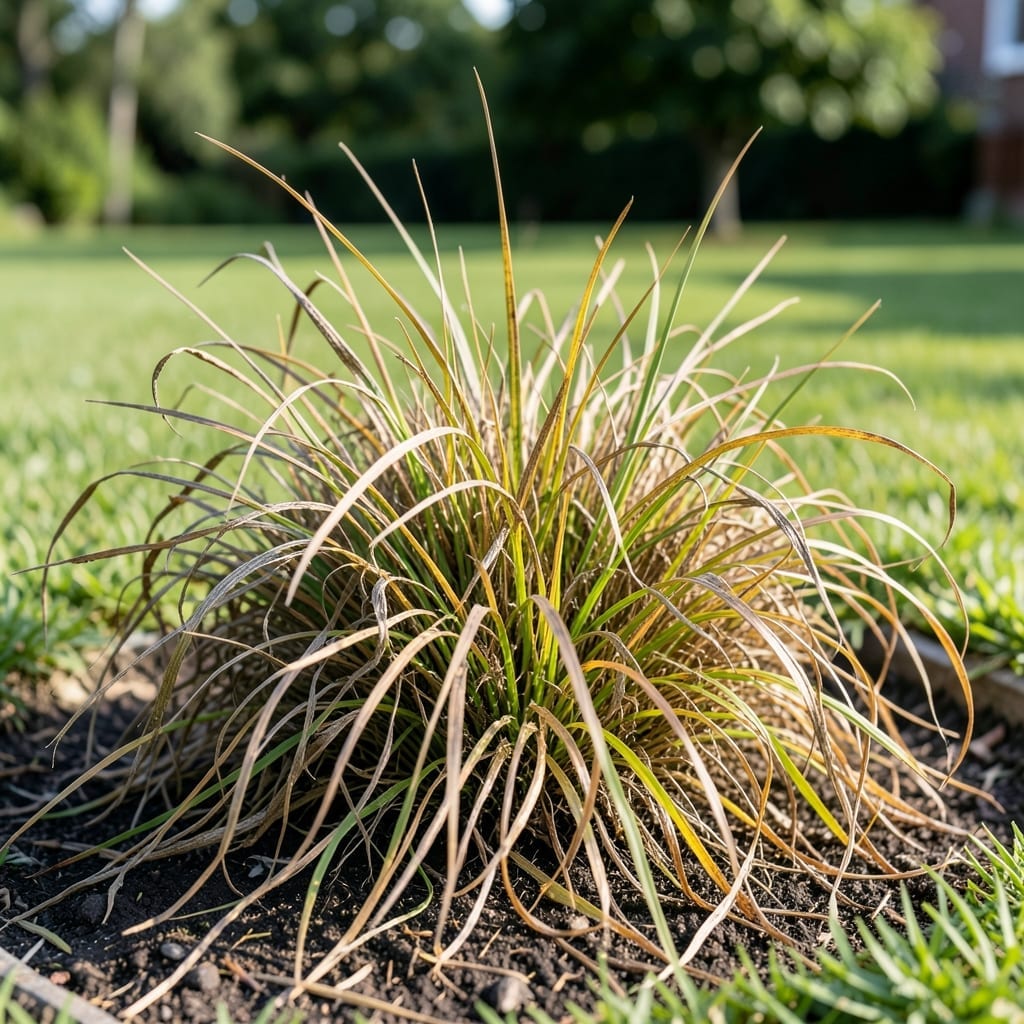
Your lawn is trying to tell you something. I’ve seen both extremes in my own yard—patchy brown spots screaming for water and soggy sections that squish underfoot.
Underwatered grass turns crispy and grayish, while overwatered grass looks yellowed and mushy. The fix starts with knowing which problem you’re actually dealing with.
Once you spot the signs, adjusting your watering schedule or improving drainage usually does the trick. Most lawns bounce back within 1-2 weeks of the right care.
This guide helps you read the symptoms, confirm the cause, and take action before the damage spreads. Simple fixes, big results.
Grass turns brown, yellow, or wilts for two primary reasons: too little or too much water. Each scenario disrupts the plant’s ability to absorb nutrients and maintain healthy growth. Below are the root causes of underwatered and overwatered grass, explained with actionable insights.
When grass doesn’t receive enough water, its roots can’t pull moisture from the soil. Shallow root systems develop as the plant struggles to survive, leading to weak, thin blades. Drought stress also triggers the grass to enter dormancy, turning brown to conserve energy. This often happens in:
Overwatering suffocates grass by saturating the soil, which blocks oxygen from reaching the roots. This creates an anaerobic environment where roots rot and harmful fungi (like Pythium or Rhizoctonia) thrive. Common causes include:
Pro tip 💡: Grass typically needs 1–1.5 inches of water per week, including rainfall. Use a rain gauge to avoid guesswork!
Whether your lawn is parched or soggy, these targeted fixes will bring it back to life. Act fast—the sooner you adjust your care, the quicker your grass will recover.
Fix: Give your lawn a deep, thorough soak. Use a sprinkler or hose to deliver 1–1.5 inches of water in one session, ensuring it penetrates 4–6 inches into the soil. Repeat every 3–4 days until the grass perks up. Early morning watering (before 10 AM) reduces evaporation.
Prevention: Install a rain gauge to track natural watering, and adjust your schedule based on weather. Mulch clippings can help retain moisture. 💡 Pro tip: If the soil is bone-dry, aerate before watering to help absorption.
Fix: Stop watering immediately and let the soil dry out. If the area is waterlogged, use a garden fork to poke holes (aerate) and improve drainage. For severe cases, mix in compost or sand to loosen compacted soil. Avoid walking on soggy grass to prevent further damage.
Prevention: Water only when the top 2–3 inches of soil feel dry. Use a moisture meter for precision, and ensure your lawn has proper grading to prevent puddling. 💡 Pro tip: Clay-heavy soils? Amend with organic matter to boost drainage.
Once you’ve corrected the watering issue, give your grass a nutrient boost. Apply a balanced, slow-release fertilizer to support root recovery. For underwatered lawns, choose a formula with higher nitrogen. For overwatered areas, opt for one with extra phosphorus to strengthen roots. Mow high (3–4 inches) to reduce stress and shade the soil.
✨ Bonus: Overseed thin patches in early fall or spring for a lush, resilient lawn.
Check for grayish-brown, crispy blades and soil pulling away from roots. Step on the grass—if it springs back slowly, it’s thirsty. Water deeply when the top 2-3 inches of soil feel dry.
Overwatering causes yellowing, mushy patches, and a spongy feel underfoot. Roots rot, and fungi like Pythium can take over. Stop watering and aerate to help it dry out.
Early morning (before 10 AM) is ideal. It reduces evaporation and lets grass dry before nightfall, preventing disease. Evening watering can promote fungal growth.
With proper care, most lawns bounce back in 1-2 weeks. Underwatered grass revives faster with deep watering, while overwatered areas need time to dry and heal.