
Beautiful Plants For Your Interior
Beautiful Plants For Your Interior
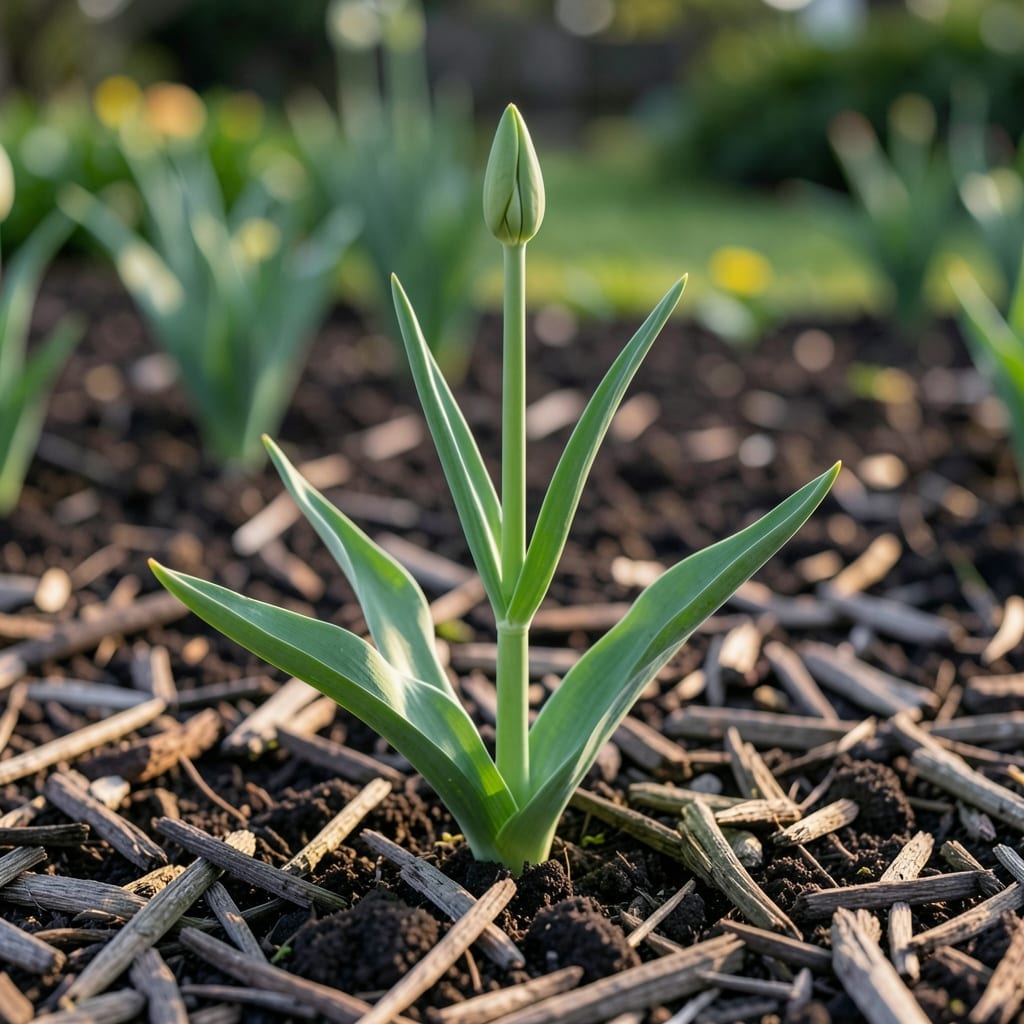
Nothing stings like planting tulips in fall and getting green leaves with no flowers in spring. I’ve pulled up dozens of blind bulbs over the years, and the reasons usually come down to just a few preventable mistakes.
Most often, the culprit is planting too shallow or in deep shade. Tulips need 6-8 inches of soil above them and full sun to store enough energy. Without it, they’ll skip blooming entirely next year.
Other common issues include overcrowding, poor drainage, or cutting back foliage too soon. The good news is these are all easy fixes with the right approach.
With a few adjustments this fall, you can turn those blind bulbs into vibrant blooms next spring. Here’s exactly how to diagnose and fix the problem.
Tulips that refuse to bloom often suffer from a condition called blindness—when bulbs produce foliage but no flowers. This frustration usually stems from a few key environmental or care-related issues. Below are the most common causes, explained simply but scientifically.
Tulips are heavy feeders, especially in phosphorus and potassium. A nitrogen-heavy fertilizer (like lawn feed) promotes leafy growth at the expense of flowers. Without sufficient phosphorus, the bulb lacks the energy to form a bloom. Action: Use a low-nitrogen, high-phosphorus fertilizer (e.g., 5-10-5) in fall to support bulb development.
Tulips require 12–16 weeks of temperatures below 40°F (4°C) to trigger blooming. Mild winters or indoor storage without cold treatment disrupt this process. Action: Plant bulbs in fall (6 weeks before ground freezes) or pre-chill potted bulbs in a refrigerator (not freezer) for 12–16 weeks.
When bulbs compete for nutrients or sit in waterlogged soil, they divert energy to survival instead of flowering. Action: Space bulbs 4–6 inches apart and plant in well-draining soil. Add sand or grit to heavy clay to prevent rot.
Cutting back foliage too soon after blooming starves the bulb. Leaves photosynthesize to replenish energy stores for next year’s flower. Action: Wait until foliage yellows (usually 6–8 weeks post-bloom) before trimming.
Tulips need full sun (6+ hours daily) and enough time to establish roots before winter. Late planting (after ground freezes) or shady spots weaken bulbs. Action: Plant in a sunny location by mid-fall and avoid areas under dense tree canopies.
Addressing these factors can coax stubborn tulips back into bloom the following season.
If your tulips aren’t blooming, don’t lose hope—most causes of tulip blindness are fixable! Below are targeted solutions for each common issue, along with prevention tips to keep your bulbs blooming beautifully next season.
If your bulbs were small, soft, or diseased when planted, they may lack the energy to bloom. Dig up and discard any weak or rotten bulbs. Next season, invest in large, firm bulbs from reputable suppliers. Look for plump, blemish-free bulbs labeled as “top size” or “12/14 cm” for the best results.
Prevention tip: 💡 Store bulbs in a cool, dry, dark place (like a mesh bag in a garage) until planting to avoid premature sprouting or mold.
Tulips need 12–16 weeks of temperatures below 40°F (4°C) to trigger blooming. If your winters are mild, pre-chill bulbs in the fridge (in a paper bag) for 8–12 weeks before planting. In colder zones, plant bulbs 6–8 weeks before the ground freezes so they establish roots before winter.
Prevention tip: 🌡️ Use a soil thermometer to confirm your area meets chilling requirements before planting.
Soggy soil causes bulbs to rot. Dig up waterlogged bulbs and replant them in well-draining soil or raised beds. Amend heavy clay with compost or sand. Water only when the top 2 inches of soil are dry, and stop watering entirely after foliage dies back in late spring.
Prevention tip: ✨ Plant bulbs in a slightly sloped area or containers with drainage holes to avoid standing water.
Tulips need 6+ hours of direct sunlight daily. If your garden is shady, dig up bulbs after foliage yellows and replant them in a sunnier spot next fall. For potted tulips, move containers to a south-facing location.
Prevention tip: 🎯 Rotate planting locations yearly to ensure bulbs always get enough light.
If your soil lacks phosphorus (key for blooming), apply a low-nitrogen, high-phosphorus fertilizer (like 5-10-5) when shoots emerge in spring. Avoid high-nitrogen feeds, which promote foliage over flowers. Work in compost at planting time for a nutrient boost.
Prevention tip: 🌱 Test your soil every 2–3 years and amend as needed—tulips thrive in slightly acidic to neutral soil (pH 6.0–7.0).
Plant bulbs 6-8 inches deep with the pointy end up. Shallow planting exposes them to freeze-thaw cycles that can damage the flower bud inside.
In cold climates (zones 3-7), yes—just ensure good drainage. In warmer zones, dig up after foliage dies back and store in a cool, dry place until fall.
This is called “blindness,” often caused by planting too late, insufficient chilling, or cutting foliage too soon. The bulb lacks energy to produce a flower.
Wait 6-8 weeks or until leaves turn yellow. This lets the bulb store energy for next year’s bloom. Never tie or braid leaves.