
Beautiful Plants For Your Interior
Beautiful Plants For Your Interior
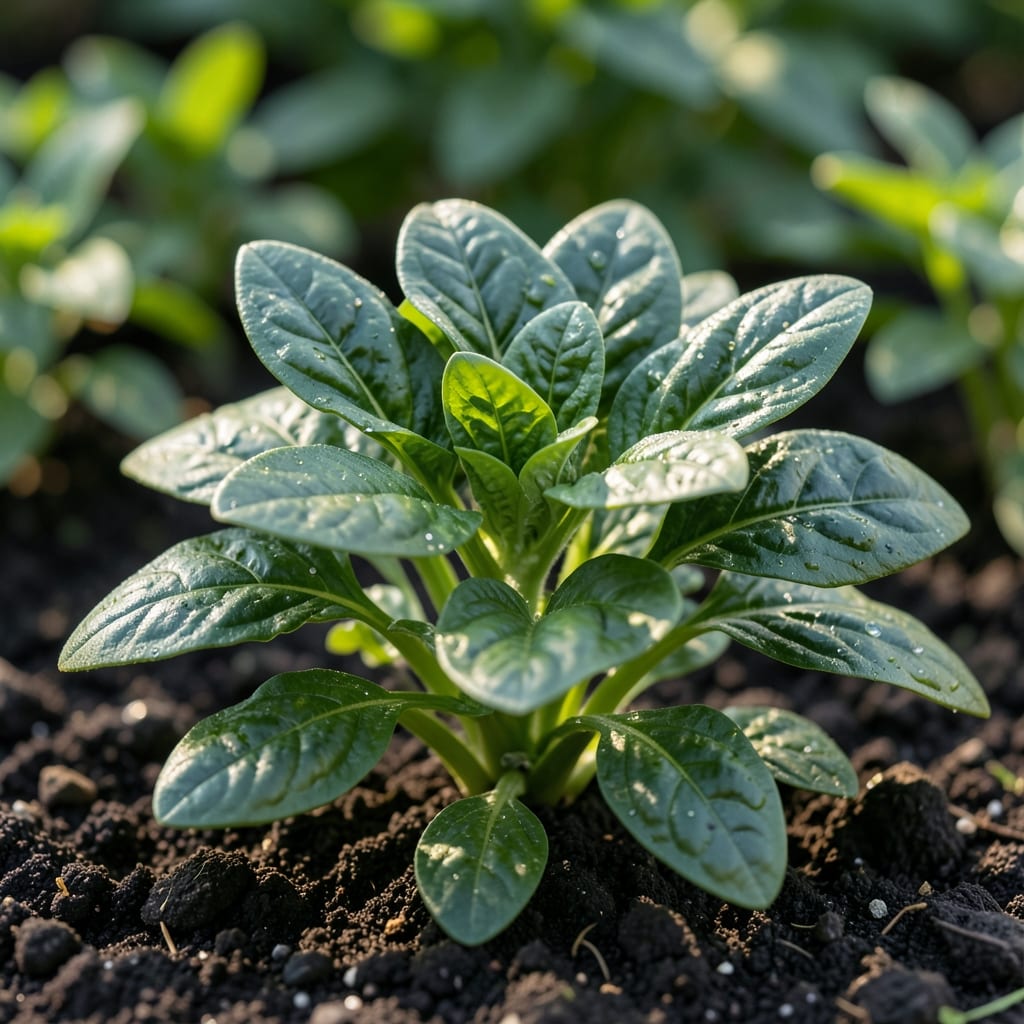
There’s something magical about watching those first triangular spinach leaves unfold. I still remember the day I noticed the distinct arrowhead shape in my garden—completely different from the rounded leaves I was used to.
This unique variety isn’t just a pretty face. The pointed leaves signal a plant that’s built for vigorous growth and a flavor that’s rich and earthy. It thrives in cooler weather, making it perfect for spring and fall planting.
You’ll spot the difference early—seedlings show their signature shape within 2-3 weeks of germination. Once established, they form dense, upright rosettes that make harvesting a breeze.
Great for gardeners who want both beauty and bounty. Here’s how to grow them right.
Triangular spinach leaves can be a sign of healthy growth or a response to environmental stress. Here’s why it happens:
Some spinach varieties naturally develop triangular or arrowhead-shaped leaves as part of their genetic programming. These heirloom or specialty types, like Spinacia oleracea ‘Giant Noble’, often exhibit this trait without any external influences. If your seeds are labeled as such, the shape is likely intentional and harmless.
Inconsistent watering can cause spinach leaves to grow abnormally, including a triangular shape. Overwatering leads to root rot, restricting nutrient uptake, while underwatering stunts leaf expansion. Maintain even moisture by watering at the base and ensuring well-draining soil to prevent this.
Spinach thrives in partial shade to full sun. Insufficient light forces the plant to stretch and adapt, sometimes resulting in pointed or triangular leaves. If growing indoors, use grow lights for 12–14 hours daily. Outdoors, ensure plants receive at least 4–6 hours of direct sunlight.
Spinach prefers cool temperatures (50–70°F). Heat stress can cause leaves to grow narrower and more pointed as the plant conserves energy. Conversely, cold snaps may trigger abnormal growth patterns. Use row covers in early spring or late fall to stabilize temperatures and protect foliage.
A deficiency in nitrogen or magnesium can alter leaf shape, leading to triangular or misshapen growth. Test your soil and amend with compost or a balanced fertilizer (10-10-10) if deficiencies are detected. Avoid over-fertilizing, which can also distort leaf development.
If your spinach leaves are coming out triangular instead of the usual oval or arrowhead shape, the fix often starts with adjusting the growing conditions. Below are the most common causes and their straightforward solutions.
Too much nitrogen or a lack of potassium can distort leaf growth. Fix: Test your soil and amend it with a balanced organic fertilizer (10-10-10). Add compost or wood ash to boost potassium. Prevention tip: 💡 Rotate crops yearly to avoid nutrient depletion.
Inconsistent watering (too much or too little) can stress the plant, leading to odd-shaped leaves. Fix: Water deeply 1-2 times a week, ensuring the soil stays moist but not soggy. Use mulch to retain moisture. Prevention tip: ✨ Install a drip irrigation system for steady hydration.
Spinach prefers partial shade in hot climates. Too much direct sun can cause leaves to grow abnormally. Fix: Provide shade cloth (30-40%) during peak afternoon hours. In cooler areas, ensure at least 4-6 hours of sunlight. Prevention tip: 🎯 Plant spinach in early spring or late summer to avoid extreme heat.
Aphids and leaf miners can chew on new growth, altering leaf shape. Fix: Spray plants with neem oil or insecticidal soap weekly until pests are gone. Introduce beneficial insects like ladybugs. Prevention tip: 🌡️ Inspect leaves regularly and remove infested ones immediately.
With these adjustments, your spinach should return to its classic healthy shape in just a few weeks. Consistency is key—monitor your plants and tweak conditions as needed.
No, only specific heirloom types like Giant Noble naturally form this shape. Most common spinach has rounded or oval leaves. Check your seed packet to confirm the expected leaf type.
You’ll typically notice the distinct shape forming within 2-3 weeks after germination. The arrowhead pattern becomes more pronounced as the plants mature and produce true leaves.
Not at all! The flavor remains rich and earthy, often even more robust in triangular-leaf varieties. The unique shape is purely visual and doesn’t impact taste or texture.
Cut outer leaves first, leaving the inner growth to continue. This method encourages new growth and maintains the plant’s shape. Harvest in the morning for the best flavor and texture.