
Beautiful Plants For Your Interior
Beautiful Plants For Your Interior
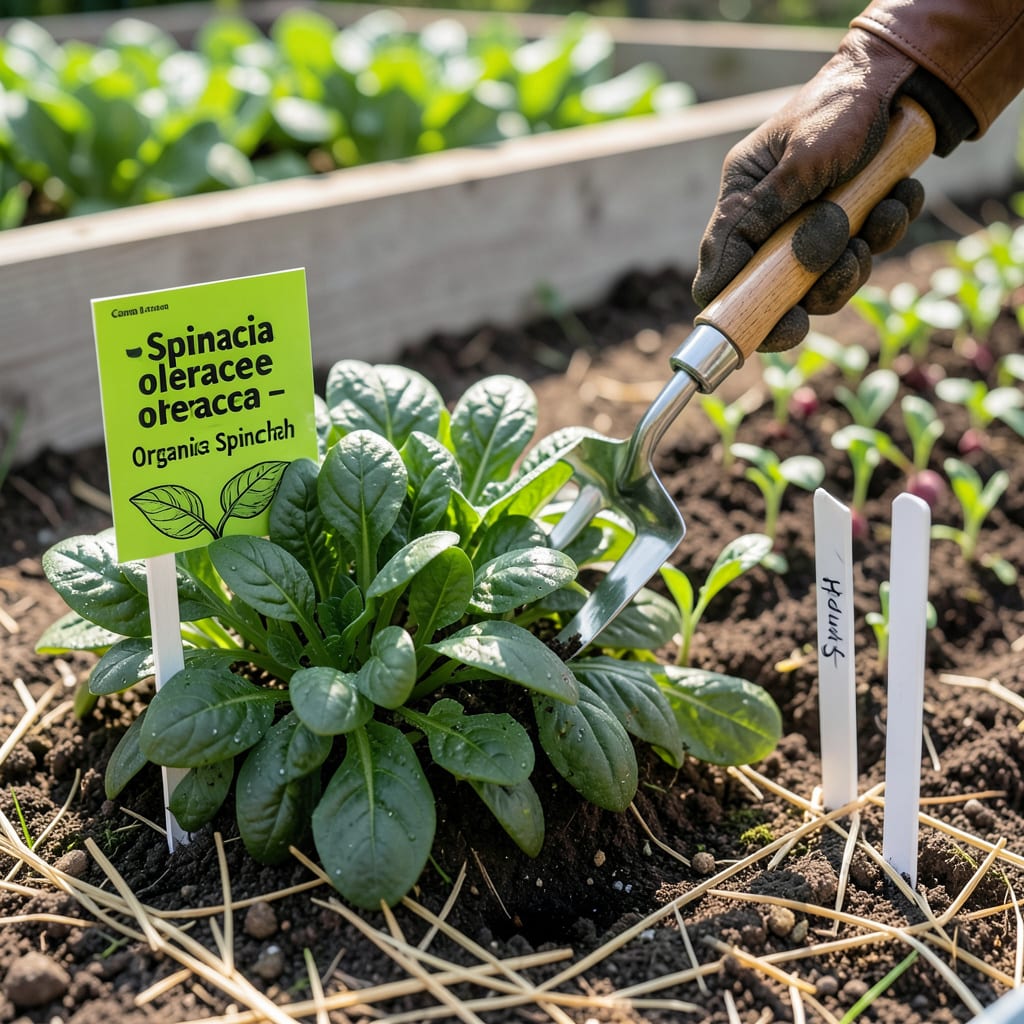
Ever planted spinach only to watch it bolt before you could harvest? In Zone 6, timing isn’t just important—it’s the difference between a thriving crop and a disappointing one. 🍃 That first tender bite of homegrown spinach is worth getting it right.
I’ll cut through the guesswork and show you the two perfect windows to plant spinach here—plus how to stretch your season with simple tricks. Whether you’re aiming for a fast spring harvest or a hearty fall yield, these tips ensure you’ll be picking fresh leaves when it matters most.
If you’re growing spinach in Zone 6, timing is your secret weapon. This cool-season crop thrives when soil temps hit 40-60°F, but it bolts fast in summer heat. I’ll break down the two golden planting windows—spring and fall—so you get tender leaves, not bitter stalks.
Zone 6’s last frost date (around April 15) and first frost (near October 15) are your guideposts. Plant too late in spring, and your spinach will bolt before you can harvest. Start too early in fall, and frost might nip your seedlings. Let’s nail those dates.
For spring planting, aim to sow seeds 4–6 weeks before your last frost. In Zone 6, that’s typically early March through early April. Spinach germinates best in cool, moist soil, so avoid planting if temps spike above 70°F—it’ll bolt before you can blink.
Fall spinach is my favorite—it’s sweeter after light frosts! Plant 6–8 weeks before your first frost, usually mid-August to mid-September. The trick? Count backward from October 15 and add a buffer. Use shade cloth if late-summer heat lingers to protect seedlings.
Soil prep matters too. Spinach loves loose, well-draining soil with a pH of 6.5–7.0. Mix in compost before planting, and keep the bed moist. If your soil is heavy clay, consider raised beds—they warm up faster in spring and drain better in fall rains.
Want to stretch your harvest? Try succession planting. Sow a new batch every 2 weeks in spring until mid-May, or in fall until early September. This ensures a steady supply of baby leaves. For bolt-resistant varieties like ‘Bloomsdale Long Standing’, you can push dates slightly later.
Watch the daylength—spinach bolts when days exceed 12–14 hours of light. In Zone 6, that’s usually by late May. For fall crops, use row covers to protect plants and extend harvests into November. I’ve had spinach survive under covers until Thanksgiving!
If you’re starting indoors, sow seeds 4 weeks before transplanting outside. Use peat pots to minimize root disturbance. Harden off seedlings for 5–7 days before moving them to the garden. Spinach transplants poorly, so direct-sowing is often better—just thin seedlings to 4–6 inches apart.
Remember: spinach is a fast grower. You’ll see sprouts in 7–14 days, and leaves will be ready to harvest in as little as 30 days. Use the cut-and-come-again method—snip outer leaves first to keep plants producing. Once it bolts, pull it up and replant!
For Zone 6 gardeners, the key is cool soil and short days. Stick to these windows, and you’ll enjoy two bumper crops a year—no greenhouse required. Now grab those seeds and get planting! 🌱
Even with perfect planting dates, Zone 6 spinach can fail if you overlook these critical details. I’ve seen gardeners lose entire crops to bolting, poor germination, or frost damage—all because of avoidable mistakes. Let’s fix them before they wreck your harvest.
The biggest issue? Planting too deep. Spinach seeds need light to germinate, so burying them more than ½ inch often means no sprouts. Aim for ¼ to ½ inch depth, and keep the soil evenly moist (not soggy) until seedlings emerge in 7–14 days.
⚠️ Warning: Ignoring Soil pH
Spinach hates acidic soil. Test your pH—it should be 6.5–7.0. Below 6.0? Add lime (2–3 lbs per 100 sq ft) a month before planting. Too alkaline? Mix in peat moss or compost to balance it.
Another harvest-killer: misjudging daylight. Spinach bolts when days exceed 12–14 hours of light. In Zone 6, that’s typically by late May. For spring crops, use shade cloth (30–50%) to block afternoon sun if temps climb above 75°F. Fall plantings? No shade needed—shorter days work in your favor.
Don’t skimp on soil prep either. Spinach demands loose, fertile soil rich in organic matter. Till in 2–3 inches of compost before planting, and avoid heavy clay or compacted beds. If your soil drains poorly, raised beds are your best friend—they warm faster in spring and prevent waterlogged roots in fall rains.
Watering mistakes are just as deadly. Spinach needs consistent moisture—1 inch per week, including rain. Let the soil dry out, and plants bolt prematurely. Overwater? You’ll get fungal diseases like downy mildew. Water in the morning at soil level (avoid wetting leaves) to keep foliage dry and healthy.
Finally, crowding plants reduces airflow and invites pests. Thin seedlings to 4–6 inches apart once they’re 2 inches tall. Use scissors to snip extras at soil level—don’t pull them, or you’ll disturb roots. For baby leaf harvests, sow seeds 1 inch apart and skip thinning; just snip leaves as they grow.
Fix these three key issues—depth, pH, and daylight—and you’ll sidestep 90% of spinach problems in Zone 6. Pair these tips with the planting windows from earlier, and you’re set for crisp, sweet leaves all season. Now go check that soil pH! 🌱
Not all spinach is created equal—especially in Zone 6, where our short seasons demand fast-maturing or cold-hardy varieties. I’ve tested dozens, and the wrong choice can mean bolting before harvest or weak growth in fall. Let’s pick winners for your garden.
For spring planting, you need varieties that race against the clock before summer heat hits. Look for early maturers like ‘Baby’s Leaf Hybrid’ (ready in 30 days) or ‘Space’ (compact, bolt-resistant). These thrive in cool spring soil and give you harvests before bolting.
Fall calls for cold-tolerant champions like ‘Winter Giant’ (survives to 15°F) or ‘Tyee’ (thrives in short days). These varieties sweeten after frost and hold well in the garden. For succession planting, ‘Space’ is my go-to—it’s compact, bolt-resistant, and re-grows quickly after cutting.
Avoid ‘Savoy’ types (like ‘Bloomsdale’) in late fall—their crinkled leaves trap moisture, raising fungal disease risk in damp Zone 6 autumns. Instead, opt for smooth-leaf varieties like ‘Corvair’ or ‘Red Cardinal’ (yes, it’s purple!). They dry faster after rain and resist mildew.
For container gardening, ‘Baby’s Leaf Hybrid’ or ‘Space’ are perfect—they stay small and produce heavily in 6-inch-deep pots. Pair them with a well-draining potting mix and keep soil moist. On patios, they’ll thrive in morning sun with afternoon shade to prevent bolting.
Remember: seed freshness matters. Spinach seeds lose viability fast—use current-year seeds for best germination. Store extras in the fridge in a sealed jar. With the right variety and care, you’ll harvest spinach in Zone 6 from April through November. Now, which one will you try first? 🌿
Summer heat is spinach’s worst enemy—it bolts quickly when temps exceed 75°F. Instead, focus on spring (March–April) and fall (August–September) plantings. If you must try summer, use shade cloth and bolt-resistant varieties like ‘Bloomsdale Long Standing’.
Use row covers or cold frames to extend your fall harvest by 2–4 weeks. Spinach tolerates light frosts (down to 15°F), but covers prevent damage from hard freezes. Remove them on warm days to avoid overheating plants.
‘Baby’s Leaf Hybrid’ matures in just 30 days, perfect for quick harvests. For spring, try ‘Space’ (compact and bolt-resistant). Both thrive in Zone 6’s short seasons and regrow quickly after cutting.
Bolting usually happens due to long daylight (>12 hours) or high temps (>70°F). In Zone 6, plant earlier in spring (by March 15) or use shade cloth. For fall, choose slow-bolting varieties like ‘Tyee’ and keep soil moist.
Use 6-inch-deep pots with well-draining soil. ‘Baby’s Leaf Hybrid’ or ‘Space’ are ideal. Place containers where they get morning sun and afternoon shade to prevent bolting. Water every 2–3 days—pots dry out faster than ground beds.
