
Beautiful Plants For Your Interior
Beautiful Plants For Your Interior
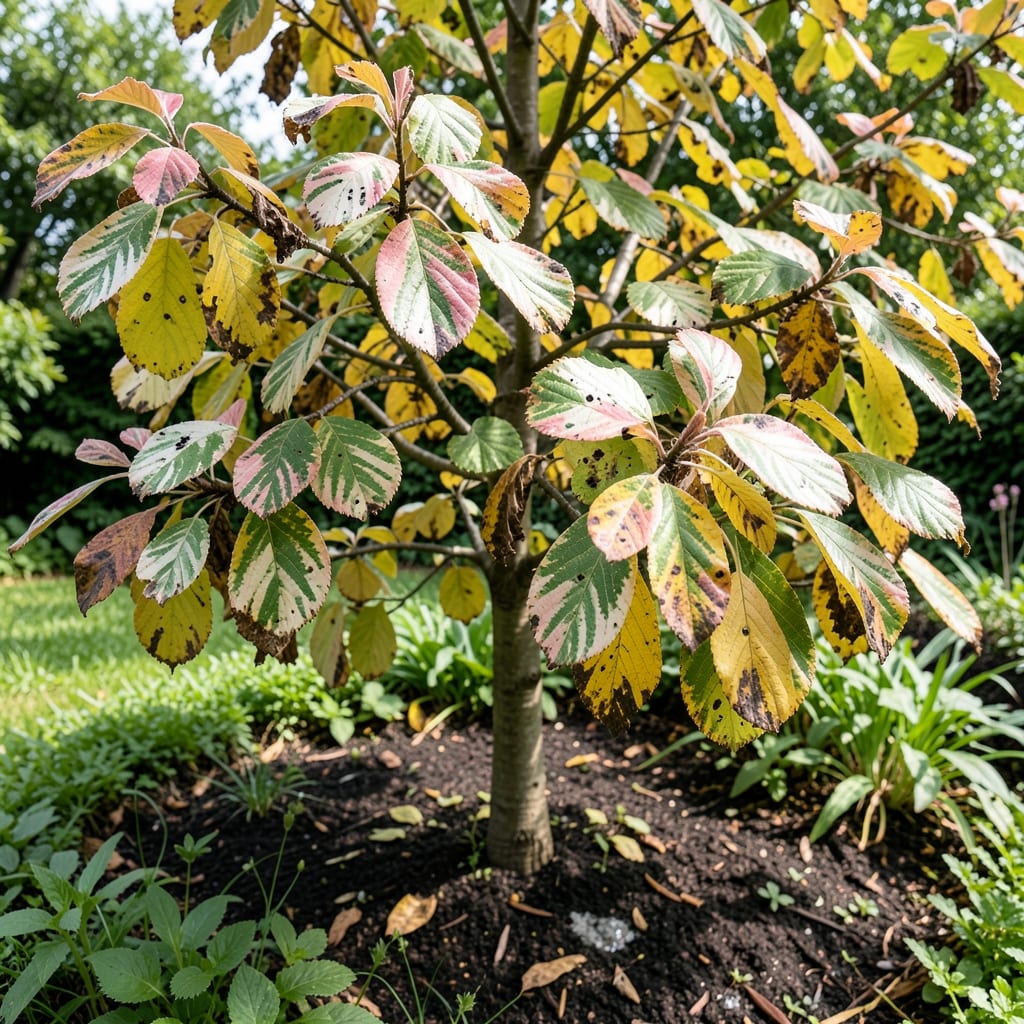
My tri color beech nearly died before I learned to spot the early warnings. Leaf scorch, powdery mildew, and aphid clusters hit fast if you don’t know what to look for.
Most problems start with stress—wrong soil, poor drainage, or sudden temperature swings. I check the leaves daily now, especially after heavy rain or dry spells, and catch issues before they spread.
Organic solutions work best for these trees. Neem oil for pests, proper pruning for airflow, and consistent moisture keep mine thriving without harsh chemicals.
The payoff is a tree with those stunning pink, white, and green leaves that neighbors stop to admire. Worth every bit of attention.
Understanding why tri-color beech trees (Fagus sylvatica ‘Roseomarginata’) develop issues starts with recognizing the underlying stressors. These trees are prized for their striking variegated foliage, but their unique genetics and environmental needs make them susceptible to specific problems. Below are the primary causes, broken down by category.
The tri-color beech’s variegated leaves result from a chimeric mutation, where different genetic tissues coexist. While this creates stunning pink, white, and green foliage, it also makes the tree less hardy than its solid-green counterparts. The variegated sections often have reduced chlorophyll, weakening the tree’s ability to photosynthesize efficiently. This genetic quirk can lead to:
Tri-color beeches thrive in consistently moist, well-drained soils and partial shade. Deviations from these conditions trigger stress responses:
Soil pH also matters—alkaline soils (pH > 7.5) can lock out iron, causing chlorosis (yellowing leaves with green veins).
Weakened trees are magnets for opportunistic invaders:
Pro tip 💡: Variegated trees often lack the chemical defenses of their wild relatives, making them easier targets.
When your tri-color beech tree shows signs of trouble, quick and targeted action can restore its health. Below are practical fixes for the most common problems, paired with prevention tips to keep issues from returning.
If you notice brown spots or yellowing leaves, it’s often a fungal issue like anthracnose or leaf blotch. Start by pruning crowded branches to improve airflow, which reduces humidity where fungi thrive. For existing infections, apply a copper-based fungicide in early spring or at the first sign of trouble. Prevention tip: 💡 Rake and remove fallen leaves in autumn to eliminate fungal spores overwintering in debris.
Aphids, scale, or beetles can stress your tree and spread disease. Introduce beneficial insects like ladybugs or lacewings to control pests naturally. For heavier infestations, spray with horticultural oil or neem oil—apply in the evening to avoid harming bees. Prevention tip: ✨ Inspect leaves regularly, especially the undersides, and act at the first sign of pests.
Overwatering or poor drainage leads to root rot, while drought causes wilting. Check soil moisture 2 inches deep—it should be moist but not soggy. If the soil is waterlogged, amend with compost to improve drainage. For wilting trees, deep-water weekly during dry spells. Prevention tip: 🌡️ Mulch around the base (but not touching the trunk) to retain moisture and regulate soil temperature.
Brown, crispy leaf edges often signal environmental stress, like drought or excessive sun. Increase watering during heatwaves and provide afternoon shade for young trees. Avoid fertilizing in hot weather, as it can worsen stress. Prevention tip: 🎯 Plant in a sheltered spot and ensure consistent moisture, especially in the first two years after planting.
This is usually leaf scorch from drought or excessive sun. Increase watering to 1-2 inches per week and provide afternoon shade for young trees.
Yes! Mix 1 tablespoon baking soda with 1 gallon water and a drop of dish soap. Spray affected leaves weekly until the issue clears.
Japanese beetles are likely culprits. Handpick them in the morning or apply neem oil at dusk. Check leaf undersides for eggs too.
Plant in well-draining soil and avoid overwatering. Amend heavy clay with compost and ensure the planting area has 6+ hours of drainage time after rain.