
Beautiful Plants For Your Interior
Beautiful Plants For Your Interior
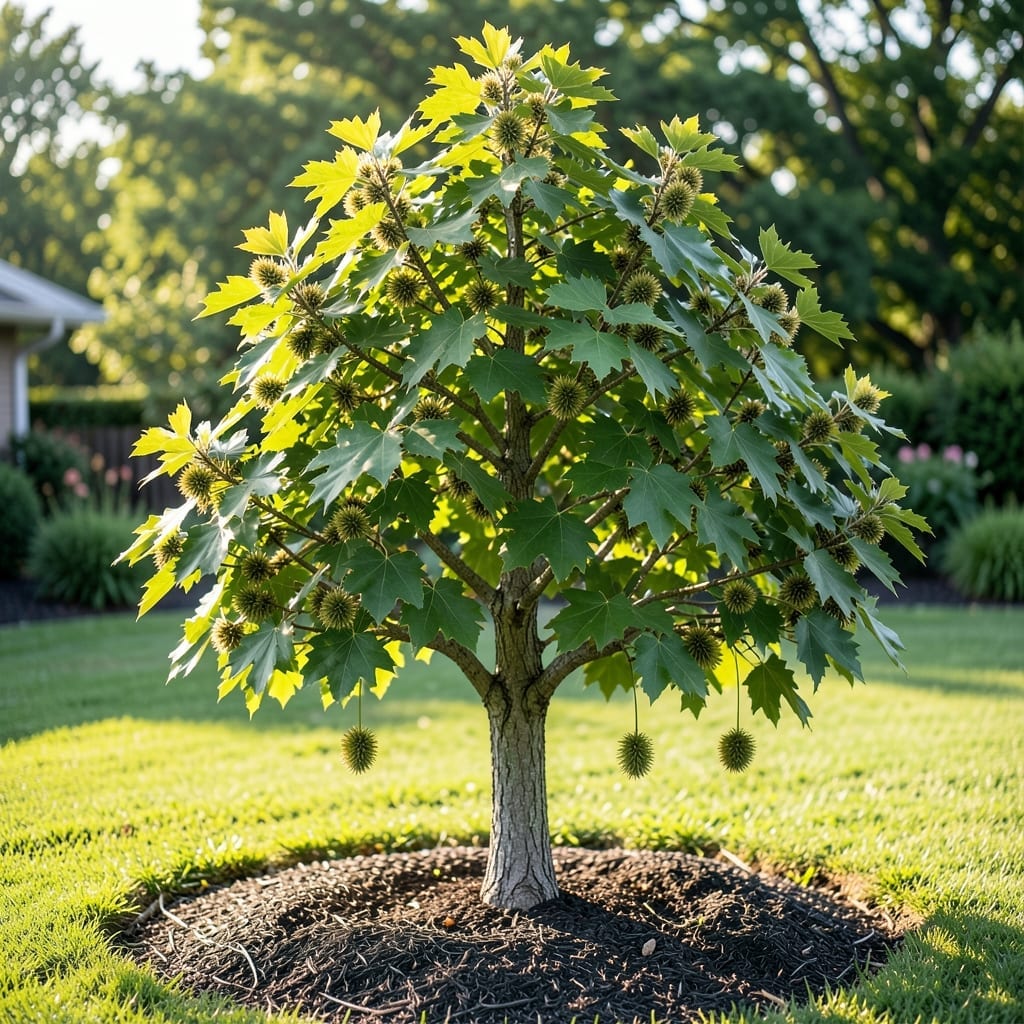
Those little green balls on your tree aren’t ornaments—they’re nature’s clever packaging. I spent years wondering what they were until I realized they’re seed pods, each tree type producing its own unique version.
From maple samaras to sweetgum’s spiky spheres, these structures tell you exactly what species you’re growing. The shape, size, and growth pattern are dead giveaways, and knowing them helps you provide the right care.
You’ll notice they appear at specific times—spring for some, fall for others—following the tree’s natural growth cycle. The key is matching your care to these seasonal rhythms.
Most thrive with full sun and well-draining soil, but the real secret is understanding what these pods reveal about your tree’s needs. Here’s how to decode them.
Those mysterious small green balls on your trees are often a sign of nature’s resilience or an environmental cue. Here are the most common causes:
Many small green balls are galls, abnormal growths triggered by insects, mites, or bacteria. Trees like oaks and maples form these as a protective response—essentially walling off the invader. For example, woolly oak galls are caused by wasp larvae, while cedar-apple galls result from a fungus-like pathogen. These are harmless to the tree’s overall health but can be unsightly.
Some trees, such as sweetgum or black locust, produce small green balls that are actually immature seed pods or fruits. These structures start green and harden or change color as they mature. If the balls are clustered along branches, they’re likely part of the tree’s reproductive cycle—no cause for concern!
Fungi like cedar-quince rust or apple scab can cause small, ball-like growths on leaves or branches. These are often orange or brown but may appear green early on. Fungal galls typically thrive in wet conditions, so improving air circulation and removing infected parts can help.
Extreme weather, pollution, or soil deficiencies can lead to unusual growths, including small green nodules. Trees under stress may produce these as a survival tactic. Testing soil pH and ensuring proper watering can prevent stress-induced abnormalities.
Actionable tip: If the balls are soft and squishy, they’re likely galls—leave them be. If they’re hard and uniform, they’re probably seed pods. For fungal issues, prune affected areas and apply fungicide if necessary.
If your tree is producing small green balls (like galls, seed pods, or immature fruit) and it’s causing concern, here’s how to address the most likely causes:
Insects like gall wasps or aphids lay eggs in branches, creating abnormal growths. Fix: Prune and destroy affected branches in late winter before pests emerge. Apply horticultural oil or neem oil in early spring as a preventive. Avoid heavy pruning during active growth, as it attracts more pests.
Prevention Tip: 💡 Keep trees healthy with proper watering and mulching to reduce stress, which makes them less vulnerable.
Some trees (e.g., oak, hickory, or citrus) drop small green fruit naturally to conserve energy. Fix: Thin out excess fruit early in the season to improve size and quality. Use clean pruners to remove clusters, leaving 6–12 inches between remaining fruit.
Prevention Tip: 🌱 Fertilize in early spring with a balanced formula to support healthy growth and reduce overproduction.
Yellowing leaves or stunted green balls may signal a lack of nitrogen, potassium, or micronutrients. Fix: Test soil with a home kit or send a sample to a lab. Amend with a slow-release fertilizer or organic compost. For iron deficiency (common in acidic soils), apply chelated iron.
Prevention Tip: ✨ Mulch annually with organic matter to improve soil fertility long-term.
Drought or overwatering can cause abnormal growth. Fix: Water deeply 1–2 times per week (more in extreme heat) and ensure good drainage. Use a moisture meter to check soil 2–3 inches down.
Prevention Tip: 🎯 Install a drip irrigation system for consistent moisture, especially for young trees.
Always identify the exact issue before treating—what works for pests won’t help a nutrient problem. When in doubt, consult a local arborist or extension office!
Most green balls are harmless, like seed pods or galls. Galls won’t kill your tree, though heavy infestations may stress it. Seed pods are natural and part of reproduction.
Seed pods often form in spring or early summer, while galls can appear anytime during the growing season. Fungal growths may show up after periods of wet weather.
Seed pods are usually uniform and clustered along branches. Galls are irregular, often isolated, and may feel spongy. Check for insects or damage nearby for clues.