
Beautiful Plants For Your Interior
Beautiful Plants For Your Interior
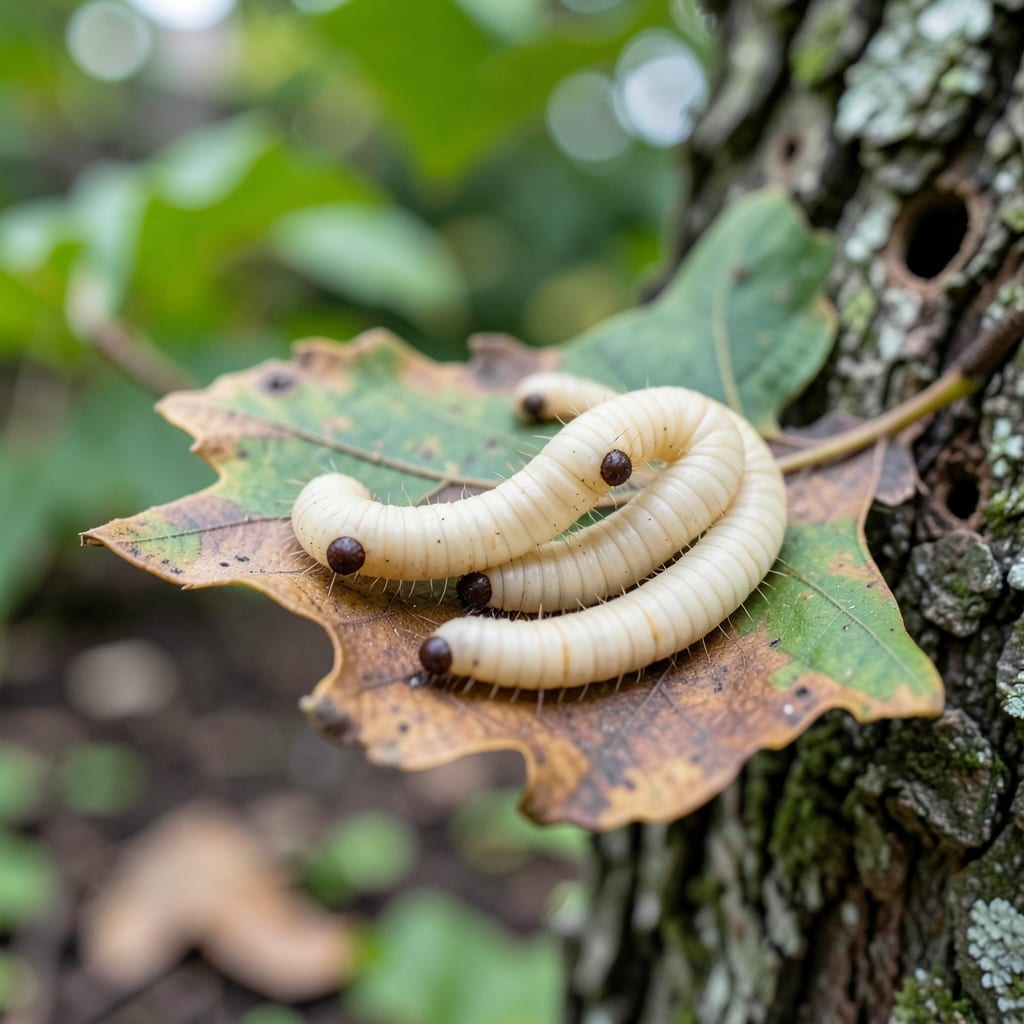
I lost three mature oaks before learning to spot the early signs. Tree killing worms attack silently, often going unnoticed until branches start dying back from the top down.
The damage shows up as brown leaves, holes in bark, or sawdust-like frass around the base. Catching them early means the difference between saving your tree or watching it slowly decline over 2-3 years.
Prevention starts with healthy trees and regular inspections. Organic options like beneficial nematodes work well for early infestations, while targeted treatments may be needed for severe cases.
This guide helps you identify the exact culprit and choose the right response for your situation.
Tree-killing worms, often the larval stage of certain moths or beetles, thrive due to specific environmental and biological conditions. Understanding these causes helps in both prevention and targeted treatment.
Trees under stress from drought, poor soil, or disease emit chemical signals that attract egg-laying pests like the emerald ash borer or gypsy moth. A weakened immune system makes it easier for larvae to burrow in and feed on the cambium layer, disrupting nutrient flow.
Warm, dry summers accelerate the life cycle of wood-boring worms, while mild winters allow more larvae to survive. For example, the pine bark beetle thrives in prolonged drought, as trees produce less defensive resin. Seasonal timing also matters—many species lay eggs in late summer, synchronizing with tree vulnerability.
Infested firewood, nursery stock, or logging equipment unintentionally transports worms across regions. The Asian longhorned beetle, for instance, hitched rides in wooden packing crates, leading to widespread outbreaks. Always source local firewood and inspect new plantings.
Invasive worm species often dominate because their natural predators (e.g., parasitic wasps) aren’t present. Native trees lack evolved defenses, making them easy targets. Introducing biological controls, like Bacillus thuringiensis (Bt), can help restore balance.
Tree-damaging worms can be controlled with the right approach. Below are targeted solutions for common causes, paired with prevention tips to keep your trees healthy long-term.
If the worms are concentrated in the soil, dig out the top 6–12 inches of affected dirt and replace it with fresh, sterile soil. This breaks the life cycle of grubs and larvae. Prevention tip: 💡 Rotate planting areas to avoid recurring infestations in the same spot.
For caterpillars like bagworms or tent caterpillars, introduce beneficial insects such as ladybugs or parasitic wasps. Alternatively, use neem oil or Bacillus thuringiensis (Bt) sprays for a non-toxic fix. Prevention tip: ✨ Inspect leaves weekly during peak growing seasons to catch pests early.
If you spot tiny holes in the bark, prune infested branches immediately to limit spread. Apply horticultural oil or insecticidal soap to suffocate larvae. Prevention tip: 🎯 Avoid wounding trees (e.g., with lawnmowers), as open bark attracts borers.
Healthy trees resist pests better. Water deeply but infrequently, mulch properly (2–4 inches, away from the trunk), and fertilize based on soil tests. Pro tip: 🌡️ Diverse plantings reduce the risk of a single pest wiping out your landscape.
Look for small holes in bark, sawdust-like frass, or yellowing leaves. Early signs include premature leaf drop. Use a flashlight to inspect the trunk at night—some larvae glow under UV light.
No, many worms are beneficial or harmless. Only species like bark beetles or emerald ash borers cause serious damage. Identify the exact type before treatment to avoid unnecessary interventions.
If 50% or more of the tree is damaged, removal may be safest to prevent spreading. For early infestations, prune affected branches and apply targeted treatments like horticultural oil.
Beneficial nematodes and neem oil work well for most larvae. For borers, inject Bt (Bacillus thuringiensis) directly into holes. Always follow label instructions carefully.