
Beautiful Plants For Your Interior
Beautiful Plants For Your Interior
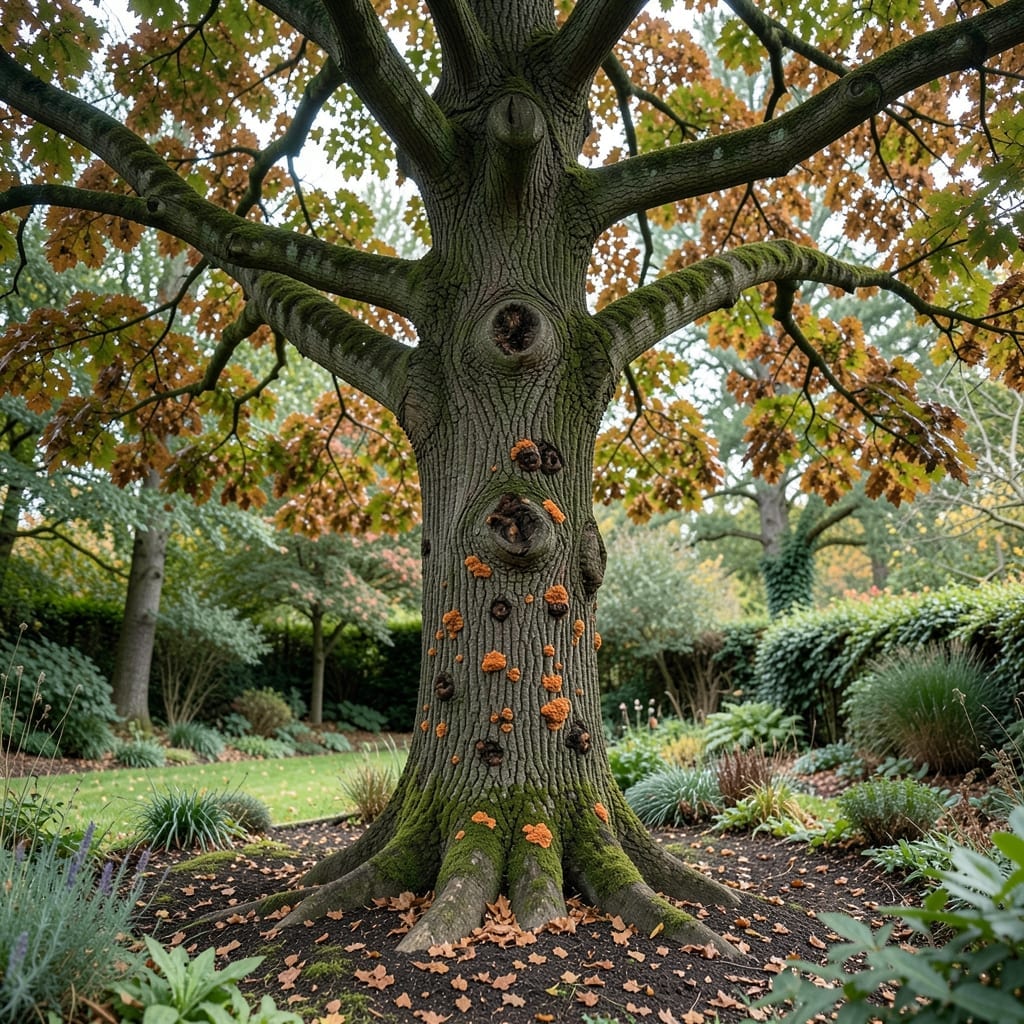
That brown spot on your oak isn’t just a dry spell. I’ve watched healthy trees decline fast when fungus takes hold, but early action can save them.
Most infections show up as discolored leaves, oozing cankers, or powdery growth on bark. The key is catching it before it spreads to the trunk. I learned this the hard way with a maple that didn’t make it.
Organic treatments work surprisingly well—copper sprays, neem oil, and proper pruning stop most problems. The trick is consistency and timing, especially in wet springs when spores thrive.
Your tree can bounce back with the right approach. Here’s how to diagnose and treat it before it’s too late.
Understanding why fungal infections take hold in trees starts with recognizing the conditions that favor their growth. Below are the primary causes, each backed by science and actionable insights.
Fungi thrive in damp environments. Overwatering, poor drainage, or prolonged rain can create the perfect breeding ground for spores. Trees with waterlogged roots or consistently wet bark are especially vulnerable. Action: Improve soil drainage and avoid overhead watering to reduce moisture buildup.
Dense canopies or crowded plantings restrict airflow, trapping humidity around the tree. This stagnation encourages fungal spores to settle and multiply. Action: Prune branches to open the canopy and space trees appropriately to promote ventilation.
Stressed trees—whether from drought, physical injury, or nutrient deficiencies—have weakened defenses. Fungi exploit these vulnerabilities, infiltrating through wounds or compromised bark. Action: Maintain tree health with proper nutrition, timely pruning, and protection from mechanical damage.
Extreme heat or cold can stress trees, making them more susceptible to infections. Some fungi, like Phytophthora, flourish in warm, wet conditions, while others thrive in cooler, damp climates. Action: Monitor weather patterns and adjust care practices to mitigate stress during extreme conditions.
Fungal spores can spread via contaminated pruning tools, infected soil, or even gardening equipment. Reusing tools without sterilization risks transferring pathogens between trees. Action: Sterilize tools with rubbing alcohol or bleach between uses and avoid moving soil from infected areas.
Tackling a fungal infection in your trees requires prompt action and the right approach. Below are practical solutions tailored to common causes, along with prevention tips to keep your trees healthy long-term.
If you spot fungal growth like powdery mildew or leaf spots, start by pruning infected branches with clean, sharp tools. Remove at least 6 inches of healthy tissue below the affected area to ensure the fungus doesn’t spread. Sanitize your tools with rubbing alcohol between cuts. Dispose of the infected material in sealed bags—never compost it.
Prevention tip: Improve airflow by thinning branches and avoiding overhead watering.
Root rot thrives in soggy soil. To fix it, reduce watering and let the soil dry out between sessions. For severe cases, aerate the soil around the tree’s base using a garden fork to break up compacted earth. If the tree is in a low-lying area, consider installing a French drain to redirect excess water.
Prevention tip: Plant trees in well-draining soil and avoid over-mulching, which can trap moisture.
For infections like anthracnose, remove and destroy infected leaves immediately. Then, apply an organic fungicide such as neem oil or copper-based sprays, following the product’s instructions. Treat early in the morning or late evening to avoid harming beneficial insects.
Prevention tip: Rake and dispose of fallen leaves in the fall to reduce overwintering spores.
Fungi like verticillium or fusarium live in the soil and attack roots. Combat them by applying mycorrhizal fungi or compost tea to boost the tree’s natural defenses. These beneficial microbes outcompete harmful pathogens and improve soil health.
Prevention tip: Rotate planting locations for new trees to avoid depleting the soil.
Regularly inspect your trees for early signs of trouble, and act fast to stop fungal infections in their tracks. A little care goes a long way in keeping your landscape vibrant and healthy!
Watch for discolored or spotted leaves, oozing cankers on bark, or white/powdery growth. Early detection often reveals subtle changes like yellowing between leaf veins.
Yes, a baking soda solution (1 tablespoon per gallon of water) can help with mild cases. Add 1 teaspoon of dish soap to help it stick. Apply in cool weather to avoid leaf burn.
Check weekly during wet seasons and monthly otherwise. Focus on new growth, leaf undersides, and bark near the base where infections often start.
Only if you cut 6-12 inches below visible damage and sterilize tools between cuts. Always dispose of infected material in sealed bags, never compost.