
Beautiful Plants For Your Interior
Beautiful Plants For Your Interior
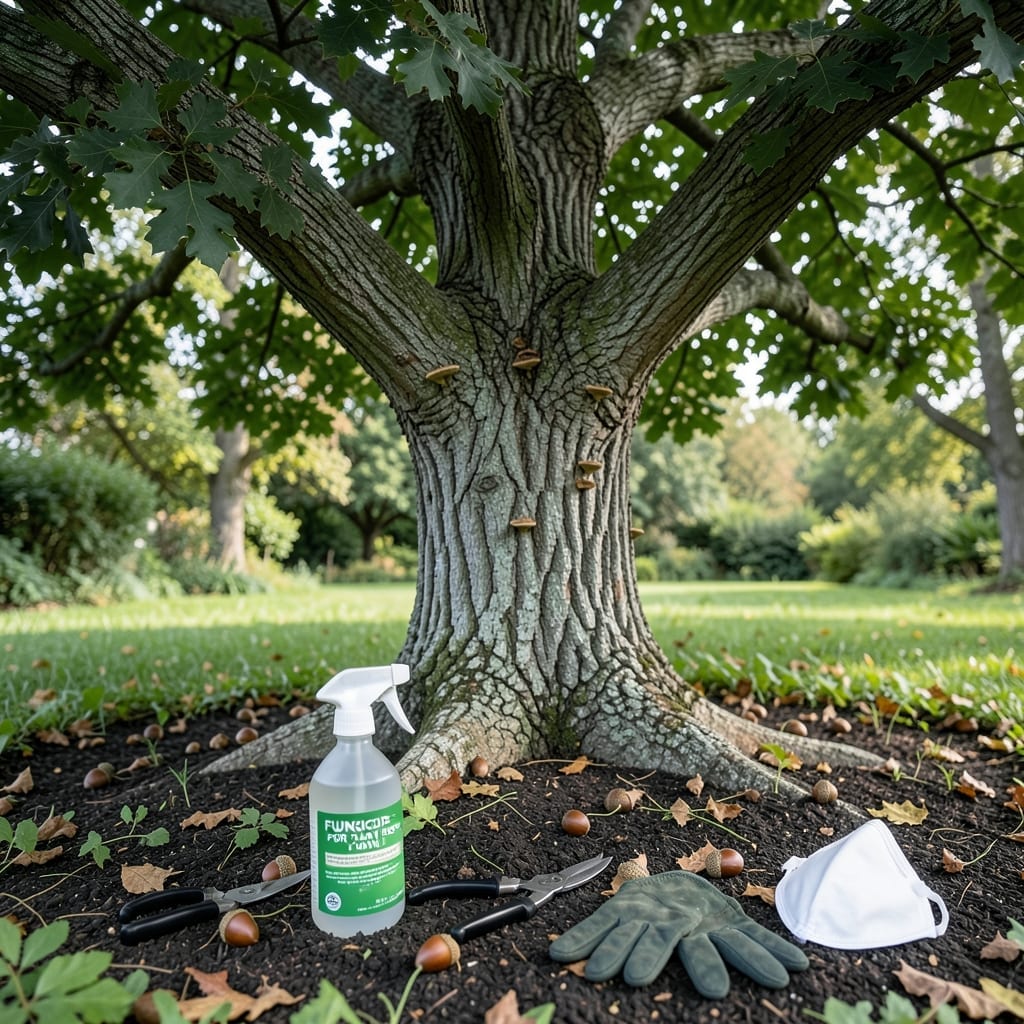
That white powder on your oak leaves isn’t dust. Tree fungus spreads fast, but I’ve stopped outbreaks in their tracks with simple, organic methods that actually work.
Early detection is everything—discolored leaves, unusual growths, or peeling bark are red flags. I learned the hard way that ignoring these signs for even a week can mean losing a mature tree.
Natural treatments like neem oil or baking soda sprays can halt the spread without harsh chemicals. Prevention starts with proper watering and airflow, which most gardeners overlook until it’s too late.
Works for maples, pines, and fruit trees alike. Here’s how to save yours before the damage becomes irreversible.
Tree fungus doesn’t appear out of nowhere—it thrives under specific conditions that weaken a tree’s natural defenses. Understanding these triggers helps you prevent infections before they take hold. Below are the most common causes, backed by science.
Fungi love damp environments. Overwatering, poor soil drainage, or prolonged rain can create the perfect breeding ground. When roots sit in waterlogged soil, they suffocate and weaken, making the tree more susceptible to fungal spores. Pro tip: Ensure your tree’s base has proper drainage to keep roots healthy and dry.
A stressed or injured tree is an open invitation for fungus. Physical damage (e.g., pruning cuts, storms, or animal scratches) exposes inner tissue, allowing spores to enter. Nutrient deficiencies or pest infestations also compromise a tree’s immune system. Actionable step: Regularly inspect trees for wounds and treat them promptly with organic sealants.
Dense canopies or crowded plantings trap moisture and reduce airflow, creating a humid microclimate ideal for fungal growth. Thin out branches to improve ventilation, especially in species prone to fungus (e.g., oak, maple, or pine). Science note: Fungi like Phytophthora spread faster in stagnant, humid air.
Fungal spores hitch rides on dirty pruning tools, gardening equipment, or even infected soil. Reusing contaminated tools between trees spreads pathogens rapidly. Prevention: Sterilize tools with rubbing alcohol or a bleach solution (1:10 ratio) after each use.
Tackling tree fungus early keeps your trees healthy and your yard vibrant. Below are targeted solutions for common fungal issues, paired with prevention tips to stop them from returning.
Trim crowded branches to let sunlight and air reach the center of the tree. Apply a mix of 1 tablespoon baking soda, 1 teaspoon dish soap, and 1 gallon of water as a spray every 1-2 weeks until the fungus clears. Prevention tip: Space trees properly during planting and avoid overhead watering.
If the soil stays soggy, amend it with compost or sand to improve drainage. For severe cases, use a fungicide containing copper and water only when the top 2 inches of soil are dry. Prevention tip: Plant trees in raised beds if your soil retains too much moisture.
Prune away any soft, discolored, or crumbly wood with sterilized tools. Seal large cuts with tree wound paste to deter spores. Prevention tip: Inspect trees annually for wounds or cracks, and keep them free of pests that can introduce fungus.
Rake and destroy fallen leaves and fruit to remove fungal spores. Apply a neem oil spray every 7-10 days during the growing season. Prevention tip: Water at the base of the tree to keep foliage dry, reducing spore germination.
Pro tip 🌡️: Always sterilize pruning tools with rubbing alcohol between cuts to avoid spreading the fungus to healthy parts of the tree.
For sprays like neem oil or baking soda mix, apply every 7-10 days during active growth. For severe infections, increase to every 5-7 days until symptoms fade.
Yes, but dilute to half-strength for saplings under 2 years old. Always test on a small area first. Copper-based options are gentler than synthetic alternatives.
Check for white powdery spots on leaves or dark, sunken areas on bark. Early detection means easier treatment and less damage.
No—composting may not kill fungal spores. Burn or bag infected material to prevent reinfection. Never use it as mulch.