
Beautiful Plants For Your Interior
Beautiful Plants For Your Interior
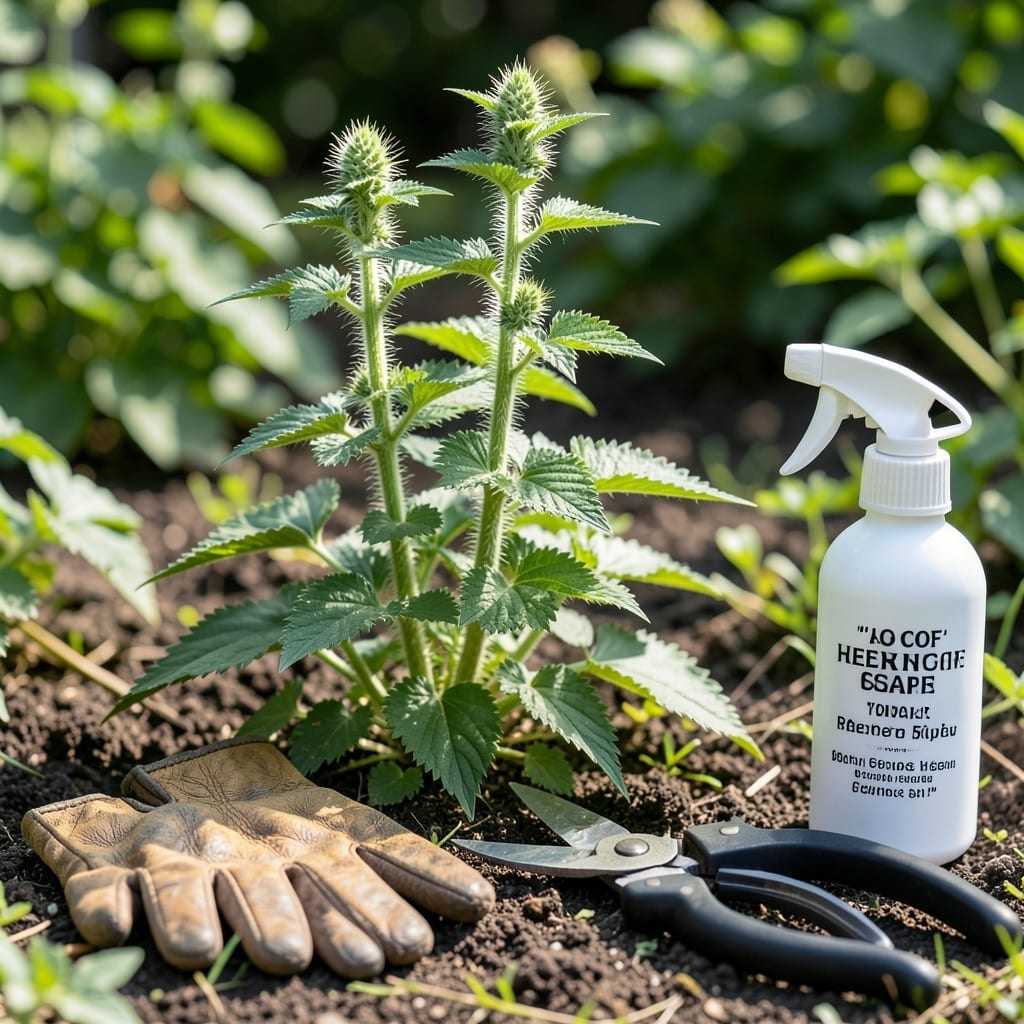
That sting hits like a warning shot from nature. I’ve learned nettles appear where soil is rich but disturbed—often in corners we’ve neglected or over-fertilized.
Here’s the thing—gloves and long sleeves are non-negotiable. Cut them back before they seed, and you’ll stop next year’s invasion before it starts. A sharp spade at the base works better than pulling.
For immediate relief, dock leaves aren’t just an old wives’ tale. Crush one and rub it on the sting for instant soothing. Works shockingly well.
Prevention is simpler than you think: consistent mulching and competing plants like comfrey crowd them out naturally. No chemicals needed.
Nettle stings happen due to the plant’s natural defense mechanism. The Urtica dioica (common nettle) has tiny, hollow hairs called trichomes on its leaves and stems. These trichomes act like microscopic needles, injecting a cocktail of chemicals when touched. Understanding the causes helps you avoid or mitigate reactions.
The sting’s intensity comes from a mix of compounds, including formic acid (also found in ant venom), histamine, serotonin, and acetylcholine. These chemicals trigger inflammation, pain, and itching by disrupting skin cells and nerve endings. Histamine, for instance, increases blood flow to the area, causing redness and swelling.
Brushing against or gripping nettle leaves breaks the trichomes, releasing their contents into your skin. Even light contact—like walking through a patch in tall socks—can cause a reaction. The hairs are fragile, so minimal pressure is enough to penetrate the skin’s outer layer.
Nettles are more potent during spring and summer, when the plant is actively growing. Warmer temperatures increase the concentration of irritants in the trichomes. Additionally, damp conditions can make the hairs more brittle, heightening the risk of a sting with even casual contact.
Not everyone reacts the same way. People with sensitive skin or allergies may experience more severe symptoms, like prolonged pain or blistering. Prior exposure can also play a role—some develop mild tolerance, while others become more reactive over time.
When nettle stings strike, fast action eases the pain and prevents lingering irritation. Here’s how to tackle each cause with simple, effective fixes—and keep future flare-ups at bay.
Rinse the area immediately with cool water to wash away residual formic acid. Apply a paste of baking soda and water to neutralize the sting, or dab on calamine lotion to calm itching. For stubborn pain, a cold compress reduces swelling. Prevention tip: 💡 Wear long sleeves, gloves, and closed-toe shoes when handling nettles or weeding.
Pull nettles by the roots using a trowel or hoe, but avoid bare hands—use thick gloves. For large patches, smother them with cardboard or mulch to block sunlight. Dispose of plants in a sealed bag to prevent regrowth. Prevention tip: ✨ Regularly inspect your garden and remove young nettles before they spread.
If nettle hairs embed in fabric, shake out clothes outside and wash them in hot water with detergent. For stubborn fibers, soak in white vinegar before washing. Prevention tip: 🎯 Designate a pair of gardening pants and a long-sleeve shirt specifically for nettle-prone areas.
Rinse your pet’s fur with cool water and mild soap to remove irritants. Check paws and belly for lingering hairs. Apply a pet-safe antihistamine gel if itching persists. Prevention tip: 🌡️ Keep pets leashed in areas where nettles grow wild.
Rinse with cool water, then apply a baking soda paste or crushed dock leaf. The alkaline baking soda counters the acidic sting, while dock leaves contain natural anti-inflammatory compounds.
Wear thick gloves, long sleeves, and use a trowel to dig up roots. Avoid touching stems or leaves directly. For large patches, smother with cardboard and mulch.
Yes, if roots remain in the soil. Dispose of plants in sealed bags and monitor the area for regrowth. Consistent mulching helps prevent their return.