
Beautiful Plants For Your Interior
Beautiful Plants For Your Interior
That itchy rash doesn’t have to ruin your week. White vinegar offers a simple, natural way to soothe poison ivy irritation and help your skin heal faster.
I’ve used this method after accidental brushes with the plant, and it cuts the discomfort significantly. Just apply it carefully—vinegar’s acidity can dry out skin, so follow the steps closely.
📚 In This Guide
This natural approach soothes the itch and helps dry up the rash safely.
First, make sure you’re dealing with poison ivy. Look for red, itchy blisters in a streaky pattern, often appearing 12-48 hours after exposure. The rash typically shows up on exposed skin like hands, arms, or legs. Avoid scratching, as this can spread the irritating oil (urushiol) and lead to infection.
If you’re unsure, recall any recent contact with plants that have three leaflets—the classic “leaves of three, let it be” rule. Wash the affected area with cool water and mild soap immediately to remove any lingering oil. This first wash is critical to prevent the rash from worsening.
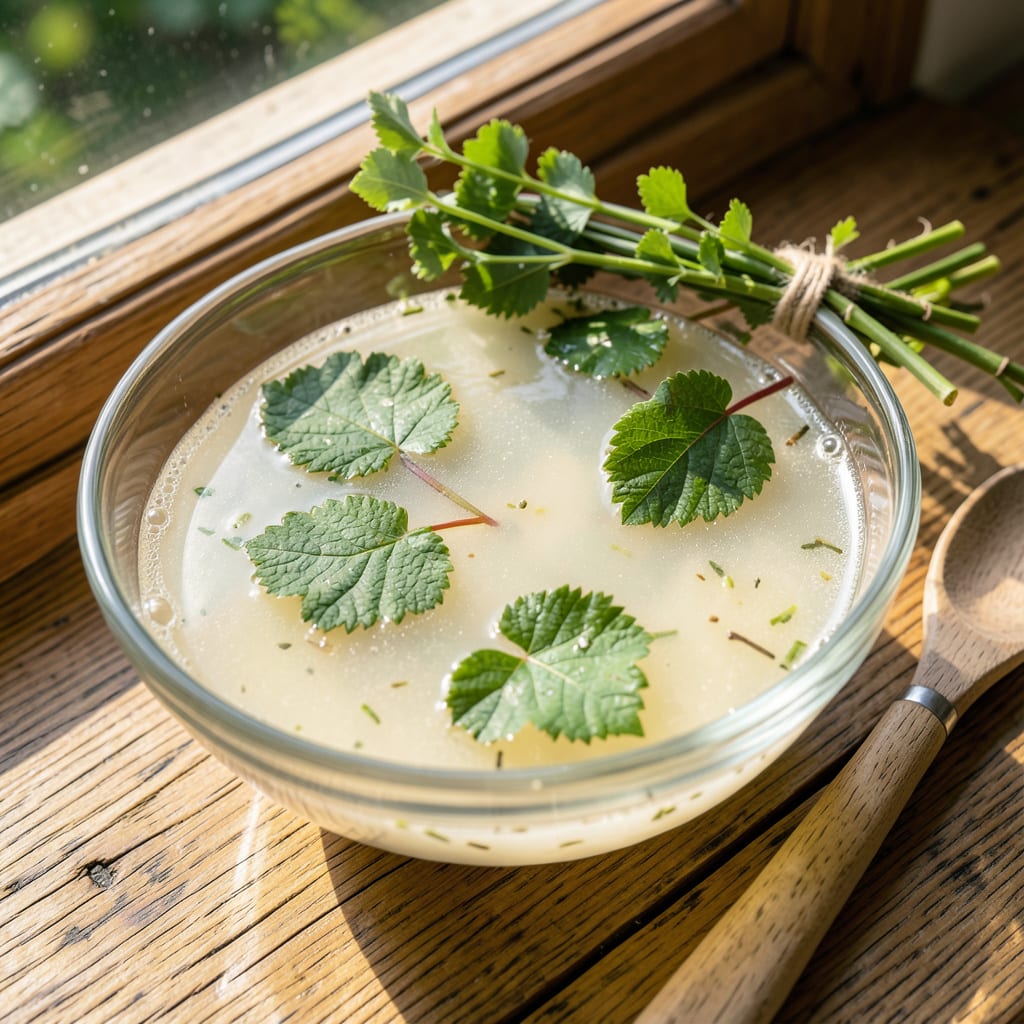
Mix equal parts white vinegar and cool water in a clean bowl or container. White vinegar’s acetic acid helps neutralize the rash and relieve itching. Use enough to fully saturate a clean cloth or cotton ball for application.
Test the solution on a small patch of unaffected skin first to ensure you don’t have a sensitivity to vinegar. If redness or irritation occurs, dilute with more water. The mixture should feel soothing, not harsh or burning.
Dip a soft cloth or cotton pad into the vinegar solution and gently dab it onto the rash. Focus on the blistered areas, but avoid rubbing, as this can pop blisters and spread the irritation. Let the solution air dry on the skin—don’t rinse it off.
Reapply 2-3 times daily until the rash improves. You’ll notice the itching subsides within 24-48 hours, and the blisters will begin to dry out. If the skin starts to feel overly dry or cracked, reduce applications to once daily.
Keep the affected area clean and dry between applications. Use mild, fragrance-free soap and pat dry with a clean towel—never rub. Wash your hands thoroughly after touching the rash to prevent spreading urushiol to other body parts or surfaces.
Wear loose, breathable clothing to avoid further irritation. If the rash spreads, becomes extremely painful, or shows signs of infection (like pus or increasing redness), stop the vinegar treatment and consult a healthcare provider immediately.
Learn to recognize poison ivy in all seasons—it can appear as a ground vine, shrub, or climbing plant. The leaves may be glossy or dull, and the plant can have white berries in fall. Wear long sleeves, pants, and gloves when working in areas where poison ivy grows.
After potential exposure, wash skin, clothing, and tools with soap and cool water within 10-15 minutes to remove urushiol before it binds to the skin. This simple step can prevent a rash from developing altogether.
These practical pointers will help you get the most relief safely and effectively.
Application Technique: In Step 3, when applying the solution, use gentle dabbing motions rather than rubbing. Rubbing can break blisters and spread the urushiol oil, making the rash worse. Let the vinegar mixture air dry completely—this gives the acetic acid time to work on the irritation.
Timing Matters: The 12-48 hours window mentioned in Step 1 for rash appearance is critical. If you suspect exposure but don’t see a rash yet, start washing with soap and cool water immediately. For the treatment itself, those 24-48 hours of consistent application in Step 3 are when you’ll see the most itch relief.
Prevention Window: Step 5’s 10-15 minutes post-exposure wash is your best defense. Urushiol oil binds to skin quickly, so washing within this timeframe can prevent the rash from developing at all. Keep soap and cool water handy if you’re working in areas where poison ivy grows.
Solution Testing: Don’t skip the patch test in Step 2. Some people have sensitive skin that reacts to vinegar’s acidity. If you notice redness or irritation on the test patch, dilute the mixture with more water until it feels soothing rather than harsh.
White vinegar can help dry out poison ivy plants when applied directly to the leaves, but it may take multiple applications and works best on young plants. It’s not a guaranteed herbicide but can be effective as a natural remedy.
Results may appear within a few days to a week, depending on the plant’s size and vinegar concentration. Reapply every few days for stubborn growth. Patience is key!
No, white vinegar is not recommended for treating poison ivy rash on the skin. Instead, use soothing remedies like cold compresses, oatmeal baths, or over-the-counter creams.
For a stronger natural approach, mix vinegar with salt and dish soap. Alternatively, use commercial herbicides or manually remove the plants with gloves and tools.
Older plants or incomplete coverage may reduce effectiveness. Ensure you’re using undiluted vinegar and applying it on sunny days for best results.
