
Beautiful Plants For Your Interior
Beautiful Plants For Your Interior
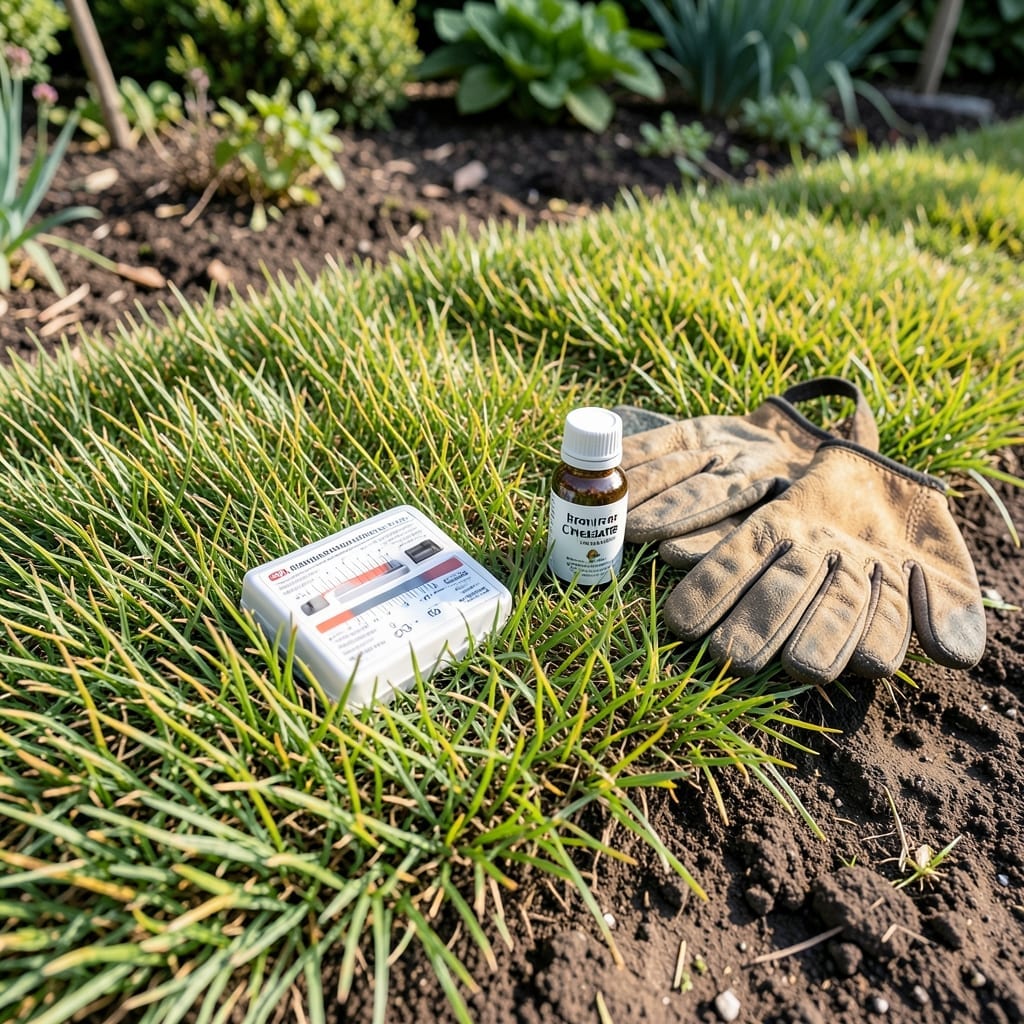
Your lawn turning an unnatural orange hue? I’ve seen this exact problem before—too much iron in the soil can create more harm than good, despite its reputation as a nutrient.
This usually happens after over-application of iron supplements or fertilizers. The grass develops a rusty tint, and growth slows as the soil chemistry goes out of balance. A simple soil test will confirm if iron levels are excessive.
Fortunately, the fix is straightforward. Stop adding iron immediately and focus on restoring balance with organic matter and proper pH levels. Your lawn will thank you within 2-3 weeks.
Works for any grass type and most soil conditions. Here’s how to diagnose and correct it properly.
Excess iron in your lawn often stems from a few common sources. Understanding these causes helps you address the issue effectively.
Many lawn care products contain iron to treat deficiencies, but applying too much can lead to an overload. Iron sulfate and chelated iron are common culprits. Always follow label instructions and test soil before adding supplements.
If your water source has high iron content (common in well water), repeated irrigation can gradually build up iron in the soil. This is especially true in areas with iron-rich groundwater.
Sometimes, iron-laden soil amendments or fill dirt are introduced during landscaping. Construction debris or industrial byproducts mixed into the soil can also contribute to elevated iron levels.
In some regions, the native soil naturally contains high iron concentrations. Clay-heavy soils or those near iron deposits may require extra attention to prevent imbalance.
If your lawn has too much iron, don’t worry—there are straightforward ways to balance your soil and restore healthy grass. Below are targeted fixes for the most common causes, along with prevention tips to keep your lawn thriving.
If excessive iron supplements are the culprit, leach the soil to wash out the buildup. Water deeply (6–8 inches) over several days to help dilute and drain excess iron. For severe cases, consider replacing the top 2–3 inches of soil in heavily affected areas.
Prevention tip: 💡 Always follow fertilizer label rates—more isn’t better. Test soil before reapplying iron.
If your irrigation water is iron-rich, switch to a rainwater collection system or use filtered water for lawn care. Installing a simple sediment filter on your hose can also reduce iron deposition over time.
Prevention tip: 💡 Test your water annually if you rely on well water.
Iron becomes more soluble in acidic soil (pH below 6.0), increasing uptake by grass. Apply lime (calcium carbonate) to raise pH to the ideal range of 6.0–7.0. Follow package instructions for application rates, and retest soil after 2–3 months.
Prevention tip: 💡 Amend soil with compost yearly to maintain balanced pH naturally.
If iron-rich materials (like rusty metal or slag) were mixed into the soil, physically remove them where possible. For widespread contamination, till the area and mix in clean topsoil to dilute the iron concentration.
Prevention tip: ✨ Inspect soil before major landscaping projects, especially in urban or previously developed areas.
Look for orange or rust-colored grass blades and stunted growth. A soil test will confirm high iron levels, usually above 100 ppm.
Over time, iron toxicity can damage grass roots, reduce nutrient uptake, and leave patches of weak, discolored turf. Early action prevents long-term harm.
Yes! Deep watering for 5-7 days helps flush excess iron. For acidic soil, apply lime to reduce iron solubility.
Too much lime can raise pH excessively, causing new imbalances. Always follow package rates and retest soil after 2-3 months.