
Beautiful Plants For Your Interior
Beautiful Plants For Your Interior
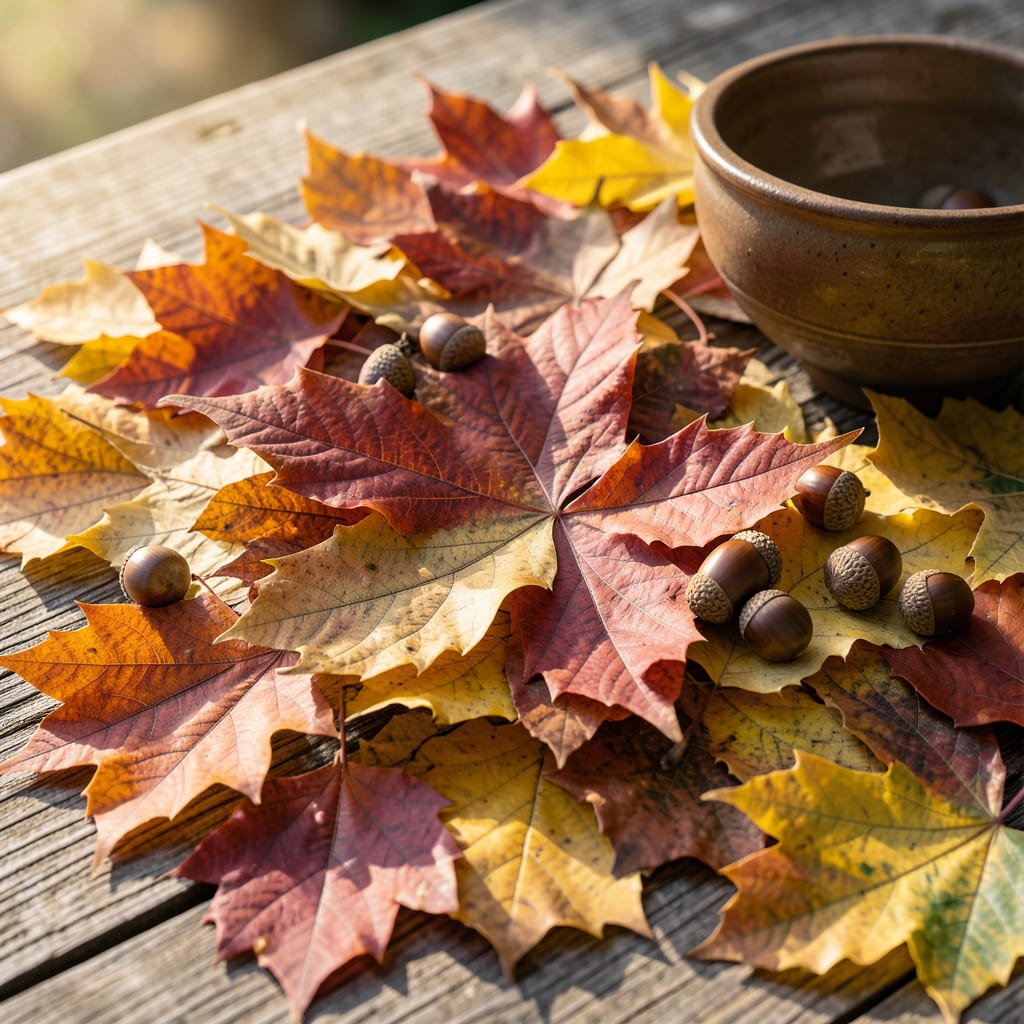
First time I saw orange leaves fade to yellow, I panicked. 🌱 Turns out it’s often a cry for help from the soil, not a death sentence for your plant.
Most cases trace back to nitrogen hunger, but iron and magnesium shortages can do the same damage. The pattern matters—yellow between veins or whole leaves—tells you which nutrient is missing.
Once you spot the culprit, a soil test confirms it. Then it’s simple: add the right fertilizer or adjust your watering. Plants bounce back fast when you give them what they need.
Works for citrus, maples, or any plant with this color shift. Here’s how to diagnose and fix it yourself.
Orange leaves turning yellow often signal underlying issues in the plant’s health. Below are the most common causes, explained with actionable insights. 🌱
Overwatering or underwatering disrupts nutrient uptake, leading to chlorosis (yellowing). Overwatering suffocates roots, reducing oxygen absorption, while underwatering prevents essential minerals from reaching the leaves. Fix: Check soil moisture 2 inches deep—water only when dry.
A lack of nitrogen, iron, or magnesium often causes yellowing. Nitrogen deficiency starts in older leaves, while iron deficiency (common in alkaline soil) affects younger leaves first. Fix: Test soil pH (ideal: 6.0–7.0) and amend with compost or chelated iron.
Spider mites, aphids, or scale insects sap nutrients from leaves, causing yellow spots or widespread discoloration. Check leaf undersides for webbing or sticky residue. Fix: Spray with neem oil or insecticidal soap weekly.
Root rot or leaf spot diseases (e.g., Phytophthora) block water transport, leading to yellow, wilting foliage. Fungal spores thrive in wet conditions. Fix: Improve drainage, remove infected leaves, and apply copper fungicide.
Yellow leaves on your orange tree are a cry for help, but the good news is most causes are fixable. Below are targeted solutions for the most common issues, paired with prevention tips to keep your tree thriving.
If the yellowing starts on older leaves, your tree likely needs nitrogen. Use a balanced citrus fertilizer (like 10-10-10) and apply it every 4-6 weeks during the growing season. For iron or magnesium deficiency (yellowing between veins), spray the leaves with chelated iron or Epsom salt solution (1 tablespoon per gallon of water).
Prevention: Test your soil annually and amend with compost to maintain nutrient balance. 💡 Pro tip: Avoid over-fertilizing—it can burn roots and worsen the problem.
Yellow leaves with a wilting appearance often mean root rot from too much water. Let the top 1-2 inches of soil dry out before watering again. If the pot or planting area lacks drainage, repot the tree in well-draining soil mixed with perlite or sand. For severe cases, trim any black, mushy roots and repot in fresh soil.
Prevention: Use a moisture meter or the finger test to check soil dampness. Water deeply but less frequently. ✨
Sudden temperature drops, frost, or heatwaves can shock your tree, leading to yellow leaves. If frost is forecasted, cover your tree with a frost cloth or move potted trees indoors. For heat stress, provide afternoon shade and mulch the base to retain moisture.
Prevention: Acclimate your tree gradually to outdoor conditions and avoid placing it near heat sources or drafts.
Check the undersides of leaves for aphids, scale, or spider mites. Blast them off with a strong stream of water, then apply neem oil or insecticidal soap every 5-7 days until they’re gone. For stubborn infestations, introduce beneficial insects like ladybugs.
Prevention: Inspect leaves regularly and keep the area around your tree clean and debris-free to deter pests. 🎯
Check the soil 2 inches down. If it’s soggy, you’re overwatering. If bone dry, it needs more. Overwatered leaves often feel soft, while underwatered ones are crisp.
Nitrogen deficiency starts with older leaves. Iron deficiency shows as yellow between veins on new growth. A soil test gives the exact answer.
Severely yellow leaves usually won’t recover, but fixing the root issue saves the rest. New growth will be healthy once conditions improve.
Use a balanced citrus fertilizer every 4-6 weeks during growing season. Always follow label rates to avoid burning roots.
