
Beautiful Plants For Your Interior
Beautiful Plants For Your Interior
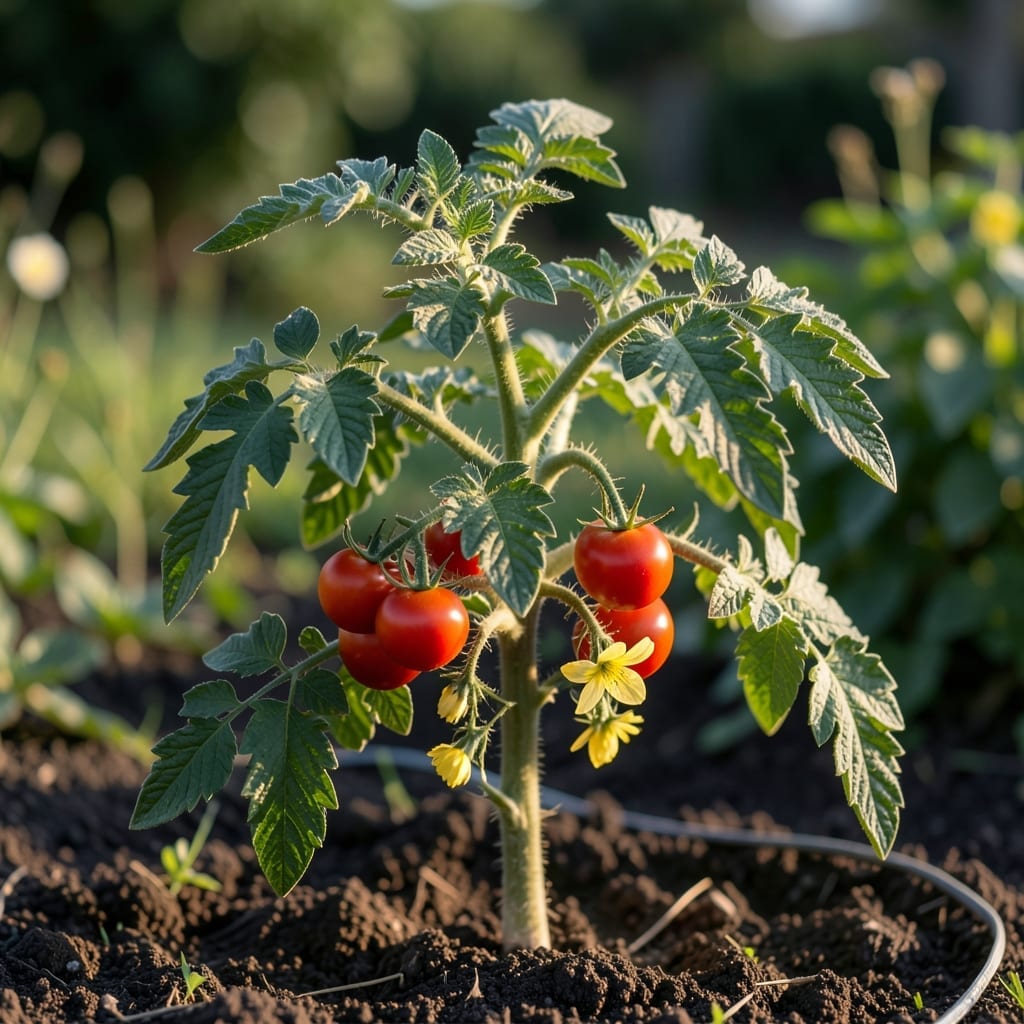
Nothing stings like watching your tomato plants load up with fruit that just won’t turn red. I’ve stood in my garden, staring at stubborn green oranges, wondering what I did wrong—until I figured out the simple fixes.
It’s usually not disease or poor soil. More often, it’s temperature swings, too little sunlight, or even over-fertilizing with nitrogen. The plants look healthy, but the fruit stays stubbornly unripe.
With a few tweaks—like adjusting shade cloth or picking at the right stage—you can coax those tomatoes into ripening. I’ve saved entire harvests this way.
These tricks work for cherry tomatoes, heirlooms, and everything in between. Let’s turn that green into red.
Tomatoes may stay green or yellow for several reasons, most tied to environmental stress or biological factors. Here’s why your harvest might be lagging behind:
Tomatoes stop producing lycopene and carotene—the pigments responsible for red color—when temperatures drop below 50°F (10°C) or climb above 85°F (29°C). Heatwaves can slow ripening, while cold snaps halt it entirely. Even nighttime temps below 55°F (13°C) can delay color change.
Tomatoes need 6–8 hours of direct sunlight daily to synthesize pigments. Shade from overgrown foliage, nearby structures, or cloudy weather can stunt lycopene production. Prune excess leaves to improve light penetration, especially for lower clusters.
Too much nitrogen (from over-fertilizing) promotes leafy growth at the expense of fruit ripening. Conversely, a phosphorus or potassium deficiency can slow maturation. Test your soil: aim for a balanced NPK ratio (e.g., 5-10-10) during fruiting stages.
Fluctuations in soil moisture stress the plant, diverting energy from ripening. Overwatering can dilute nutrients, while drought triggers survival mode. Maintain consistent moisture—about 1–1.5 inches per week—using drip irrigation to avoid wetting foliage.
Some heirloom or green-when-ripe varieties (e.g., Green Zebra) naturally stay partially green. Check your seed packet: if the variety is supposed to ripen red, genetics aren’t the issue. For hybrids, stress or disease may also disrupt pigment development.
If your tomatoes are stubbornly staying green, try these targeted fixes based on the most common causes. Each solution is simple and actionable, with tips to keep your future harvests vibrant.
Move potted plants to a sunnier spot (6–8 hours of direct light daily). For in-ground tomatoes, prune nearby foliage or use reflective mulch to boost light exposure. Prevention tip: Plant in full-sun locations from the start.
If nights are below 50°F (10°C) or days exceed 90°F (32°C), ripening slows. Use row covers to retain warmth or shade cloth to cool plants. Prevention tip: Choose heat-tolerant varieties for hot climates.
Over-fertilizing with nitrogen (promotes leaves, not fruit) can delay ripening. Switch to a low-nitrogen, high-phosphorus fertilizer. Prevention tip: Test soil before planting and amend as needed.
Some late-season tomatoes just need time. If frost threatens, pick green tomatoes and ripen indoors with a banana (ethylene gas speeds it up). Prevention tip: Plant early-maturing varieties in short-season areas.
Check for pests, blight, or water stress. Treat issues promptly and maintain consistent moisture. Prevention tip: Use drip irrigation and rotate crops yearly.
Place green tomatoes in a paper bag with a ripe banana or apple. The ethylene gas they release will accelerate ripening in 5-10 days. Store at room temperature, away from direct sunlight.
Orange color often means they’re close but need more warmth. Move them to a sunnier spot or use a ripening box. Temperatures below 50°F or above 85°F can stall the final color change.
Yes! Pinching off new flowers and small fruit directs the plant’s energy toward ripening existing tomatoes. This works well in late season or if the plant is stressed.
Too much water can dilute nutrients and stress the plant. Stick to 1-1.5 inches per week and use drip irrigation to keep foliage dry. Consistency is key.