
Beautiful Plants For Your Interior
Beautiful Plants For Your Interior
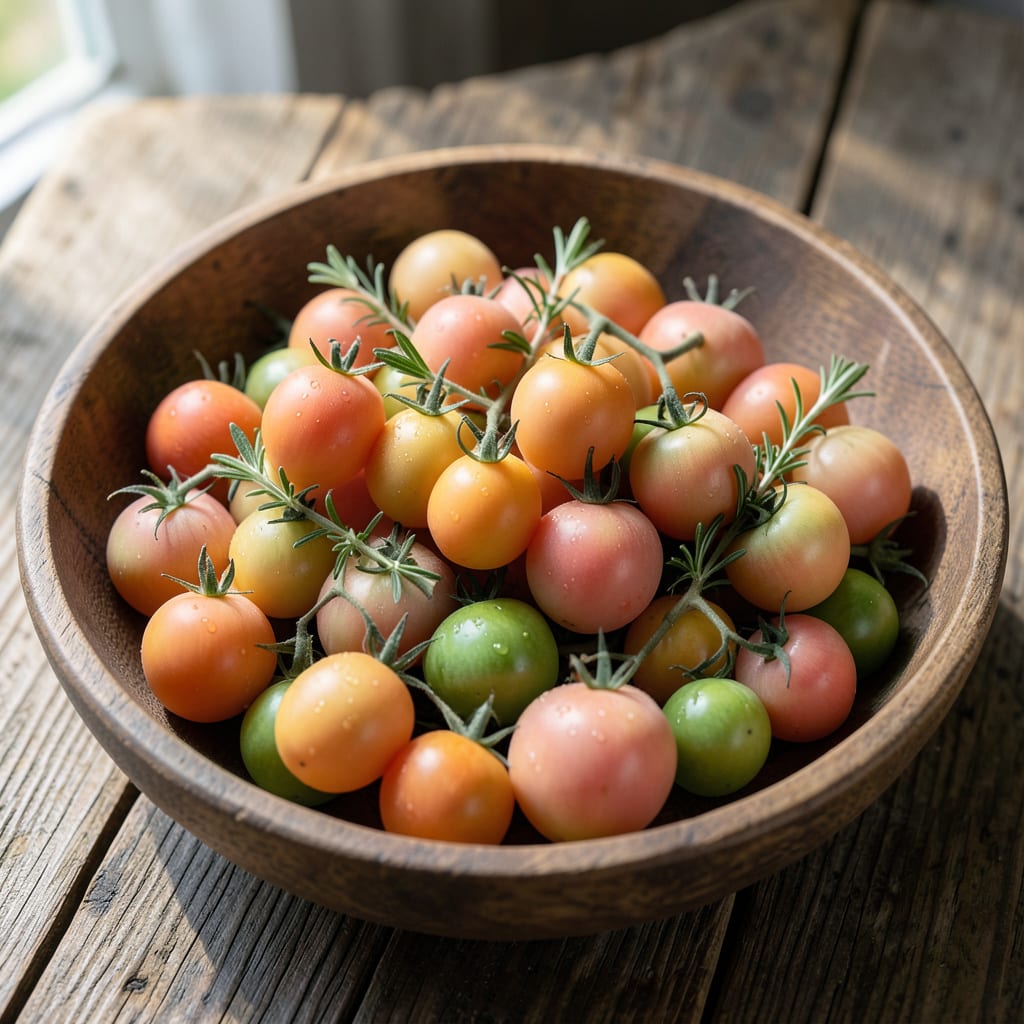
Nothing stings like watching your cherry tomatoes stay stubbornly green for weeks. I learned the hard way that sunlight, not time, is often the missing piece—these plants need 6-8 hours of direct light daily to ripen properly.
The fix is usually simpler than you think: adjust their position, check for nutrient gaps, or just wait out a cool spell. Most of the time, they’ll turn vibrant red once the conditions align. Here’s how to troubleshoot it.
📚 In This Guide
These are the proven techniques I use to coax stubborn tomatoes to full, vibrant ripeness every time.
Tomatoes stop ripening properly when temperatures drop below 50°F or climb above 85°F. Check your nighttime temperatures especially—cool nights below 55°F slow the ripening process significantly. Move potted plants to a warmer location or use row covers to maintain warmth.
Ensure plants receive 6-8 hours of direct sunlight daily. Shade from nearby trees or structures can delay ripening. I’ve found that tomatoes on the north side of my garden take 2-3 weeks longer to ripen than those in full southern exposure.
Inconsistent moisture causes blossom end rot and slows ripening. Water deeply at the base 2-3 times weekly rather than daily light sprinkles. The soil should feel evenly moist but not waterlogged—stick your finger 1 inch deep to check.
Reduce watering as tomatoes begin to ripen. Too much water at this stage dilutes flavor and can cause splitting. I cut back by about 30% when I see the first color change from green to yellow, which usually signals ripening is about to accelerate.
Tomatoes need phosphorus and potassium for ripening, not nitrogen which promotes leafy growth. Switch to a low-nitrogen, high-phosphorus fertilizer (like 5-10-10) when fruits are half their mature size. Apply according to package directions, typically every 2-3 weeks.
Avoid over-fertilizing, which can lead to lush foliage but poor fruit production. I’ve seen plants loaded with leaves but no tomatoes when given too much nitrogen early in the season. Yellowing leaves at the bottom are normal; yellowing higher up may indicate nutrient deficiency.
Remove suckers (the shoots that grow between the main stem and branches) to direct energy toward fruit production. Use clean pruners to make a sharp cut at the base of the sucker. This improves air circulation and reduces disease pressure that can stress plants.
Thin some of the smaller fruit clusters if the plant is overloaded. I leave 4-5 tomatoes per cluster for cherry varieties, removing the smallest ones. This allows the remaining fruits to size up properly and ripen more uniformly.
Cherry tomatoes often ripen from the inside out. If they’re showing color but not fully red, pick one and cut it open—if the interior is red or orange, they’re ripening properly. Sometimes they’ll finish ripening off the vine if picked at the breaker stage (when color first appears).
Store picked green tomatoes in a paper bag with a ripe banana or apple at room temperature. The ethylene gas from the fruit speeds ripening. Check daily—most will turn fully red within 3-5 days. Don’t refrigerate unripe tomatoes as this halts the ripening process completely.
Small adjustments make a big difference with stubborn tomatoes.
Temperature Matters: Keep your plants in the sweet spot between 50°F and 85°F. Nighttime dips below 55°F slow ripening dramatically, so move potted plants indoors or use row covers. I learned this the hard way after losing an entire early crop to an unexpected cold snap.
Light Requirements: The 6-8 hours of direct sunlight daily is non-negotiable. If your plants are shaded, don’t expect them to ripen properly. I’ve seen north-side plants take 2-3 weeks longer than those in full sun—relocate them if possible.
Watering Wisdom: Stick to 2-3 deep waterings weekly and check soil 1 inch deep for moisture. When you see the first color change from green to yellow, cut back by 30% to prevent splitting and flavor dilution. This one change fixed my waterlogged, tasteless tomatoes.
Fertilizer Focus: Switch to a low-nitrogen, high-phosphorus fertilizer (like 5-10-10) when fruits are half-sized. Apply every 2-3 weeks as directed—overdoing it early leads to leafy growth with no fruit. Trust me, I’ve had plants that looked like small trees with zero tomatoes.
This usually happens due to insufficient sunlight, extreme temperatures, or nutrient deficiencies. Ensure your plants get 6-8 hours of sunlight daily and maintain consistent watering. A balanced fertilizer can also help.
Cherry tomatoes typically ripen 20-30 days after flowering, depending on the variety and growing conditions. Cooler temperatures or poor light can slow this process down.
Yes! Pick tomatoes at the “breaker stage” (when they start changing color) and place them in a warm, dark spot indoors. They’ll continue to ripen, though flavor may be slightly milder.
Check for overcrowding, prune excess foliage to improve airflow, and consider using a ripening hormone spray. Also, avoid over-fertilizing with nitrogen, which can delay ripening.
Absolutely! Varieties like ‘Sun Gold’ (orange) or ‘Yellow Pear‘ stay yellow or golden when ripe. Always verify the expected color for your specific tomato variety.
