
Beautiful Plants For Your Interior
Beautiful Plants For Your Interior
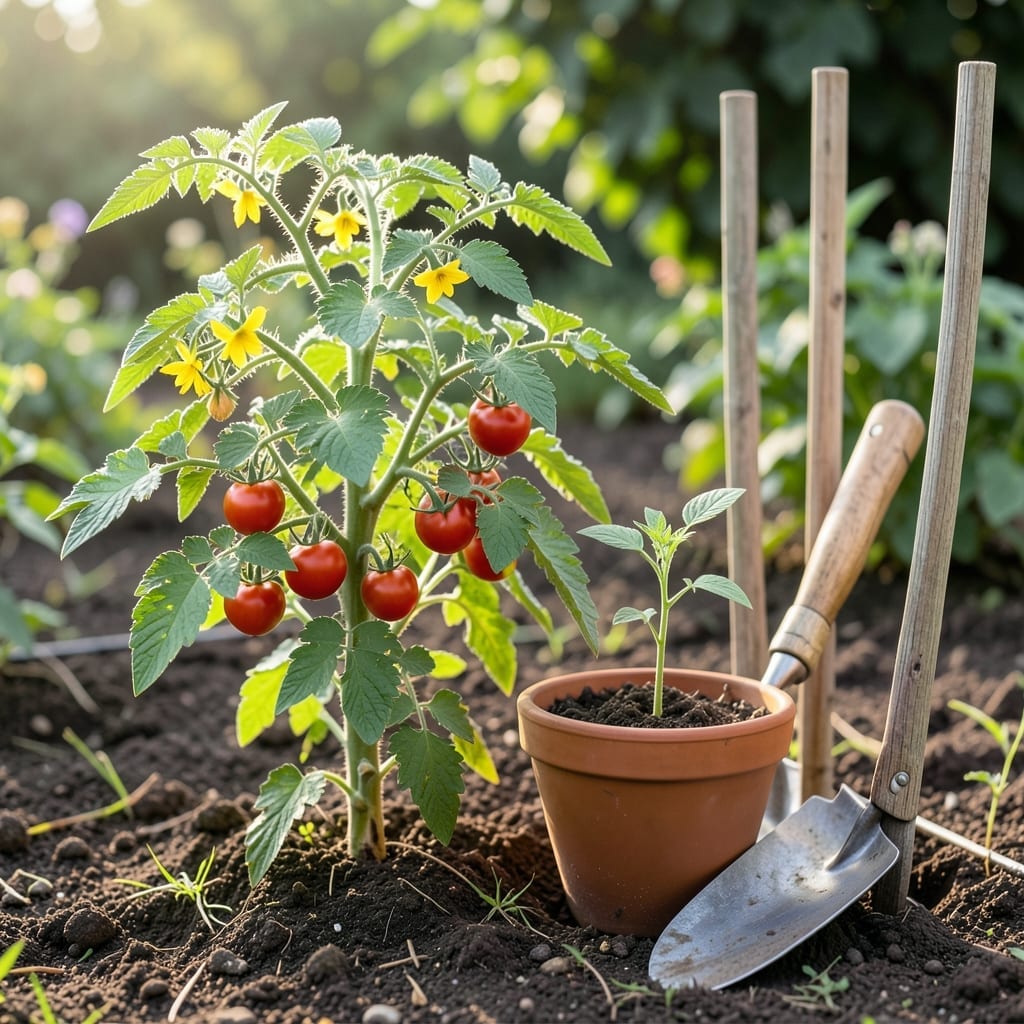
Transplant shock hits hard, but your tomato can bounce back. I’ve saved countless plants that looked hopeless after moving them to bigger pots or garden beds.
The first 48 hours are critical—roots need time to adjust. Most people overwater or fertilize too soon, which only makes things worse. Your plant isn’t dead, it’s just regrouping.
Within a week, you’ll see new growth if you get the basics right: steady moisture, gentle sunlight, and zero stress. I’ve had plants go from wilted to thriving in 10 days with this approach.
Works for seedlings, store-bought transplants, or garden-moved plants. Here’s how to get it growing again.
Transplanting can be a stressful event for tomato plants, and several factors can cause growth to stall afterward. Here are the most common reasons, explained with actionable insights:
When roots are disturbed during transplanting, they enter a recovery phase. The plant diverts energy to repair damaged roots instead of growing new foliage. Fine root hairs, which absorb water and nutrients, are often lost in the process, leading to temporary nutrient uptake issues. This is especially true if the plant was root-bound before transplanting.
Inconsistent moisture levels—either too much or too little—can shock the plant. Overwatering suffocates roots, reducing oxygen uptake, while underwatering prevents the plant from rehydrating after the move. Tomato roots need stable moisture to re-establish in the new soil environment.
Tomatoes are sensitive to temperature changes. If transplanted during a cold snap or heatwave, the plant may pause growth to conserve energy. Ideal soil temperature for root recovery is 60–85°F (15–29°C). Below this range, metabolic processes slow down significantly.
Freshly transplanted tomatoes may struggle if the new soil lacks essential nutrients (especially phosphorus and nitrogen) or if fertilizer was applied too heavily before transplanting. Salt buildup from synthetic fertilizers can also burn roots, halting growth.
If the new location receives less sunlight than the old one, the plant may stall as it adjusts. Tomatoes require 6–8 hours of direct sunlight daily for optimal growth. Shade or sudden light reduction can trigger a survival response, slowing development.
Transplant shock is common, but these targeted fixes will get your tomato plant back on track. Address the root cause first, then focus on recovery.
If roots were disturbed during transplanting, trim any broken or mushy roots with clean scissors. Replant in fresh, moist potting mix and avoid fertilizing for 5–7 days to prevent further stress. Prevention tip: Always water plants thoroughly a day before transplanting to keep roots intact. 💡
Under- or overwatering can stall growth. Check soil moisture daily—stick your finger 1 inch deep. If dry, water deeply until it drains from the bottom. Use a saucer to catch runoff and let the plant absorb it. Prevention tip: Mulch with straw to retain moisture and reduce evaporation. 🌡️
Too much direct sun can scorch recovering plants. Move your tomato to partial shade for 2–3 days, then slowly reintroduce full sun over a week. If leaves wilt or yellow, provide temporary shade with a cloth or umbrella. Prevention tip: Harden off seedlings for 7–10 days before transplanting outdoors. ✨
A weak, pale plant may need nutrients, but avoid strong fertilizers immediately after transplant. Instead, use a half-strength liquid fertilizer (like fish emulsion or compost tea) 7–10 days post-transplant. Prevention tip: Mix compost into the planting hole before transplanting for a nutrient-rich start. 🎯
Tomatoes hate cold or extreme heat. If nights drop below 50°F (10°C), cover plants with a cloche or row cover. For heatwaves, water in the early morning and use shade cloth. Prevention tip: Transplant on a cloudy, mild day to reduce stress. 🌡️
Most plants recover within 7-14 days with proper care. You’ll see new growth when roots re-establish. Keep conditions stable during this period.
Avoid fertilizers for 5-7 days to prevent burning tender roots. After that, use a half-strength liquid fertilizer to gently support recovery.
Wilting often signals water stress or root shock. Check soil moisture—water deeply if dry, or improve drainage if soggy. Shade can also help reduce stress.
No—repeated transplanting adds stress. Give it 2 weeks in the same spot with consistent care before considering another move. Patience is key.