
Beautiful Plants For Your Interior
Beautiful Plants For Your Interior
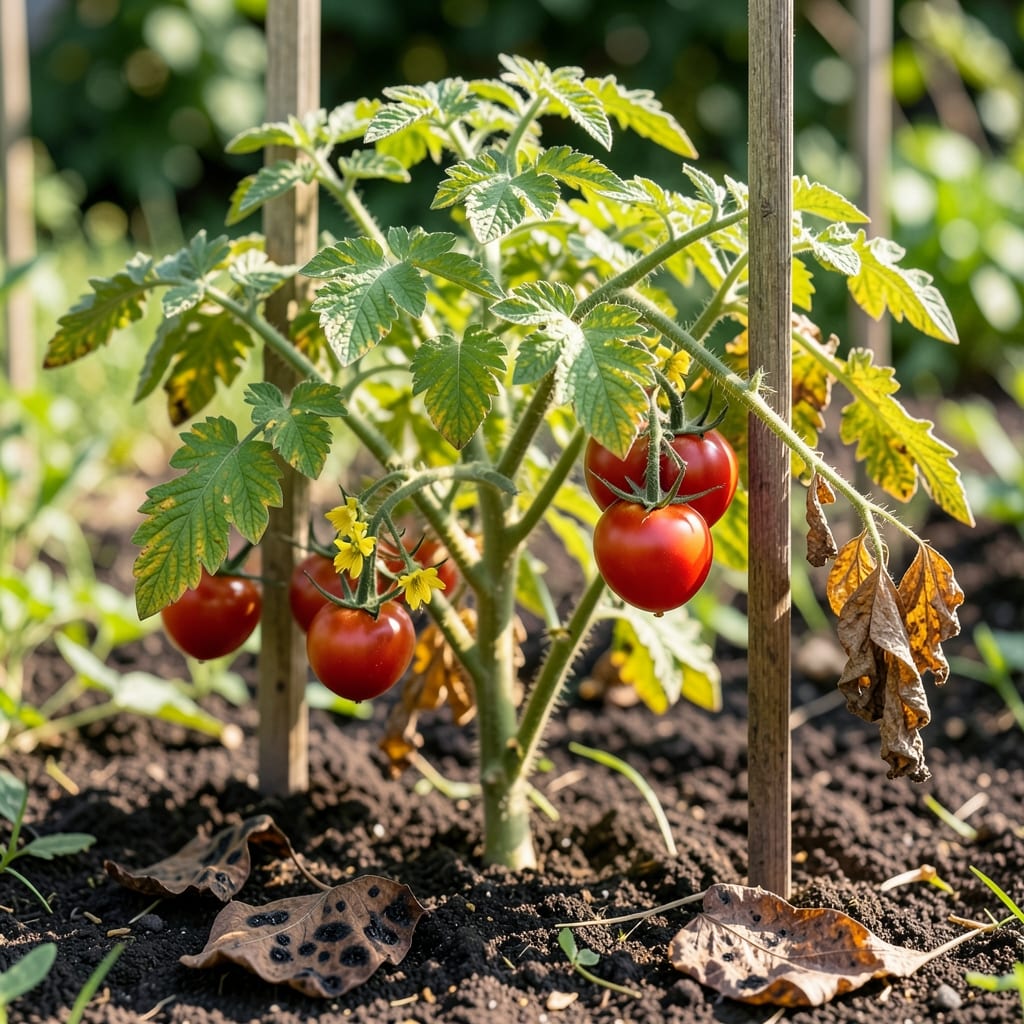
Nothing kills tomato momentum like rot creeping through your plants. I lost an entire crop to this last summer before figuring out the early warning signs.
It starts with wilting leaves, then brown spots, then a foul smell from the base. The culprits are usually overwatering, poor drainage, or fungal infections that thrive in damp conditions.
You can stop the spread with immediate action—remove affected plants, improve airflow, and adjust your watering routine. Copper fungicides work well for organic control.
Prevention is simpler: space plants properly, water at the base, and rotate crops yearly. Your tomatoes will thank you with a healthier harvest.
Tomato plant rot doesn’t happen by accident—it’s usually the result of a few key environmental or biological triggers. Understanding these causes is the first step to preventing them. Below are the most common culprits behind this frustrating issue.
Excess moisture is a primary cause of rot in tomato plants. When soil stays soggy, it suffocates the roots, preventing them from absorbing oxygen. This creates the perfect breeding ground for Phytophthora and Fusarium fungi, which thrive in waterlogged conditions. Poor drainage—whether from compacted soil or inadequate containers—exacerbates the problem by trapping water around the roots.
Several soil-borne fungi, such as Phytophthora infestans (late blight) and Fusarium oxysporum, directly attack tomato roots and stems, leading to rot. These pathogens can lie dormant in the soil for years, activating when conditions—like high humidity or warmth—become favorable. Infected soil or contaminated tools can also spread these fungi to healthy plants.
Tomatoes love warmth, but high humidity without proper airflow is a recipe for disaster. Stagnant, moist air encourages the growth of fungal spores, which can settle on leaves and stems, eventually causing rot. Crowded plantings or dense foliage that blocks airflow make the problem worse by trapping moisture against the plant.
Wounds from improper pruning, hail, or even rough handling can create entry points for rot-causing pathogens. Open cuts on stems or leaves allow fungi and bacteria to invade, leading to localized or systemic rot. Always use clean, sharp tools and prune strategically to minimize damage.
Tomato plant rot can feel like a crisis, but with the right steps, you can stop it in its tracks. Below are targeted fixes for the most common causes, plus prevention tips to keep your plants thriving. 🌱
Prevention tip 💡: Rotate crops yearly and avoid overhead watering. Water at the base in the morning so foliage dries quickly.
Prevention tip 🌡️: Use a moisture meter to avoid guesswork. Aim for consistent, moderate moisture—not soggy soil.
Prevention tip ✨: Avoid working with wet plants, as bacteria enter through wounds. Prune only in dry weather.
Prevention tip 🎯: Test your soil before planting. Aim for a pH of 6.0–6.8 for optimal nutrient absorption.
Watch for wilting leaves, brown spots on stems, or a foul smell from the base. Early detection is key to preventing spread.
Yes, soggy soil suffocates roots and invites fungal growth. Always check soil moisture before watering again.
Rotate crops, improve drainage, and space plants for airflow. Remove and destroy infected plants to stop recurrence.
Copper fungicides or neem oil sprays work well organically. Apply after rain for best results.