
Beautiful Plants For Your Interior
Beautiful Plants For Your Interior
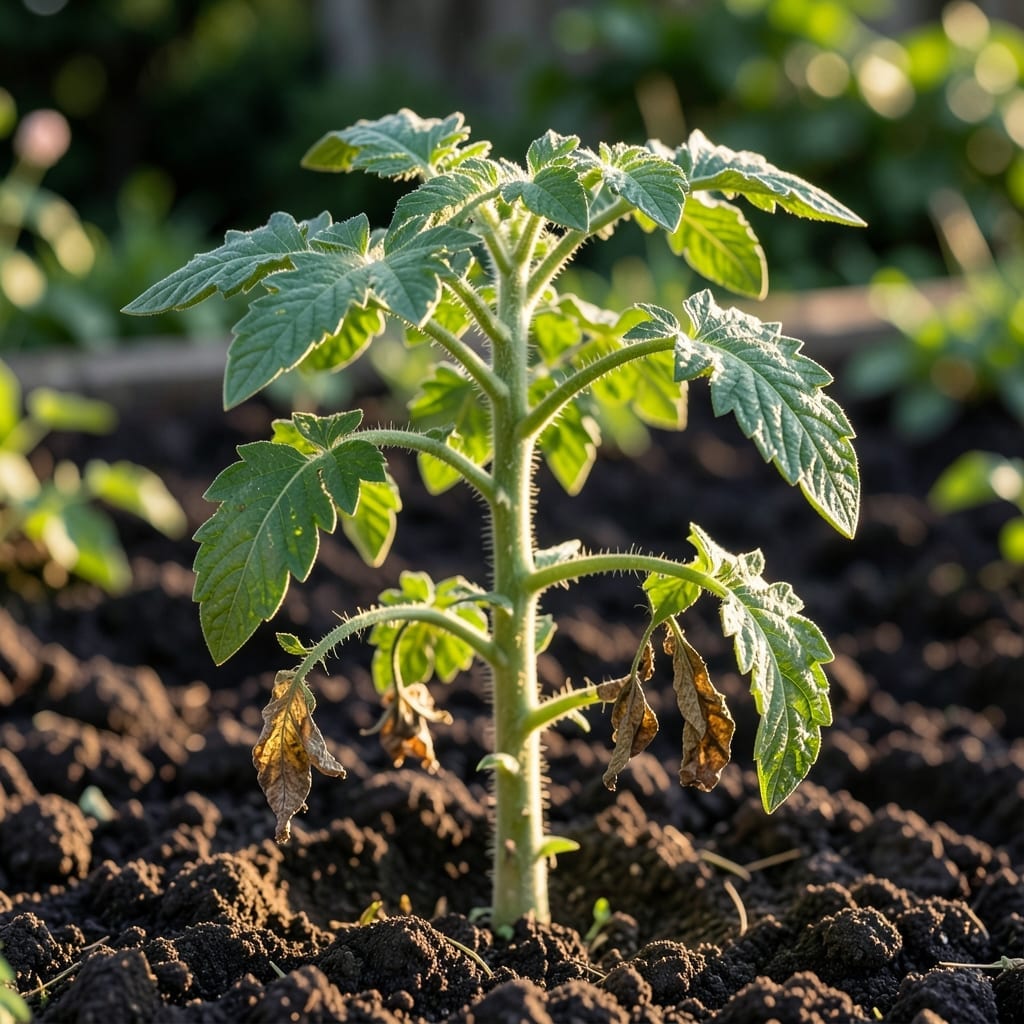
Drooping tomato leaves hit me like a gut punch last July. I’d been watering on autopilot until I noticed the telltale sag—then panic set in.
Turns out wilting is your plant’s SOS flare. Could be underwatering, overwatering, or something nastier like Fusarium. Each cause leaves a distinct fingerprint on the leaves if you know where to look.
Most fixes take 24-48 hours to show improvement. I saved half my crop that season just by adjusting my watering routine and checking the soil moisture at dawn.
Early detection is everything. Here’s how to read the signs before your entire plant gives up.
Tomato leaves wilt for several well-defined reasons, each tied to environmental stress, disease, or cultural mismanagement. Understanding the root cause is key to reviving your plants.
High temperatures above 90°F (32°C) trigger rapid water loss through transpiration, outpacing root uptake. Without consistent moisture, leaf turgor pressure drops, causing wilting. Conversely, overwatering suffocates roots, blocking water absorption. Check soil moisture 2 inches deep—dryness or sogginess confirms the issue.
Fusarium and Verticillium wilt are soil-borne fungi that clog vascular tissues, starving leaves of water. Look for yellowing between veins or brown streaks in stems. Bacterial wilt (Ralstonia solanacearum) causes sudden collapse, often with a milky ooze when stems are cut.
Sap-sucking pests like aphids, whiteflies, or spider mites pierce leaf cells, draining fluids and introducing toxins. Severe infestations lead to curled, wilted foliage. Inspect leaf undersides for clusters or webbing.
Damaged or underdeveloped roots (from transplant shock or compaction) can’t supply water efficiently. Nutrient deficiencies, particularly calcium or magnesium, may also cause wilting by disrupting cellular function. Test soil pH (6.0–6.8 ideal) and amend as needed.
Wilting tomato leaves can often be revived with the right approach. Below are targeted solutions for common causes, along with prevention tips to keep your plants thriving.
Check the soil 1–2 inches deep. If it’s dry, water deeply until the top 6 inches are moist. If soggy, hold off on watering and improve drainage by mixing in compost or sand. For potted plants, ensure the container has drainage holes.
Prevention: Water consistently—about 1–2 inches per week—and use a moisture meter to avoid guesswork. 💡 Mulch around the base to retain moisture evenly.
Inspect leaves for aphids, whiteflies, or spider mites. Blast them off with a strong stream of water, or apply neem oil or insecticidal soap. For severe cases, remove heavily infested leaves.
Prevention: Encourage beneficial insects like ladybugs, and rotate crops annually to disrupt pest cycles. ✨
Remove wilted or spotted leaves immediately to prevent spread. For fungal issues, apply a copper-based fungicide. Bacterial wilts may require removing the entire plant to protect others.
Prevention: Avoid overhead watering, space plants for airflow, and disinfect tools between uses. 🎯
Yellowing leaves often signal a lack of nitrogen or potassium. Fertilize with a balanced 10-10-10 formula or a tomato-specific feed. For organic options, work in compost or worm castings.
Prevention: Test soil annually and amending it before planting. Avoid over-fertilizing, which can burn roots. 🌿
If wilting occurs during peak heat, erect shade cloth (30–50% coverage) or move potted plants to a cooler spot. Ensure plants receive morning sun but afternoon relief.
Prevention: Plant heat-tolerant varieties and keep soil mulched to regulate temperature. ⏰
Healthy plants often perk up within 2-6 hours after proper watering if the issue was underwatering. If wilting persists after 24 hours, investigate other causes like disease or pests.
Yes, too much fertilizer creates salt buildup that draws water away from roots. This can lead to wilting even in moist soil. Always follow package instructions and test soil before adding nutrients.
Inspect plants in the early morning when they’re most hydrated. If leaves appear wilted then, it’s a true sign of distress rather than temporary heat stress from midday sun.
It can if caused by contagious issues like fungal diseases or pests. Isolate affected plants immediately and disinfect tools after use. Healthy plants shouldn’t be affected by environmental stress causes.