
Beautiful Plants For Your Interior
Beautiful Plants For Your Interior
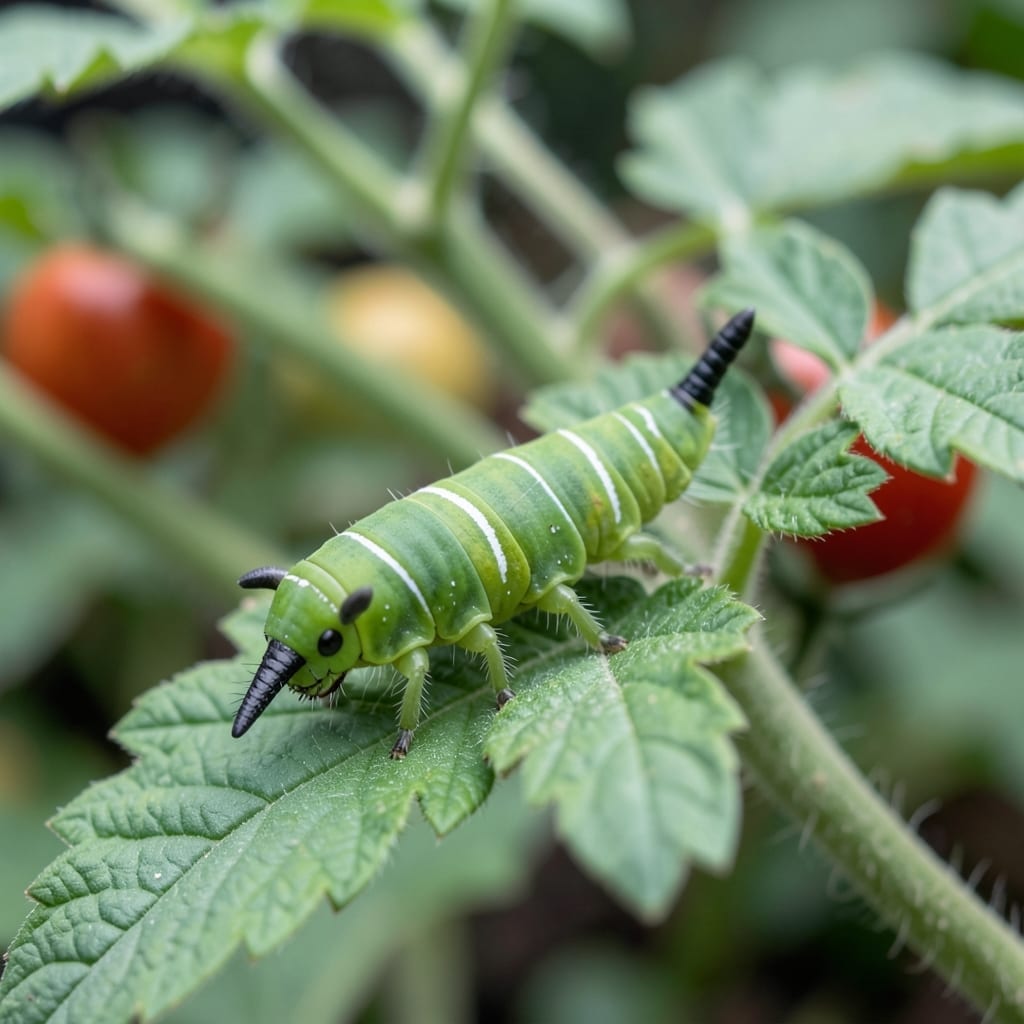
I spotted my first tomato hornworm last July—4 inches of green terror munching through my best plants overnight. These caterpillars can strip a tomato plant bare in days, leaving nothing but stems and frustration.
Here’s the thing—they’re not just hungry, they’re stealthy. Their color blends perfectly with foliage, and their damage appears suddenly. I’ve lost entire crops before realizing what was happening.
There are safe ways to handle this without resorting to harsh chemicals. The organic methods work just as well, and they protect your garden’s ecosystem while solving the problem.
You’ll learn to spot them early, remove them effectively, and keep them from coming back. No more waking up to decimated plants.
The presence of tomato hornworm poison in your garden often stems from a few key biological and environmental factors. Understanding these causes helps you address the issue effectively.
Tomato plants, like other nightshades, produce alkaloids (e.g., tomatine) as a defense mechanism. When hornworms consume large quantities of leaves or fruit, these compounds accumulate in their bodies. While not inherently deadly to the worms, they can make the insects toxic if ingested by predators—or humans—who handle or consume them improperly.
Chemical pesticides (e.g., neonicotinoids or pyrethroids) used to control hornworms can linger on foliage. If the worms feed on treated plants, the toxins accumulate in their tissues. This bioaccumulation turns the hornworms themselves into carriers of poison, posing risks to birds, pets, or people who encounter them.
Even organic sprays like Bt (Bacillus thuringiensis) or spinosad can contribute to toxicity. While these are safer than synthetic chemicals, improper application (e.g., overuse or direct contact with edible parts) may leave residues. Hornworms feeding on sprayed plants can absorb these compounds, making them unsafe to handle without protection.
To minimize risks, always wash produce thoroughly and use targeted, organic removal methods like handpicking or natural predators (e.g., parasitic wasps).
Dealing with tomato hornworms and their potential toxicity can feel overwhelming, but these targeted solutions will help you reclaim your garden safely and effectively.
If you spot hornworms on your tomato plants, the simplest fix is to handpick them off. Wear gloves to avoid direct contact with their natural toxins, then drop them into a bucket of soapy water. This method is immediate and chemical-free.
Prevention tip: 💡 Inspect plants daily, especially under leaves, to catch hornworms early before they multiply.
Attract birds, parasitic wasps, and other natural predators by planting companion flowers like marigolds or dill. These beneficial insects and animals will help keep hornworm populations in check.
Prevention tip: 🌡️ Avoid broad-spectrum pesticides, which can harm the predators that naturally control hornworms.
Use neem oil or Bacillus thuringiensis (Bt) sprays to target hornworms without introducing harsh chemicals. Apply in the early morning or late evening for best results, as these solutions break down in direct sunlight.
Prevention tip: ✨ Rotate sprays weekly to prevent hornworms from developing resistance.
After harvest, remove all plant debris to eliminate overwintering pupae. Rotate crops yearly to disrupt the hornworm life cycle and reduce future infestations.
Prevention tip: 🎯 Till the soil in fall and spring to expose and destroy pupae buried underground.
It’s best to wear gloves when handling them. Their bodies may contain plant toxins or pesticide residues that can irritate skin. Always wash hands thoroughly afterward.
Yes, if pets eat them. The worms can carry plant alkaloids or pesticide residues that may cause vomiting or worse. Keep pets away from infested plants.
Handpick wearing gloves and drop them into soapy water. This avoids chemicals entirely and is immediately effective. Inspect plants daily for best results.
Predators help control populations but won’t erase them entirely. Combine natural methods with manual removal for best protection of your plants.