
Beautiful Plants For Your Interior
Beautiful Plants For Your Interior
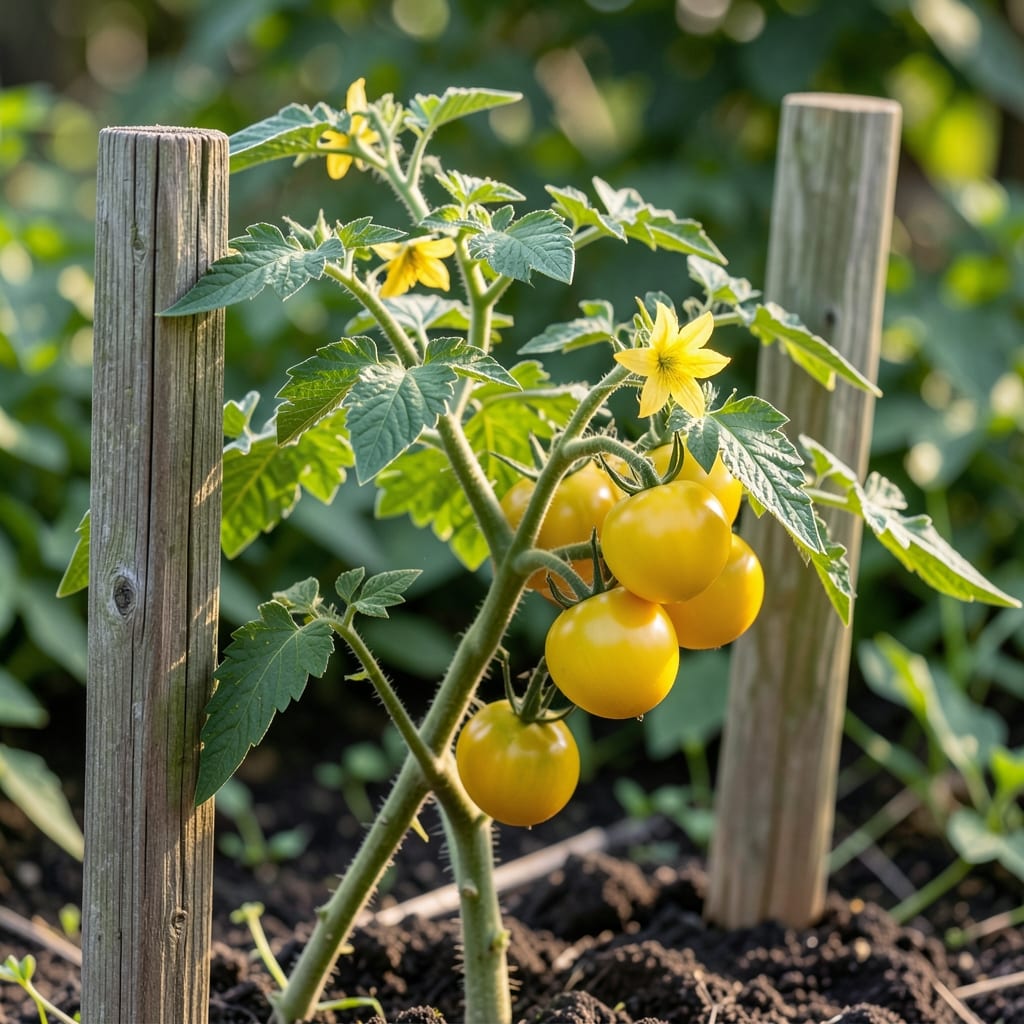
This heirloom changed my summer meals forever. Brandywine Yellow delivers that old-fashioned tomato taste you remember from childhood—sweet, rich, and perfectly balanced.
It needs full sun, consistent watering, and well-draining soil to thrive. The plants grow tall, so give them room or a sturdy trellis. You’ll harvest 1-2 lb fruits that make every bite worth the wait.
📚 In This Guide
Here’s the foolproof method I use to grow these heirlooms with robust vines and abundant fruit.
Choose a location with full sun exposure, as Brandywine Yellow tomatoes require a minimum of 8 hours of direct sunlight daily for optimal growth and fruit production. The soil should be well-draining and rich in organic matter, so I always amend the bed with 2-3 inches of compost worked into the top 6-8 inches of soil.
Test the soil pH—it should fall between 6.0 and 6.8 for ideal nutrient uptake. If your soil is too acidic, add lime to raise the pH; if it’s too alkaline, incorporate sulfur. Avoid low-lying areas where water pools, as soggy roots invite disease and stunt growth.
Set seedlings into the soil at a depth of 12-18 inches apart in rows spaced 3-4 feet apart. I plant them deeper than their container depth, burying up to the first set of true leaves. This encourages additional root growth along the buried stem, creating a sturdier plant.
Water each seedling in thoroughly with 1-2 gallons of water to eliminate air pockets and help the roots establish contact with the soil. A deep watering at planting ensures the root ball stays moist during the critical first week of transition.
Install a sturdy support system immediately after planting—5-6 foot tall cages or trellises work best for these indeterminate vines. I secure the main stem to the support with soft plant ties, allowing room for expansion as the vine thickens. Without support, the sprawling vines will lie on the ground, increasing disease risk and reducing air circulation.
Begin pruning suckers—the small shoots that emerge in the crotch between the main stem and branches—when they reach 2-3 inches long. Removing these directs the plant’s energy toward fruit production rather than excessive foliage. Always prune in the morning so wounds dry quickly, reducing infection risk.
Water deeply 2-3 times per week, delivering 1-2 inches of water each time to encourage deep root development. The soil should feel moist at a depth of 1 inch but never waterlogged. I use a drip irrigation system to keep foliage dry, which prevents fungal diseases like early blight.
Apply a balanced, water-soluble fertilizer every 10-14 days once the first fruit sets. Switch to a low-nitrogen, high-phosphorus formula as the plants transition to fruiting to promote flower and fruit development rather than leafy growth. Yellowing lower leaves often signal a nitrogen deficiency, while blossom end rot indicates a calcium shortage.
Brandywine Yellow tomatoes mature in 80-90 days from transplanting. Harvest when the fruit turns a deep, golden-yellow and feels slightly soft to gentle pressure. I pick them in the morning when temperatures are cool to preserve flavor and reduce stress on the plant.
Use pruning shears or twist the fruit gently until it separates from the vine. Never pull the tomato, as this can damage the plant. Store harvested fruit at room temperature, not in the refrigerator, as cold temperatures dull their rich, heirloom flavor. Expect each plant to yield 5-8 pounds of fruit through the season with proper care.
Small adjustments in your approach can make a big difference in your harvest success.
Sunlight Essentials: Those 8 hours of direct sunlight in Step 1 aren’t just a suggestion—they’re critical. I learned this the hard way when my first few plants produced sparse, underripe fruit. A south-facing spot with minimal shade works best, and if your garden doesn’t get full sun, consider container growing where you can move pots to chase the light.
The Depth Advantage: In Step 2, planting seedlings deeper than their container depth with that first set of true leaves buried isn’t just tradition—it’s science. This technique encourages additional root growth along the stem, which means a more drought-resistant plant. I’ve seen the difference in my own garden during dry spells.
Pruning Timing: Step 3 mentions pruning suckers at 2-3 inches, and here’s what nobody tells you—doing this in the morning is non-negotiable. The wounds dry faster in cooler, less humid conditions, which dramatically reduces the risk of fungal infections. Trust me on this.
Moisture Consistency: For the 2-3 times per week watering in Step 4, consistency beats frequency. These plants hate rollercoaster moisture levels. I use the finger test: if the top inch of soil feels dry, it’s time to water deeply. And that drip irrigation system mentioned? It’s worth the investment for preventing leaf diseases.
Brandywine Yellow tomatoes typically take 80-90 days from transplanting to mature. Their slow growth is worth the wait—expect rich, sweet flavors at full ripeness, usually in mid-to-late summer.
No, these heirlooms are not bred for disease resistance. They’re prone to common issues like blight and wilt. Use preventative measures like crop rotation, proper spacing, and fungicides to protect your plants.
Their large, vining growth needs sturdy support. Use tall cages, stakes, or trellises to keep plants upright and improve air circulation, reducing disease risk and making harvesting easier.
Yes, but choose a large container (at least 5 gallons) with good drainage. Ensure it gets full sun and consistent watering, as container plants dry out faster than those in the ground.