
Beautiful Plants For Your Interior
Beautiful Plants For Your Interior
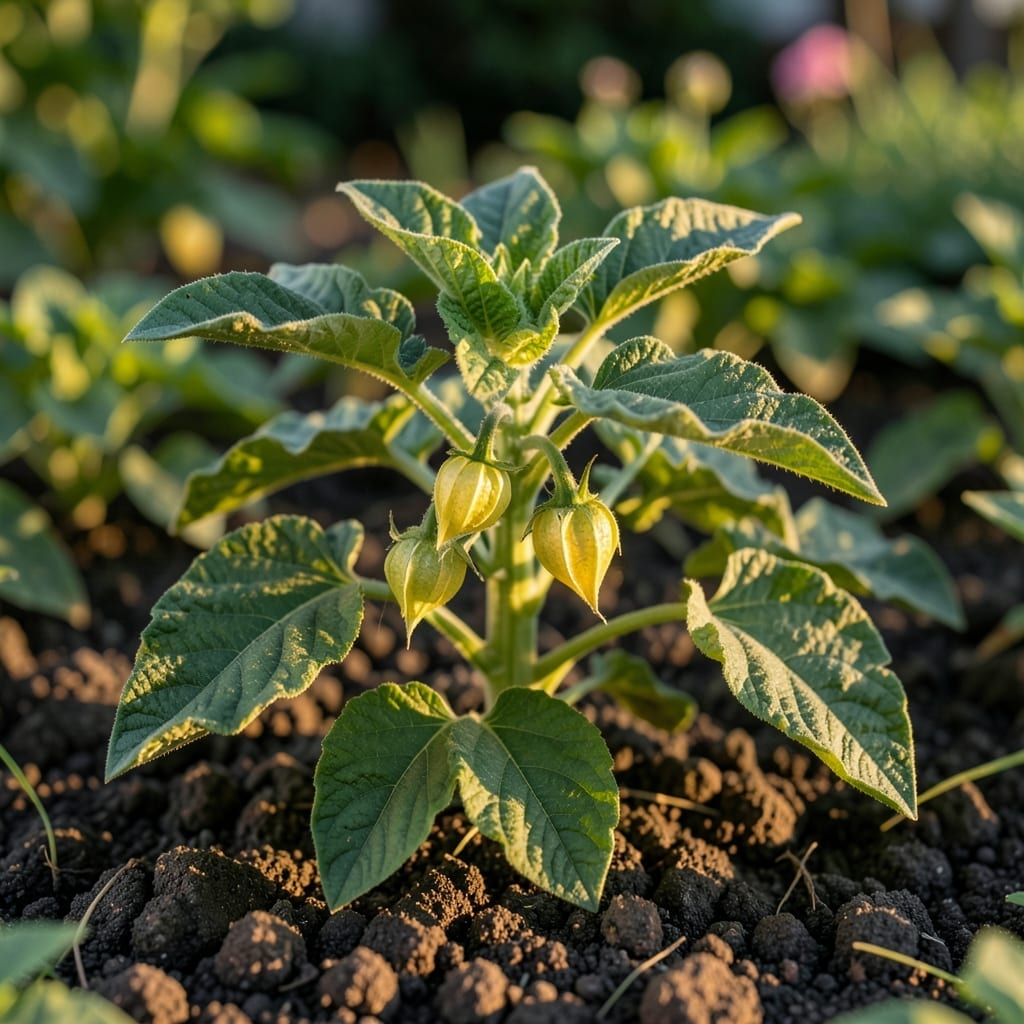
Watching tomatillo leaves curl up is like getting a warning light on your dashboard. I’ve seen this happen mid-season when everything else looks fine, and it’s always a sign something’s off.
Between you and me, most cases come down to underwatering, overwatering, or a pest you can’t see yet. The leaves tighten into little tubes, edges crisp up, or the whole plant starts looking stressed.
Fix the watering first—1 inch per week is the sweet spot. Then check for aphids or whiteflies hiding underneath. Catching it early means the difference between salvaging the crop and losing it.
Prevention is simple once you know the triggers. Keep the soil consistently moist, not soggy, and inspect leaves weekly. That’s it.
Tomatillo leaves curling is often a sign of underlying stress, and several factors can trigger this issue. Below are the most common causes, each with a clear explanation to help you diagnose the problem.
When temperatures rise above 90°F (32°C), tomatillo plants may curl their leaves to reduce surface area and minimize water loss. This is a natural survival mechanism, but prolonged heat can weaken the plant. Ensure adequate shading and consistent watering during heatwaves.
Inconsistent moisture levels disrupt the plant’s ability to absorb nutrients. Underwatering causes leaves to curl inward to conserve water, while overwatering leads to root rot, which restricts water uptake. Aim for 1–2 inches of water per week, adjusting for rainfall and soil drainage.
Aphids, whiteflies, and spider mites suck sap from leaves, causing dehydration and curling. Check the undersides of leaves for tiny insects or webbing. Treat with neem oil or insecticidal soap at the first sign of an infestation.
Fungal pathogens like Alternaria or Septoria can cause leaf curling alongside spots or yellowing. These thrive in humid conditions and poor air circulation. Remove infected leaves and apply a copper-based fungicide to prevent spread.
A lack of magnesium, calcium, or potassium can lead to curled or distorted leaves. Test your soil and amend with Epsom salt (for magnesium) or a balanced fertilizer to restore nutrient levels.
Dealing with curling tomatillo leaves can be frustrating, but the right fixes can bring your plants back to health. Below are targeted solutions for the most common causes, along with prevention tips to keep your garden thriving.
Fix: Check the soil moisture by inserting your finger 1-2 inches deep. If it feels dry, water deeply at the base to encourage strong roots. If the soil is soggy, let it dry out before watering again. Ensure your pots or garden beds have good drainage to prevent waterlogging.
Prevention: Use a moisture meter or water on a consistent schedule—early morning is best. Mulch around plants to retain moisture evenly.
Fix: For aphids or whiteflies, spray leaves with a mix of water and insecticidal soap (1 tsp soap per quart of water). For severe cases, introduce beneficial insects like ladybugs. Remove heavily infested leaves to stop the spread.
Prevention: Inspect plants weekly and keep the garden weed-free to reduce pest habitats. Companion planting with marigolds or basil can deter pests naturally.
Fix: If heat or wind is causing stress, provide shade cloth during peak afternoon hours or move potted plants to a sheltered spot. For cold stress, use row covers to protect plants overnight.
Prevention: Plant tomatillos in a location with partial shade and consistent airflow. Avoid placing them near heat-reflecting surfaces like concrete.
Fix: Test your soil for deficiencies. If nitrogen is lacking, apply a balanced fertilizer (10-10-10). For magnesium deficiency (yellowing between leaf veins), use Epsom salt spray (1 tbsp per gallon of water) every 2 weeks.
Prevention: Enrich soil with compost before planting and reapply mid-season. Rotate crops annually to prevent nutrient depletion.
Fix: For fungal issues like leaf curl virus, remove infected leaves immediately and avoid overhead watering. Apply a copper-based fungicide as directed. For bacterial infections, prune affected areas and disinfect tools with rubbing alcohol.
Prevention: Space plants properly for airflow, and water at the base to keep leaves dry. Remove plant debris after harvest to reduce disease carryover.
With these fixes and a little vigilance, your tomatillo plants will be back to their vibrant, productive selves in no time! 💡
Check the soil 1-2 inches deep—if it’s bone dry, that’s your sign. Leaves will also feel crispy or brittle. Water deeply at the base and monitor for improvement within 24-48 hours.
Aphids, whiteflies, and spider mites are the usual culprits. Look for tiny bugs or webbing under leaves. Treat with neem oil or insecticidal soap immediately to prevent further damage.
Yes, temperatures above 90°F can stress the plant. Provide afternoon shade with a shade cloth or move potted plants to a cooler spot. Consistent watering helps mitigate heat stress.
Not always—mild cases from temporary stress often resolve with proper care. However, if curling spreads or leaves turn yellow/brown, act quickly to identify and treat the underlying cause.